
Mobile Casino Phone Credit Deposits — Which UK Sites Work in 2026, What They Cost, and How to Actually Use Them
 Available in GB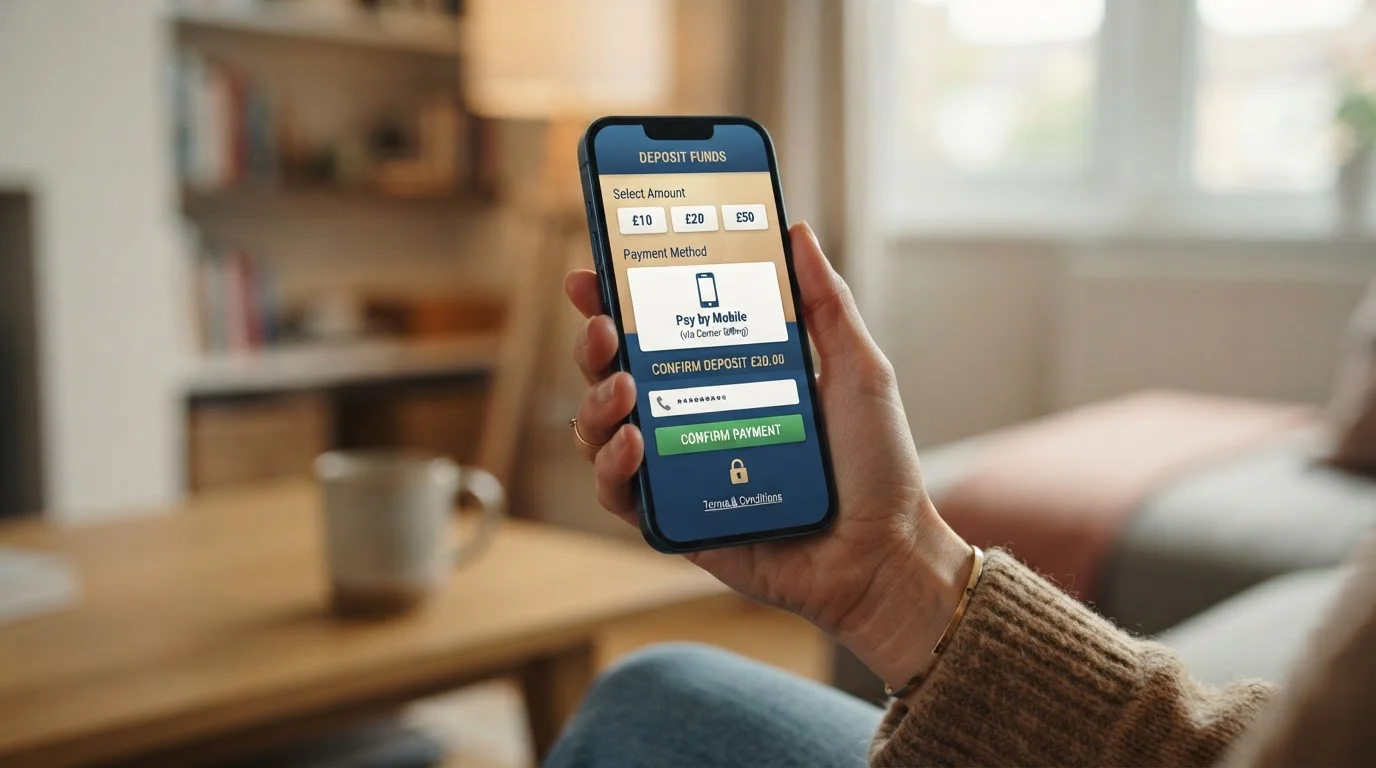
Phone credit deposits sound convenient. Tap a few buttons, confirm via SMS, and your casino balance updates in seconds — no bank details, no card numbers, just your mobile doing the work. The promise is frictionless gambling on the move.
Reality comes with caveats. Transaction caps sit at £30-40 per deposit due to Phone-paid Services Authority rules. Monthly spending maxes out at £240-250 across all phone-billed casinos combined. Withdrawals cannot return to your phone bill, forcing you to set up a bank transfer or e-wallet before you cash out. Carrier fees of 15p-30p per transaction eat into smaller deposits, though a handful of operators waive this entirely.
Yet for quick top-ups on a night out, avoiding the temptation of loading hundreds via card, or keeping casino spending strictly capped, phone credit fills a genuine niche. The method works best when you understand what it is — a deposit-only, low-ceiling convenience tool, not a full-service payment solution.
This guide maps which UK Gambling Commission-licensed mobile casinos accept phone credit in 2026, how Boku and its competitors actually process your deposit, what the regulatory caps mean in practice, and when you should choose a different payment method instead.
Best UK Mobile Casinos That Accept Phone Credit in 2026
Seven UKGC-licensed operators stand out for transparent phone billing, verifiable licensing, and distinct offerings. Three share the same operator licence and waive deposit fees entirely. Two focus on fast payouts. One built its reputation on zero-wagering transparency. The seventh targets slots players specifically.
| Casino | UKGC Licence | Phone Provider | Deposit Fee | Transaction Limit | Withdrawal Time |
|---|---|---|---|---|---|
| IvyCasino | UKGC-licensed (Betable) | Boku | £0 | £30 | 1-3 days (bank), 1-24h (e-wallet) |
| Oreels | UKGC-licensed (Betable) | Boku, Fonix | £0 | £30 | Under 4 hours average |
| Bet442 | UKGC-licensed (Betable) | Boku | £0 | £30 | 1-3 days (bank), 1-24h (e-wallet) |
| Duelz | UKGC-licensed (SuprPlay) | Boku | 15p-30p | £30 | 1-3 hours (e-wallet) |
| PlayOJO | UKGC-licensed | Boku | 15p-30p | £30 | 1-24 hours (e-wallet) |
| Casino Kings | UKGC-licensed | Boku | 15p-30p | £30 | 1-3 days standard |
| Crystal Slots | UKGC-licensed | Boku | 15p-30p | £30 | 1-3 days standard |
All limits shown are per-transaction caps set by PSA rules, not casino policies. Monthly aggregate caps apply separately.
IvyCasino
IvyCasino operates under Betable Limited (UKGC-licensed; verify on the public register at gamblingcommission.gov.uk) and distinguishes itself with zero deposit fees on Boku phone billing. Deposit £10 via phone credit, and £10 lands in your casino balance — no carrier deduction, no hidden admin charge. This is rare. Most UK operators pass the 15p-30p carrier fee to players or absorb it into tighter bonus terms.
The welcome offer matches your first deposit 100 percent up to £50, requiring a minimum £20 deposit and carrying wagering that, under UKGC rules since 19 January 2026, cannot exceed 10x — check the current T&Cs for the exact multiplier before you opt in. Slots count fully toward rollover. Table games and live casino contribute 10 percent or nothing, depending on the title. The bonus expires seven days after activation.
Payment options beyond phone billing include Visa Debit, Mastercard Debit, instant bank transfers, and e-wallets like Skrill and Neteller. Withdrawals to e-wallets process within 24 hours on average. Bank transfers take one to three business days. Phone deposits cap at £30 per transaction and £240 monthly due to PSA limits, but switching to card or e-wallet removes these ceilings if you need to deposit larger amounts later.
The games library focuses on slots from Pragmatic Play, NetEnt, and Blueprint Gaming, with live dealer tables from Evolution Gaming. Mobile optimisation prioritises touch navigation and portrait-mode layouts over desktop-first interfaces, aligning with the phone-billing positioning.
IvyCasino shares infrastructure and licensing with Oreels and Bet442, all three running under the same Betable Limited licence. This is not a white-label reskin — Betable owns and operates all three properties directly.
Which UK casinos charge no fees for phone credit deposits?
Only three: IvyCasino, Oreels, and Bet442, all operating under Betable Limited (UKGC-licensed; verify on the public register at gamblingcommission.gov.uk). Deposit £10 by Boku at any of them and the full £10 reaches your balance. Standard carrier fees of 15p-30p per transaction apply everywhere else in the UK market.
Oreels
Oreels (stylised O’Reels, a nod to Irish-themed slots) runs under the same Betable Limited licence as IvyCasino. Zero fees on phone deposits via Boku and Fonix remain the headline feature. Deposit £10, receive £10. No deductions.
The welcome package differs: 100 percent match up to £25 on your first deposit (£20 minimum), plus 20 free spins on Big Bass Splash unlocked after you deposit £20 and wager it once. Free-spin winnings carry zero wagering requirements. The deposit match itself carries rollover, capped at 10x under the UKGC rules in force since January 2026.
Withdrawal speed edges ahead of Oreels’ sister sites. Betable Limited reports sub-four-hour average processing times for e-wallet cashouts. That is quick by UK standards — many operators take 24-48 hours even for e-wallets.
The game catalogue of around 2,000 titles includes dedicated Irish Slots and Megaways categories. Providers include Pragmatic Play, Blueprint Gaming, Eyecon, and Big Time Gaming. Live casino runs on Evolution and Pragmatic Live platforms. Mobile experience prioritises iOS and Android browser play over native apps, which Betable does not publish.
Bet442
Bet442 completes the Betable Limited trio. Same UKGC-licensed operator. Same zero-fee Boku deposits. Same £30 per-transaction and £240 monthly PSA caps. The differentiation here is minimal — Bet442 serves as a third brand under the Betable umbrella, targeting players who prefer a more subdued visual identity compared to the brighter IvyCasino or Irish-themed Oreels.
A £10 phone-credit deposit lands as the full £10 in your casino balance, with no carrier deduction. That matters because some operators advertise “pay by mobile” but apply processing fees buried in terms and conditions.
Withdrawal processing mirrors IvyCasino: one to three days for bank transfers, under 24 hours for e-wallets. Bet442 does not publish the sub-four-hour average that Oreels markets, suggesting standard rather than expedited processing.
The slots library overlaps heavily with IvyCasino and Oreels but skews toward higher-volatility titles and Megaways mechanics. Live casino offerings match the Betable standard (Evolution Gaming, Pragmatic Live).
Duelz
Duelz operates under SuprPlay Limited (UKGC-licensed; verify on the public register at gamblingcommission.gov.uk) and leads the UK market in free spins generosity: 140 spins on Book of Dead, drip-fed as 20 per day over seven days. The minimum deposit requirement is £25, which sits at the upper end for UK welcome offers but aligns with the higher-value bonus.
Payout speed competes with Oreels. E-wallet withdrawals process in one to three hours according to SuprPlay documentation and player reports. Bank transfers take the standard three to five days. Debit card cashouts run five to seven days.
The 10 percent weekly cashback offer carries zero wagering. Deposit and lose £200 in a week, and £20 returns to your balance as withdrawable cash, not locked bonus funds. This transparency contrasts with the industry norm of tiered VIP cashback schemes that require tens of thousands in monthly wagers to unlock meaningful rates.
Boku powers the phone billing. Standard carrier fees of 15p-30p apply — Duelz does not waive these. Deposit £10 via phone credit, and £9.70-£9.85 hits your balance after the mobile network takes its cut. The £25 minimum deposit for the welcome bonus means you need to make at least one £25 phone-billed transaction or combine smaller deposits, though the per-transaction PSA cap sits at £30-40 depending on your network and account verification status.
Duelz launched in 2018 and won an innovation award the same year for its fantasy-themed gamification layer, which adds XP-style progression and loot-box reward mechanics atop standard casino gameplay. This polarises players — some appreciate the extra engagement loop, others find it distracting.
PlayOJO
PlayOJO built its UK market position on a single promise: zero wagering on every bonus, every free spin, every promotional offer. The OJOplus cashback system returns a percentage of every bet as real money, not bonus funds. Win or lose, the cashback accrues and withdraws without rollover.
Phone billing works via Boku with standard carrier fees. Deposit £20, and roughly £19.70-£19.85 credits to your balance after the network deducts its share. PlayOJO does not publish a welcome bonus tied to minimum deposits, instead offering 50 free spins on Big Bass Bonanza with zero wagering on first deposit of £10 or more. Spin winnings land as cash.
The casino publishes detailed player education content, including a breakdown of pay-by-mobile mechanics on its official blog. This transparency extends to its licence display (UKGC number visible in site footer), payout percentages published monthly, and real-time notifications of withdrawal processing stages.
Google Pay, Apple Pay, and Trustly instant bank transfers complement phone billing for players who exceed PSA caps or prefer higher deposit ceilings. Withdrawals to e-wallets process within 24 hours. Bank transfers take two to four days.
PlayOJO’s game library runs to several thousand titles, sourcing from Microgaming, NetEnt, Play’n GO, Pragmatic Play, and over 40 other providers. Live casino runs on Evolution, NetEnt Live, and Authentic Gaming platforms. The mobile site supports iOS Safari and Android Chrome without requiring app downloads.
Casino Kings
Casino Kings is one of the better-known pay-by-phone brands among mainstream UK players, with phone billing built into the cashier rather than bolted on. The operator does not show its licence number in our table, so check it in the site footer and confirm it on the Gambling Commission public register before you deposit.
Boku powers deposits with standard carrier fees. The £30 per-transaction PSA cap applies. Monthly phone-billing aggregate sits at £240-250 depending on your mobile network’s interpretation of PSA rules.
The casino focuses on slots and live dealer games with a streamlined interface targeting mobile-first players. Withdrawal processing follows industry-standard timelines: one to three days for most methods.
Crystal Slots
Crystal Slots targets the slots-focused segment with over 1,000 titles from NetEnt, Playson, and Pragmatic Play. The multi-vertical approach includes scratch cards and bingo, differentiating it from casino-only operators.
Phone deposits work via Boku with standard fees, and the 1,000-plus game library is open to phone-funded balances like any other. The site displays its UKGC licence number in the footer, verifiable through the Gambling Commission public register.
Regular promotions rotate between slots tournaments, scratch card bonuses, and bingo room specials. Withdrawal speeds match industry norms: one to three days for bank transfers, under 24 hours for e-wallets when processed outside of weekend queues.
How to Deposit with Phone Credit at a UK Mobile Casino
Phone billing deposits bypass traditional payment rails. No Visa network, no bank authorisation, no e-wallet login. Your mobile network acts as the payment processor, adding the casino charge to your monthly phone bill or deducting it from prepaid credit immediately.
The entire flow takes 15-45 seconds from cashier click to confirmed balance.
Step-by-Step Deposit Process
Navigate to the casino cashier. Look for “Pay by Mobile,” “Pay by Phone,” “Boku,” “Zimpler,” or “SMS Deposit” in the payment methods list. The label varies by operator, but the icon typically shows a mobile phone or SIM card.
Select phone billing and enter your deposit amount. The minimum sits at £5-10 depending on the casino. Maximum per transaction caps at £30-40 due to PSA rules, detailed later.
Enter your UK mobile number in standard format (07xxx xxxxxx). The casino forwards this to the phone-billing provider (usually Boku), which checks whether your network supports carrier billing.
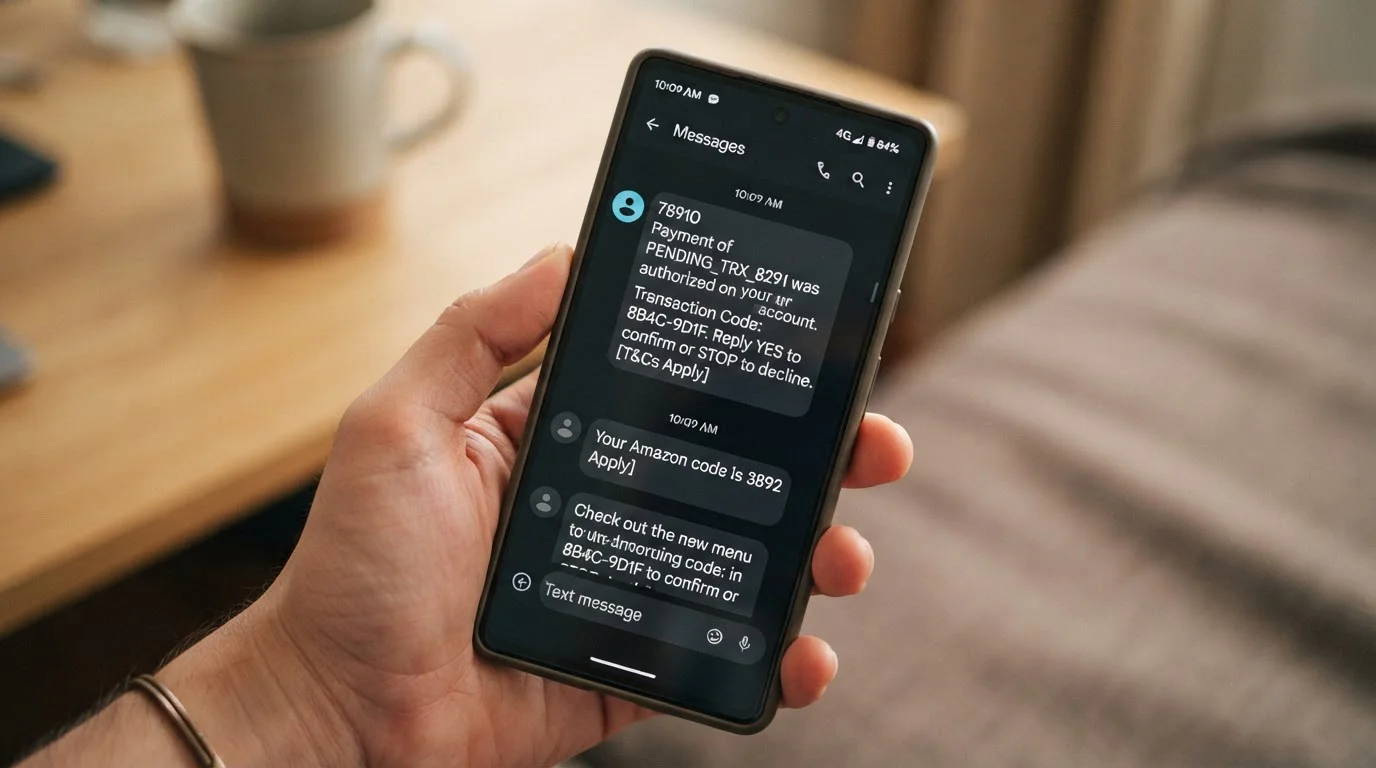
You receive an SMS confirmation request within five to 10 seconds. The message states the casino name, deposit amount, and a unique transaction code. Reply with the code or click the embedded authorisation link.
Funds appear in your casino balance instantly — typically zero to 30 seconds after SMS confirmation. The casino displays a success message, and you can start playing immediately.
The charge routes to your next monthly phone bill if you are on a contract plan. If you use pay-as-you-go, the amount deducts from your balance immediately and shows in your network’s app or USSD balance check.
How does Boku phone billing work at mobile casinos?
Boku routes your deposit through your mobile network’s carrier billing system. You authorise the payment via SMS, the casino receives confirmation instantly, and the charge appears on your next phone bill (contract) or deducts from PAYG credit immediately. No bank details or card numbers touch the transaction.
Contract vs Pay-As-You-Go
Contract customers see phone credit deposits itemised on their next monthly bill under “premium services” or “third-party charges.” The bill arrives 25-30 days after the transaction. EE, Vodafone, Three, and O2 all aggregate casino charges into a single line item per provider (e.g., “Boku premium services — £87.50” if you made multiple deposits totalling that amount in the billing period).
Pay-as-you-go users lose the deposit amount from their balance within seconds of SMS confirmation. Your remaining credit drops by the exact deposit figure. Check via your network app, USSD code (dial *#1234# or similar, varies by network), or text balance enquiry shortcode (BAL to 2020 for some networks).
PAYG has a hidden advantage: you cannot overspend. If your balance sits at £18 and you try to deposit £20, the transaction fails before SMS confirmation. Contract users face no such hard stop — the charge lands on your bill regardless of current spending, creating overdraft risk if you lose track of monthly phone-billed casino totals.
SMS Confirmation and Timing
SMS delivery usually takes five to 15 seconds. Network congestion can delay this to 30-60 seconds during peak hours (evenings, weekends, major sporting events when many users deposit simultaneously). If the SMS does not arrive within 90 seconds, the transaction times out and no charge applies. Retry from the casino cashier.
The confirmation message must come from the legitimate phone-billing provider shortcode (typically a five or six-digit number like 65550 for Boku UK). Phishing scams occasionally spoof casino deposit SMSes. Verify the sender: official Boku messages include your transaction reference and link to boku.com domain. Never reply to SMS requests from standard 07xxx numbers claiming to be casino payment confirmations.
Some networks route casino-billing SMSes through their fraud-prevention filters, especially if you have never used premium-rate services before. First-time phone deposits may require additional verification: replying CONFIRM or YES in addition to the transaction code, or following a link to your network’s web portal to approve premium-service access. This one-time setup takes 30-90 seconds. Subsequent deposits skip the extra step.
Phone Credit Deposit Limits and Fees Explained
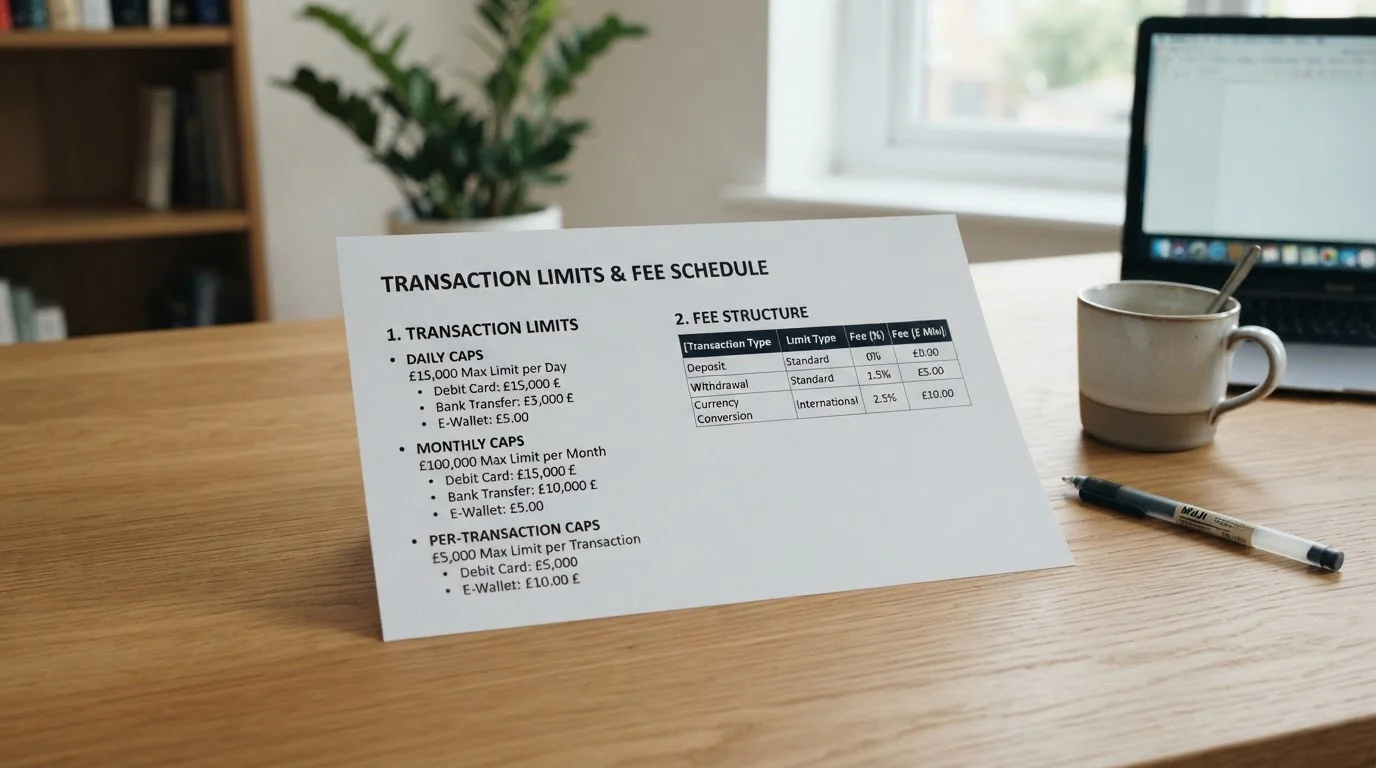
Phone-paid Services Authority rules cap every UK phone-billed transaction, not individual casinos. The £30-40 per-deposit limit is a regulatory ceiling, not an operator policy. Monthly spending maxes out at £240-250 across all phone-billed services combined — not per casino, but your entire carrier-billing activity including casinos, competition voting, charity donations, and any other premium-rate services.
These caps exist to limit consumer debt exposure and prevent runaway gambling charges on phone bills.
PSA Transaction Caps
Single-transaction maximum: £30 for standard accounts, £40 for verified accounts. The difference hinges on your network’s KYC status. If you have been a contract customer for 12-plus months with a clean payment record, some networks (EE, Vodafone) unlock the £40 cap automatically. Pay-as-you-go users typically stay locked at £30 regardless of tenure.
New customers face tighter restrictions: £10-20 per transaction for the first 30 days of premium-service use. Three mobile applies this strictly. O2 and EE relax it after two to three successful transactions.
Daily aggregate limit: £40-80 depending on network. Make two £30 deposits in one day on Vodafone, and the second may decline even though each sits under the per-transaction cap. The daily window resets at midnight UK time. This catches players off guard — PSA caps stack in ways not immediately obvious from cashier interfaces.
What is the maximum I can deposit with phone credit?
Per transaction: £30-40 (£30 for most users, £40 if your network has upgraded your premium-service limit). Per month: £240-250 aggregate across all phone-billed services, not just casinos. This is a Phone-paid Services Authority regulatory cap, not a casino policy, so you cannot raise it by asking the operator or your network.
Are there daily limits on phone credit casino deposits?
Yes. Most networks cap daily phone billing at £40-80 total, even when individual transactions stay under the £30 per-transaction limit. The exact figure varies by carrier and account history, so two £30 deposits in one day can see the second declined. Daily windows reset at midnight UK time.
Monthly Limits
PSA rules enforce a £240-250 monthly ceiling on all carrier-billed premium services combined. If you spend £60 on casino deposits, £20 voting in reality TV competitions, and £15 on charity SMS donations, all three categories count toward your £240-250 total.
The monthly window follows your phone billing cycle, not calendar months. If your bill runs from the 15th of one month to the 14th of the next, your PSA cap resets on the 15th.
Some casinos apply their own sub-caps: £200 monthly maximum for phone deposits even though PSA allows up to £250. This stems from responsible gambling policies, not regulation. PlayOJO and Duelz both implement £200 internal caps. IvyCasino, Oreels, and Bet442 follow the full PSA ceiling of £240.
Exceeding your cap triggers an automatic decline at the carrier level before the SMS confirmation even sends. You see a generic “transaction failed” error in the casino cashier. No partial charges apply.
Standard Carrier Fees vs Zero-Fee Operators
Mobile networks charge 15p-30p per phone-billed transaction to cover SMS routing, fraud checks, and payment processing. Vodafone typically deducts 15p. EE takes 25p. Three charges 30p. O2 sits at 20p. The exact fee is not published on network websites — it is buried in premium-rate service terms and conditions.
Most casinos pass this fee directly to players. Deposit £10 via Boku, and £9.70-£9.85 lands in your balance after the carrier takes its cut.
Betable Limited (operating IvyCasino, Oreels, and Bet442) absorbs the carrier fee entirely. Deposit £10, receive £10. Betable negotiated wholesale carrier-billing rates or subsidises the fee as a customer-acquisition cost. Either way, the player sees no deduction. This is unique in the UK market. No other UKGC-licensed operator waives phone-billing fees as of 2026.
For small deposits, the fee percentage hurts. Losing 30p on a £5 deposit is a six-percent drag. On a £30 deposit, 30p is one percent — negligible. If you regularly make £5-10 micro-deposits, zero-fee operators save meaningful money over time. Deposit £10 ten times per month at Duelz, and you lose £3 to carrier fees. Make the same deposits at Oreels, and you lose nothing.
Boku, Zimpler, Payforit and Fonix — Which Provider Powers Your Deposit?
Four phone-billing providers serve UK-licensed casinos in 2026, though market share skews heavily toward one. Boku dominates, Zimpler holds a secondary position, Fonix appears on select operators, and Payforit exists as legacy infrastructure being phased out.
The provider impacts fee structure, SMS delivery speed, and network compatibility. Most players never choose — the casino cashier presents “Pay by Mobile” as a single option, and Boku or Zimpler powers it behind the scenes.
| Provider | Market Share (UK Casinos) | Supported Networks | Typical Fee | Casino Count |
|---|---|---|---|---|
| Boku | ~75% | EE, Vodafone, Three, O2, all MVNOs | 15p-30p | 50+ UKGC-licensed sites |
| Zimpler | ~15% | EE, Vodafone, Three, O2 | 20p-25p | 10-15 UKGC-licensed sites |
| Fonix | ~8% | EE, Vodafone, Three | 15p-20p | 5-8 UKGC-licensed sites |
| Payforit | ~2% (declining) | All major networks | 20p-30p | Legacy integrations only |
Market share and casino counts are approximate and shift as operators add or drop providers; check the cashier at your chosen casino.
Boku (Market Leader)
Boku replaced Payforit as the UK standard for mobile payments in gambling, gaming, and digital content. The company processed over $10 billion in carrier-billed transactions globally in 2025, with UK gambling representing a significant vertical.
Technical infrastructure: Boku connects directly to EE, Vodafone, Three, and O2 billing systems. MVNOs (giffgaff, Tesco Mobile, Sky Mobile, Lebara) route through their host networks automatically — giffgaff uses O2 rails, Tesco Mobile uses O2, Sky Mobile uses O2.
SMS delivery speed averages five to 10 seconds. Transaction success rates exceed 95 percent for users with clean premium-service records. Declines stem from PSA cap violations (already hit £240 monthly limit), insufficient PAYG balance, or first-time premium-service blocks that require web-portal authorisation.
Fees vary by network. Boku does not set the charge — EE, Vodafone, Three, and O2 each apply their own premium-rate service fee per PSA guidelines. The 15p-30p range reflects this network-by-network variation.
Casino integration: Boku supplies a white-label cashier widget. Operators embed it via API, and the “Pay by Mobile” button in the casino cashier routes directly to Boku’s SMS gateway. Players see consistent UX across IvyCasino, Duelz, PlayOJO, and dozens of other Boku-powered sites.
What’s the difference between Boku, Zimpler and Payforit?
Boku dominates UK casino phone billing with 75 percent market share, supports all major networks, and replaced Payforit as the industry standard. Zimpler offers similar functionality but holds smaller market share. Payforit is legacy infrastructure being phased out. Fonix serves select operators with slightly lower fees.
Zimpler
Zimpler entered the UK in 2019 as a Nordic payment-provider expansion. The company built market share in Sweden and Finland first, then targeted UK online gambling as a secondary vertical.
The platform offers phone billing alongside instant bank transfers and e-wallet features, positioning itself as a multi-method payment hub rather than a pure carrier-billing specialist. This broader scope differentiates Zimpler from Boku’s phone-focused approach.
Network support mirrors Boku: EE, Vodafone, Three, O2, and their MVNOs. SMS confirmation flow is nearly identical. Fees land in the 20p-25p range per transaction, slightly tighter than Boku’s 15p-30p spread due to Zimpler’s wholesale agreements with fewer regional carriers.
UK casino adoption remains limited compared to Boku. Roughly 10-15 UKGC-licensed sites integrate Zimpler as of 2026, versus 50-plus for Boku. Duelz does not use Zimpler. PlayOJO does not use Zimpler. The Betable portfolio does not use Zimpler (though Oreels lists Fonix, not Zimpler, as a second provider alongside Boku).
Zimpler’s UK growth stalled in 2024-2025 as Boku locked in exclusive contracts with several major casino operators. This left Zimpler serving smaller or newer UKGC licensees rather than top-tier brands.
Fonix
Fonix provides carrier-billing infrastructure for select UK operators, including Oreels. The company focuses on premium-rate SMS services, mobile billing for digital content, and charity donation processing, with casino deposits as a smaller vertical.
Network coverage: EE, Vodafone, Three. O2 support is inconsistent — some Fonix-powered casinos accept O2 numbers, others do not. This narrower reach puts Fonix behind Boku and Zimpler.
Fee structure sits at the lower end: 15p-20p per transaction. This matches EE and Vodafone’s baseline premium-service charges without additional processor markup.
Casino penetration remains minimal. Five to eight UKGC-licensed sites list Fonix as a phone-billing option. Oreels uses Fonix alongside Boku, giving players a choice of carrier-billing provider — rare in the UK market. Most casinos pick one provider and lock in.
Payforit Phase-Out
Payforit was the original UK standard for mobile payments, launched in the mid-2000s as a joint initiative by UK mobile networks. It powered casino deposits, iTunes purchases, and premium-rate content for over a decade.
Boku acquired the commercial contracts underpinning Payforit in stages between 2019 and 2023. By 2026, Payforit exists as branding only. When a casino lists “Payforit” as a deposit method, Boku infrastructure processes the transaction behind the scenes.
Legacy integrations remain on older UKGC-licensed sites that have not updated their cashier labels. The user experience is identical to Boku — same SMS flow, same fees, same PSA caps. The only difference is the displayed name.
No new casino integrations use Payforit branding. Operators launching in 2025-2026 list Boku directly.
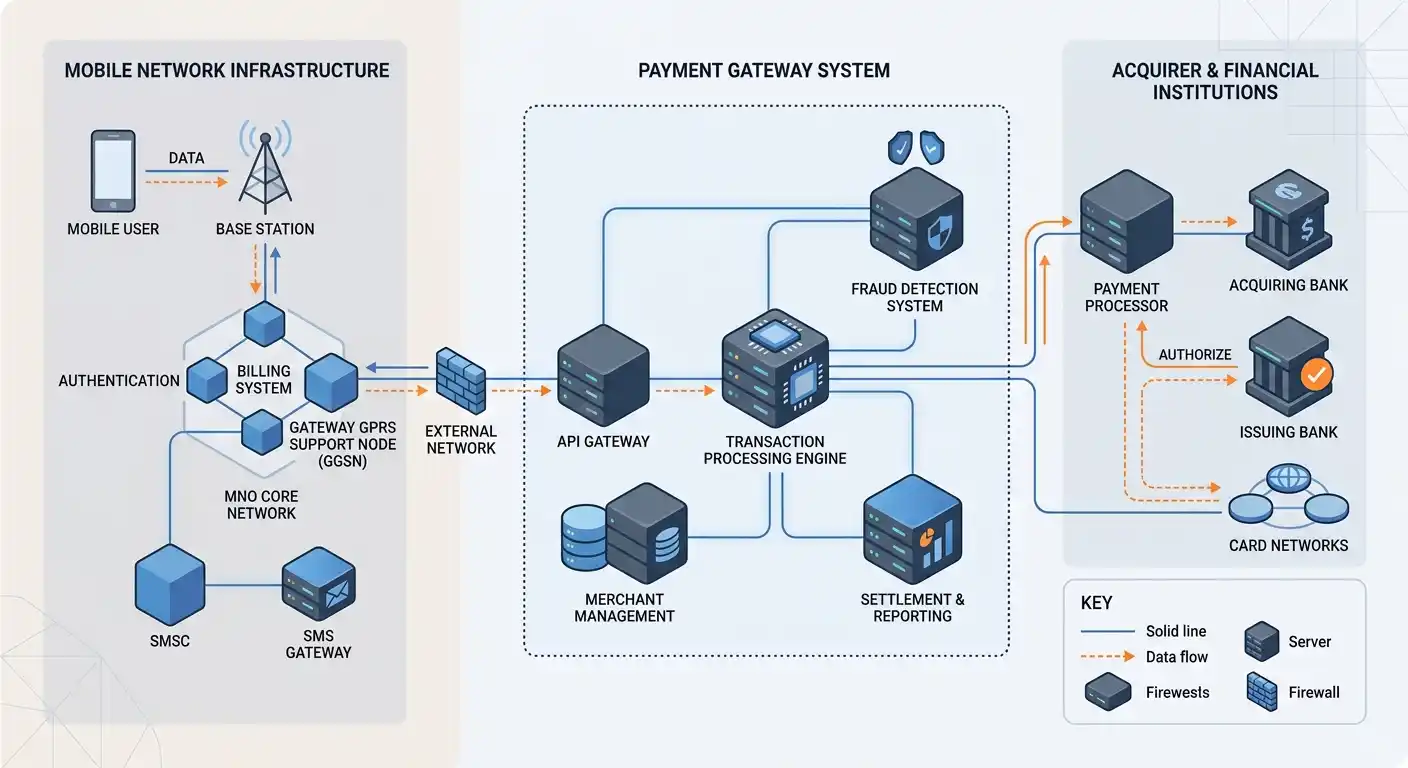
Withdrawing Winnings — Why Phone Credit Doesn’t Work in Reverse
Phone billing is a one-way payment rail. Money flows from your mobile account to the casino, never back. No UKGC-licensed operator, no phone-billing provider, and no mobile network supports withdrawals to phone credit. The limitation is structural, not a choice individual casinos make.
This creates a mandatory second-payment-method requirement. Win anything beyond your deposits, and you need a bank account, debit card, or e-wallet on file to cash out.
Deposit-Only Payment Method
Mobile networks treat casino charges as premium-rate purchases, the same category as competition voting, digital content, or charity donations. These transactions credit a merchant (the casino), not a peer-to-peer transfer. Carrier billing has no mechanism to reverse the flow and send money back to your phone balance or bill.
Technical constraints compound the structural ones. Your phone bill is not a stored-value account. Contract customers do not hold money with EE or Vodafone — the network extends credit, and you settle the balance monthly. Casinos cannot “refund” money to a credit arrangement that is not technically a payment account.
PAYG credit sits closer to stored value, but networks classify it as telecom currency, not legal tender. Regulations prevent casinos from paying winnings in non-monetary instruments. The Gambling Commission would not license an operator that tried.
The one-way limitation applies universally. Betable Limited cannot circumvent it. Duelz cannot circumvent it. PlayOJO cannot circumvent it. If you find a site claiming to withdraw to phone credit, it is not a UKGC-licensed casino — report it to the Gambling Commission.
Can I withdraw winnings back to my phone bill?
No. Phone credit is deposit-only: no UK-licensed casino, phone-billing provider, or mobile network supports withdrawals to phone bills or PAYG balances, because carrier billing has no reverse rail. You must set up a bank transfer, debit card, or e-wallet to cash out, so register that method before you expect to win rather than after.
Alternative Withdrawal Options
Bank transfer: Available at all seven casinos listed earlier. Processing takes one to five business days depending on the operator. IvyCasino, Oreels, and Bet442 average one to three days. Duelz and PlayOJO process within two to four days. Crystal Slots and Casino Kings follow three to five-day timelines.
Minimum withdrawal: £10-20 across most UKGC sites. Maximum per transaction: £5,000-10,000, though high-rollers can request larger amounts via customer support.
Bank transfers require full KYC: proof of identity (passport, driving licence), proof of address (utility bill, bank statement dated within three months), and sometimes proof of payment method (screenshot of your bank app showing your account number and name). UKGC casinos must verify your age and identity before you can play, but the first withdrawal often triggers extra document requests (address and payment-method proof). Processing pauses until you upload and compliance approves.
E-wallets: Skrill, Neteller, and PayPal (less common at UK casinos post-2020 due to PayPal’s gambling restrictions). E-wallet cashouts process faster than bank transfers — one to 24 hours at most operators. Duelz averages one to three hours. Oreels processes e-wallet withdrawals in under four hours. PlayOJO commits to under 24 hours.
E-wallets also require KYC, though some players already verified their Skrill or Neteller account for other purposes. The casino still demands ID and address proof for its own compliance records.
Debit card: Visa and Mastercard debit withdrawals return money to the card used for deposits (if you funded your account via card at some point). Processing takes three to seven business days. This method suits players who deposited via card initially, then switched to phone billing for convenience. If you never deposited via card, the option does not appear in your cashier.
| Method | Speed | Minimum | Fees | Setup Required |
|---|---|---|---|---|
| Bank Transfer | 1-5 business days | £10 | £0 | Full KYC (ID, address proof) |
| E-Wallet (Skrill, Neteller) | 1-24 hours | £10-20 | £0 (casino side) | Full KYC + e-wallet account |
| Debit Card | 3-7 business days | £10 | £0 | Must have deposited via card previously + KYC |
| PayPal | 1-3 days (rare) | £10 | £0 | KYC + PayPal account (few UK casinos accept) |
Fast-track payouts: Some operators (Duelz, PlayOJO, Oreels) prioritise e-wallet withdrawals and process them within hours rather than days. If speed matters, open a Skrill or Neteller account before depositing at the casino. Verify your e-wallet KYC in advance (upload ID and address proof to Skrill directly). Then link the verified e-wallet to the casino. First withdrawal goes faster because both the e-wallet and casino already cleared compliance.
Setting Up Your Cashout Method
Do this before you deposit, not after you win. The realisation that you cannot withdraw to phone credit hits hardest when you are sitting on £200 in winnings and discover you need to upload ID, wait 24-72 hours for compliance approval, then wait another one to five days for bank-transfer processing.
Pre-empt the frustration:
Create a Skrill or Neteller account before registering at the casino. Upload ID and proof of address to the e-wallet provider. Wait for verification (usually 24-48 hours). Then open your casino account, link the verified e-wallet in the cashier, and make your first deposit via phone credit. When you win, your verified e-wallet is already on file. Withdrawal requests process immediately.
Alternatively, make your first deposit via debit card, even if you plan to use phone billing afterward. This registers your card for future withdrawals. Subsequent deposits can use phone credit for convenience, but your cashout path is already established. Some players deposit £10 via card, then switch to phone billing for all future top-ups. The small initial card deposit unlocks card withdrawals permanently.
If you skip setup and deposit phone-only, expect delays. First withdrawal triggers extra document checks. Compliance reviews your documents in 24-72 hours (longer on weekends). Once approved, your bank transfer or e-wallet cashout enters the processing queue. Total time from withdrawal request to money in hand: three to seven days on first attempt. Subsequent withdrawals process faster, but the initial setup gate cannot be rushed.
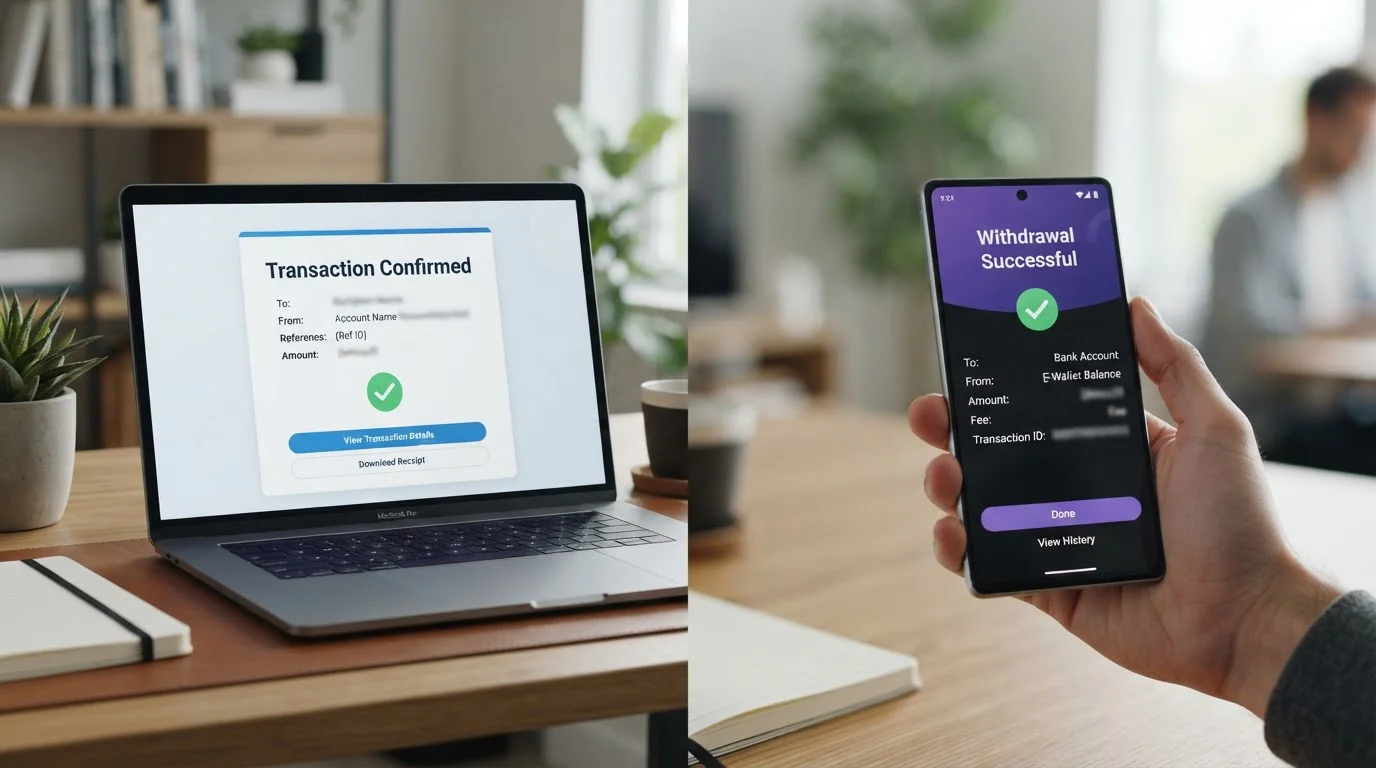
Phone Networks and Mobile Operators — Who Supports Casino Deposits?
All four major UK networks support carrier-billed casino deposits. EE, Vodafone, Three, and O2 integrate with Boku, Zimpler, and Fonix. Mobile virtual network operators (MVNOs) like giffgaff, Tesco Mobile, and Sky Mobile ride their host network’s infrastructure, inheriting the same phone-billing capabilities.
EE
EE supports Boku, Zimpler, and Fonix. Carrier fee sits at 25p per transaction across all three providers. PSA caps apply: £30 per transaction for most customers, £40 for long-tenured contract accounts with clean payment records.
First-time premium-service users face a £10-20 transaction limit for the first 30 days. Make two successful payments, and EE upgrades you to the standard £30 cap automatically. Monthly aggregate limit: £240.
EE processes SMS confirmations in five to 10 seconds on average. Network congestion rarely delays this beyond 15 seconds. The carrier routes phone-billing requests through separate infrastructure from standard SMS traffic, ensuring casino-deposit confirmations do not queue behind personal messages.
Vodafone
Vodafone supports Boku and Fonix. Carrier fee is the lowest among major networks: 15p per transaction. PSA caps mirror industry norms: £30 per transaction, £240 monthly. Verified accounts unlock £40 per-transaction limits after 12-plus months of contract tenure and zero missed payments.
SMS delivery averages five to eight seconds. Vodafone applies strict fraud filters to first-time premium-service transactions. Expect a secondary authorisation step on your first casino deposit: click the SMS link, land on a Vodafone web portal, confirm you authorise premium-rate charges. This one-time gate takes 30-60 seconds. Subsequent deposits skip it.
Three
Three supports Boku and Zimpler. Carrier fee: 30p per transaction, the highest among the big four networks. This makes Three the least cost-efficient choice for phone-billed casino deposits unless you are on a legacy unlimited-everything contract that subsidised premium-rate charges (rare after 2023 plan restructures).
PSA caps: £30 per transaction standard, £40 for verified accounts. Monthly limit: £250, slightly higher than EE and Vodafone’s £240.
SMS confirmation speed matches EE and Vodafone: five to 10 seconds typical. Three applies a strict £10 first-transaction cap for new premium-service users. Second transaction unlocks £20. Third transaction unlocks the full £30. This three-step ramp frustrates players who want to deposit £20-30 on their first try.
O2
O2 supports Boku. Zimpler and Fonix coverage is inconsistent — some O2 accounts work with these providers, others do not, depending on legacy system migrations O2 ran in 2024-2025. Carrier fee: 20p per transaction.
PSA caps: £30 per transaction, £240 monthly. Verified accounts unlock £40 limits after 18 months of tenure (longer than EE and Vodafone’s 12-month threshold).
SMS delivery is the slowest among the major four: 10-15 seconds average, occasionally stretching to 20-30 seconds during evening peak hours. O2’s premium-rate SMS infrastructure has not received the same investment as EE and Vodafone’s, leading to minor delays. Rarely a dealbreaker, but noticeable if you are comparing side-by-side with other networks.
MVNOs (giffgaff, Tesco Mobile, Sky Mobile)
MVNOs do not operate their own radio networks. They lease capacity from EE, Vodafone, Three, or O2 and resell it under their own brands. For phone-billing purposes, the host network’s infrastructure handles the transaction.
giffgaff runs on O2. Carrier billing works identically to O2 direct customers. Fee: 20p per transaction. PSA caps: £30 per transaction, £240 monthly. SMS delivery speed matches O2 (10-15 seconds).
Tesco Mobile runs on O2. Fee: 20p, same as O2. Caps: £30/£240. SMS speed: 10-15 seconds, O2-standard. Verified-account upgrades follow O2’s longer 18-month tenure threshold.
Sky Mobile runs on O2. Fee: 20p. Caps: £30/£240. SMS speed: 10-15 seconds, O2-standard.
Lebara, Lycamobile, and Voxi (Vodafone’s sub-brand) follow the same pattern — phone billing mirrors their host network (Vodafone for Lebara and Voxi, EE for Lycamobile).
One quirk: some casinos’ phone-billing integrations block MVNO numbers even though the technical infrastructure supports them. This stems from higher fraud rates on prepaid MVNOs compared to contract accounts on major networks. If a casino declines your giffgaff number, the issue is the operator’s risk rules, not giffgaff itself. Try a different casino — IvyCasino, Oreels, and Duelz all accept MVNO numbers.
Can I use phone credit deposits on giffgaff or Tesco Mobile?
Yes. MVNOs inherit phone-billing support from their host networks. giffgaff, Tesco Mobile and Sky Mobile all use O2 infrastructure. Carrier fees and PSA caps match the host network. Some casinos block MVNO numbers due to fraud rules — try IvyCasino or Duelz if your primary choice declines.

Low-Deposit and No-Deposit Phone Credit Casinos
Casino cashiers set a £5-10 minimum deposit across all phone-billed casinos. Below £5, transaction fees erode the deposit to unviable levels — a £3 deposit minus 25p carrier fee leaves £2.75, which many casinos consider too small to process.
Most operators set £10 minimums. A handful accept £5. None go lower.
“No-deposit” offers exist, but they do not mean zero payment. The terminology refers to bonuses that activate without requiring a deposit, not to phone-billing mechanics.
£5 Minimum Deposits
Crystal Slots, PlayOJO, and Casino Kings accept £5 phone-billed deposits. After carrier fees, £4.70-£4.85 credits to your balance. This suits micro-stakes players or those testing a new casino without committing £10-20 upfront.
Welcome bonuses rarely activate on £5 deposits. Minimum thresholds for first-deposit matches sit at £10-20 across most UKGC sites. PlayOJO’s 50 free spins require £10. Duelz demands £25. Oreels needs £20. Only a handful of casinos offer bonuses tied to £5 minimums, and these tend to be small (five free spins, £2 bonus credit).
£5 deposits make sense for returning players who want a quick top-up, not for new customers chasing welcome offers.
No-Deposit Offers (Reality Check)
“No-deposit bonus” and “no-deposit free spins” are affiliate marketing terms, not descriptions of phone-billing minimums. These offers give you bonus funds or free spins upon registration, before you deposit anything. Once the no-deposit bonus depletes, you still need to fund your account to keep playing — and phone credit minimums still apply (£5-10).
True no-deposit offers are rare at UKGC-licensed casinos in 2026. Regulatory scrutiny on bonus terms has tightened steadily, ending with the 10x wagering cap introduced on 19 January 2026. Most operators scrapped no-deposit bonuses entirely or limited them to £5-10 in bonus funds or a handful of free spins, so the cash value is small even when the wagering is manageable.
The handful of no-deposit offers that remain tend to exclude phone-billing deposits from subsequent bonus eligibility. Read the terms: “This promotion is available to players who deposit via debit card or e-wallet only.” Phone credit often falls into a separate category.
If a casino advertises “£5 no-deposit mobile casino pay with phone credit,” the phrasing is misleading. You get £5 bonus funds without depositing (the no-deposit part). When you do deposit later via phone credit, the £5-10 minimum still applies (the pay-with-phone-credit part). The two offers are separate, not combined.
Bonus Eligibility
Most UKGC-licensed casinos treat phone-billed deposits as equal to card and e-wallet deposits for welcome-bonus purposes. Deposit £20 via Boku at IvyCasino, and the 100-percent match up to £50 activates identically to a £20 Visa Debit deposit.
Exceptions exist. High-roller bonuses (e.g., “Deposit £500, get £500 bonus”) often exclude phone billing because PSA caps make it impossible to deposit £500 via phone credit in a single transaction. You would need 13 separate £40 deposits (if your network allows £40 limits), and most casinos do not aggregate multi-deposit bonus eligibility.
Reload bonuses and weekly cashback typically include phone deposits. Duelz’s 10-percent cashback counts phone-billed losses. PlayOJO’s OJOplus cashback accrues on phone-funded bets. Oreels’ 20 free spins on Big Bass Splash activate after a phone-billed £20 deposit wagered once.
Read the specific bonus terms. If phone billing is excluded, the promotion page states it explicitly: “This offer is not available for Pay by Mobile deposits.” Silence means inclusion.
Do phone deposits count towards casino bonuses?
Yes, at most UK casinos. Phone-billed deposits activate welcome bonuses, reload offers, and cashback as long as you meet the minimum deposit threshold (usually £10-20). Exceptions: high-roller bonuses requiring deposits above PSA caps, and niche promotions that explicitly exclude Pay by Mobile in the terms.
When to Use Phone Credit — and When Not To
Phone billing solves specific problems well and others poorly. The method excels at capped convenience, falls short for high-volume play, and sits somewhere in the middle for regular mid-stakes gambling.
Ideal Use Cases
Quick top-ups under £30 when you are already on your phone. You are commuting, see a slot you want to try, and do not want to pull out your debit card on a crowded train. Phone billing fits. Ten seconds, one SMS, done.
Built-in spending discipline. PSA caps enforce a £240-250 monthly ceiling regardless of how impulsive you feel. If you have struggled with deposit limits in the past — setting a £200 monthly cap in the casino, then removing it three days later and loading £500 via card — phone billing creates an external hard stop. You cannot override PSA caps without switching payment methods.
No bank-details exposure. Your card number, sort code, and account number never touch the casino. The transaction routes through your mobile network. If the casino suffers a data breach, your banking credentials are not in the compromised database. (Your phone number might be, but phone numbers are less sensitive than card CVVs and account numbers.)
Testing new casinos with minimal commitment. Register at a new UKGC-licensed site, deposit £10 via phone credit, try a few slots, and assess payout speed and customer service. If the experience is poor, you have risked £10 and shared no banking details. Easier to walk away than if you had deposited £100 via card and handed over your card details.
Limitations and Drawbacks
Transaction caps kill high-stakes play. £30-40 per deposit means a £200 bankroll requires five to seven separate transactions. Each one triggers SMS confirmation. Each one logs separately on your phone bill. The friction is real.
Carrier fees erode small deposits. Lose 30p on a £5 deposit, and you start six percent down before placing a single bet. Over 20 deposits per month, £6 vanishes to carrier fees. That is £72 per year. Betable Limited’s zero-fee casinos fix this, but only three operators waive fees.
Withdrawal delays compound the deposit-only limitation. Win £300 via phone deposits, and you cannot access it until you set up a bank transfer or e-wallet, submit KYC, wait for compliance approval, then wait for payout processing. Total time: three to seven days on first withdrawal. If you needed the winnings urgently, phone billing was the wrong deposit choice.
Monthly caps bite faster than you expect. £240-250 sounds generous until you realise it covers all premium-rate services, not just casino deposits. Vote in three reality-TV competitions (£5 each), donate £20 via SMS to a charity appeal, and your casino budget just dropped to £205-215 for the month. The cap is aggregate.
PAYG users risk running out of phone credit. Deposit £30 from a £35 balance, and your remaining £5 might not cover essential calls or texts until your next top-up. Contract users avoid this, but PAYG players need to watch balances carefully.
Better Alternatives for High-Volume Players
Instant bank transfers (Trustly, Pay by Bank): No transaction caps, no carrier fees, same-speed crediting as phone billing (instant to 30 seconds). Requires your bank login credentials passed through a secure PSD2-regulated gateway. Withdrawal compatibility — you can cash out to the same bank account you deposited from. Ideal for players who deposit £50-500 per session.
E-wallets (Skrill, Neteller): No transaction caps, no deposit fees (though e-wallets may charge withdrawal fees back to your bank). Faster cashouts than bank transfers (one to 24 hours vs. one to five days). Requires setting up a separate e-wallet account and verifying KYC once. Best for regular players who value fast access to winnings.
Debit cards: Higher transaction limits than phone billing (£100-5,000 per deposit depending on the casino). No carrier fees. Withdrawal compatibility — winnings return to the same card. Slower cashouts than e-wallets (three to seven days). Ideal for players who want simplicity and are not in a rush to access winnings.
Phone credit suits casual players depositing £10-30 a few times per month. High-volume players, high-stakes sessions, and anyone prioritising fast withdrawals should use instant bank transfers or e-wallets instead.
Is pay by mobile safe and regulated in the UK?
Yes. Phone billing at UKGC-licensed casinos operates under Gambling Commission oversight for the casino and Phone-paid Services Authority regulation for the billing mechanism. Carrier fees and transaction caps are regulated. Your bank details never reach the casino. Security is comparable to debit cards or e-wallets.
Slots, Live Casino and Mobile Games You Can Play with Phone Credit
Phone billing does not restrict which games you can play. Deposit £10 via Boku, and your balance works identically to a £10 card deposit. Slots, live dealer tables, scratch cards, bingo — all accessible. The limitation is deposit ceiling (£30-40 per transaction), not game library.
Slots Libraries
All seven casinos listed earlier offer 1,000-plus slots. IvyCasino, Oreels, and Bet442 feature Pragmatic Play, NetEnt, and Blueprint Gaming. Duelz hosts Big Time Gaming, Play’n GO, and Yggdrasil. PlayOJO exceeds 3,000 titles across 40-plus providers. Crystal Slots focuses on NetEnt, Playson, and Pragmatic Play, with dedicated categories for Megaways and high-volatility slots.
Phone-deposited funds carry no play-through requirements beyond any bonus terms you opted into. Deposit £10 via phone credit with no bonus, and the £10 is immediately withdrawable (minus the practical limitation that you need to set up a bank transfer or e-wallet to cash out, as covered earlier).
Stakes range from 10p per spin to £100-plus on high-limit slots. The £30-40 phone-deposit cap becomes a practical bankroll constraint. A £30 deposit at £1 per spin gives you 30 spins. At £5 per spin, six spins. High-stakes players exhaust phone-deposited funds quickly.
Live Casino Availability
Evolution Gaming powers live dealer tables at IvyCasino, Oreels, Bet442, Duelz, and PlayOJO. Pragmatic Play Live and Ezugi appear on some sites. Minimum bets sit at £0.50-£1 for blackjack and roulette, £1-£5 for baccarat, £0.10-£0.50 for live game shows like Crazy Time and Monopoly Live.
Phone-deposited funds work identically to card deposits in live casino. No restrictions, no separate “phone-credit balance” that is locked to specific games. Your £10 plays wherever you want.
One caveat: some welcome bonuses exclude live casino from wagering contribution. Deposit £20 via phone credit, claim a £20 bonus with 10x rollover, and live blackjack may contribute zero percent toward the £200 rollover requirement. Slots contribute 100 percent. This is a bonus-terms issue, not a phone-billing restriction.
Mobile Optimisation
Every casino accepting phone billing prioritises mobile-browser experiences. IvyCasino, Oreels, Duelz, PlayOJO, and Crystal Slots run fully in iOS Safari and Android Chrome without app downloads. Portrait-mode layouts, thumb-friendly buttons, and touch-optimised game interfaces are standard.
Native apps are rare. Betable Limited does not publish iOS or Android apps for IvyCasino, Oreels, or Bet442. Duelz has no app. PlayOJO relies on its mobile site. For these operators, mobile-browser play is simpler — no app-store approval delays, no update friction, no installation prompts.
Games load in HTML5. Pragmatic Play, NetEnt, Evolution, and Blueprint Gaming all publish mobile-native titles. No Flash, no plugin required. Expect 3-8 seconds load time per game on 4G/5G connections. Slower on 3G or congested Wi-Fi.
Data usage: slots consume 1-3 MB per 10 minutes of play. Live casino uses 10-20 MB per 10 minutes due to video streaming. A 30-minute live blackjack session burns 30-60 MB. If you are on a limited mobile data plan, connect to Wi-Fi before extended live-dealer play.
Responsible Gambling and Phone Credit Spending Limits
PSA caps function as built-in responsible gambling tools. The £30-40 per-transaction and £240-250 monthly ceilings create hard spending limits that cannot be bypassed without switching payment methods. For players who want external accountability — a ceiling they cannot raise in a moment of impulse — phone billing provides it.
PSA Caps as Built-In Safeguards
Unlike casino deposit limits, which you can adjust or remove in account settings, PSA caps are regulatory and immutable. You cannot call your mobile network and request a £500-per-month carrier-billing limit. The cap stays at £240-250 regardless of your tenure, credit score, or account history.
This makes phone billing a natural fit for players in early recovery, those testing their return to gambling after self-exclusion periods, or anyone who knows their risk profile and wants a low ceiling.
Contrast with debit cards: most UK banks allow £500-5,000 daily gambling transactions. E-wallets have no inherent caps — Skrill and Neteller let you deposit as much as your bank account holds. Instant bank transfers cap at £5,000-10,000 per transaction at most casinos. Phone billing is the only payment method with a sub-£300 regulatory ceiling.
The monthly reset provides a natural spending checkpoint. If you hit £240 by the 20th of the month, you have 10 days to reassess before the cap resets. No casino marketing email, no reload bonus, no “one more deposit” impulse can override it.
GamStop and Self-Exclusion
GamStop is the UK’s national self-exclusion register. Sign up, and every UKGC-licensed casino blocks your account for six months, one year, or five years (you choose the duration). The block applies across all operators — one registration locks you out everywhere.
Phone billing does not bypass GamStop. If you self-exclude, then try to deposit at IvyCasino via phone credit, the casino recognises your registered details (name, address, date of birth cross-checked against GamStop’s database during account registration) and refuses the account, not just the deposit. You cannot work around self-exclusion by using a different payment method.
Self-exclusion at individual casinos (not GamStop, just excluding yourself from one operator) also blocks phone billing. Close your account at Duelz under responsible gambling tools, and phone-credit deposits stop along with every other payment method.
Some players mistakenly believe phone billing is “anonymous” because it does not share bank details. It is not. Your phone number, name, and billing address register with the casino at account creation, and KYC verification ties your identity to the account. Phone billing offers payment convenience, not identity anonymity.
Setting Casino Deposit Limits
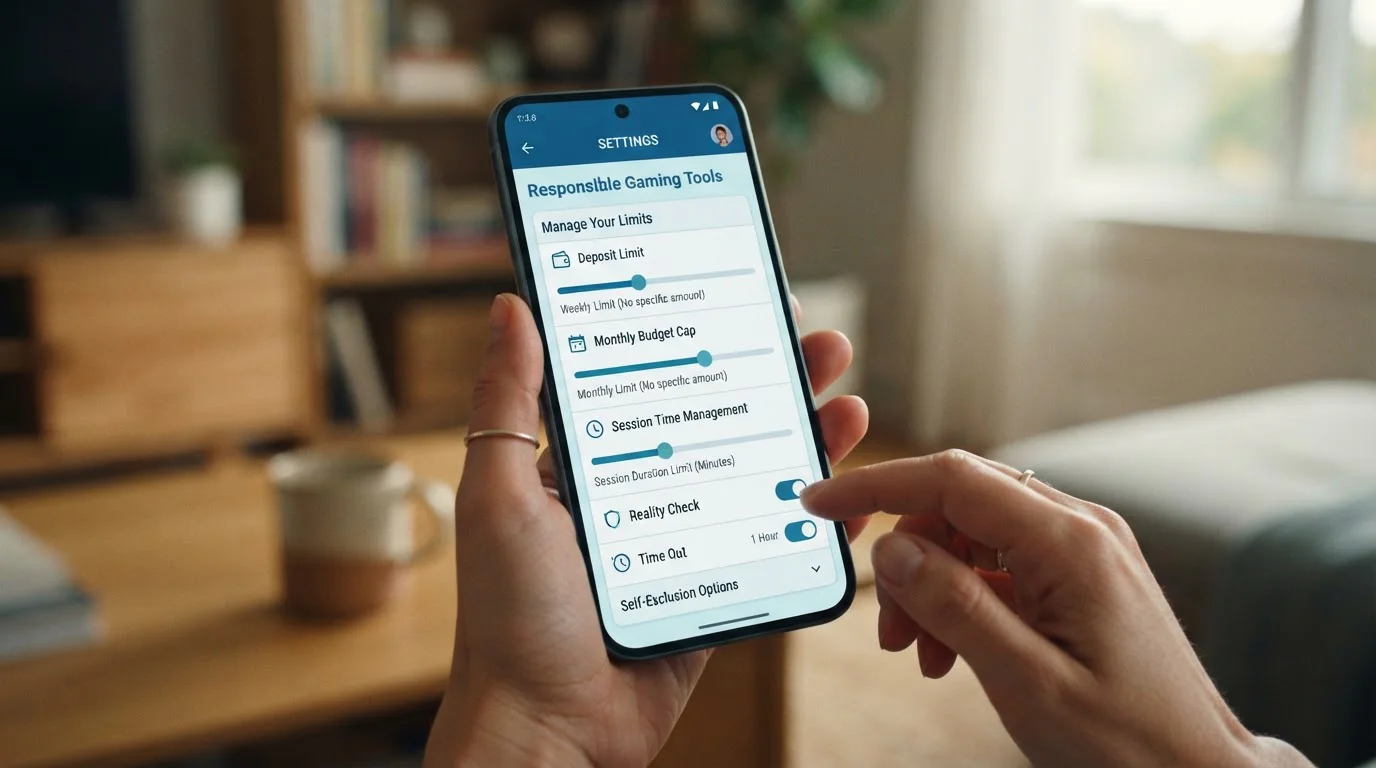
Most UKGC casinos let you set daily, weekly, or monthly deposit limits in account settings. These stack with PSA caps. Set a £100 monthly limit at PlayOJO, and you cannot deposit more than £100 via any payment method, even though PSA rules would allow up to £240 via phone credit.
Deposit limits apply immediately when you lower them, but increases take 24 hours to activate (UKGC cooling-off requirement). Remove a limit entirely, and the removal takes 24 hours. This delay prevents impulsive limit changes during active play sessions.
Combine casino limits with PSA caps for layered control. Set a £150 monthly deposit limit at your casino, and your effective ceiling becomes £150 even though PSA allows £240. The casino limit acts as your personal guardrail, and PSA caps backstop it if you forget to renew the limit or switch casinos mid-month.
Time-outs and session reminders complement deposit limits. UKGC casinos must offer reality checks (pop-ups reminding you how long you have been playing and how much you have deposited/wagered) and session time limits. Set a two-hour session limit, and the casino logs you out automatically when the clock expires. Phone billing fits into this ecosystem — your phone-deposited funds are subject to the same time-outs as card-funded play.
GamCare, BeGambleAware, and Gambling Therapy provide free UK-based support for problem gambling. Links to these organisations appear in the footer of every UKGC-licensed casino. If phone-credit deposits are becoming compulsive, self-exclusion and professional support are more effective than relying on payment-method caps alone.
Casino Deposit Methods UK 2026 — Compare Payment Options
Content created by the «casinopayoptions-uk.com» team