
Where UK Players Can Still Use Credit Cards at Online Casinos in 2026
 Available in GB
The short answer: none of the UK-licensed ones. Since 14 April 2020, every casino operating under a Gambling Commission licence banned credit cards completely. Bet365, William Hill, Ladbrokes, Grosvenor, 888 — every operator you recognise from the high street turned off credit card processing the moment the ban took effect. The regulator decided that letting people gamble with borrowed money was too risky, given that 22% of credit card gamblers showed signs of problem gambling in their research.
So if you want to deposit with a Visa, Mastercard, or American Express in 2026, you need to look offshore. That means casinos licensed in Curaçao, Malta, Gibraltar, or other jurisdictions that never banned credit cards. These sites still process card deposits from UK players, though your bank might have other ideas about letting the transaction through.
This is not a guide to “finding a loophole” or “beating the system.” The UKGC ban is absolute at licensed sites. What follows is a map of where credit card deposits still work, how the mechanics differ from the old UK-licensed flow, what you pay in fees, which banks block gambling transactions entirely, and what consumer protections you lose when you step outside UKGC jurisdiction. If you thought offshore gambling was just “UK casinos but cheaper,” prepare for disappointment.

Why Credit Cards Are Banned at UK-Licensed Casinos
The Gambling Commission announced the credit card ban in January 2020 and gave operators three months to implement it. The cutoff date was 14 April 2020. From that day forward, no UK-licensed casino, sportsbook, bingo site, or lottery platform could accept a credit card deposit, regardless of amount or player history.
The stated reason: gambling with borrowed money increases harm. The Commission’s research showed that 22% of people who used credit cards for gambling were problem gamblers, compared to 10.5% of gamblers overall. They also found that credit card users were disproportionately younger, less financially stable, and more likely to chase losses. The logic was that if you are betting with money you do not have, you are more likely to bet beyond your means.
This was not a sudden panic decision. The ban followed a multi-year consultation process that included submissions from charities, treatment providers, industry bodies, and thousands of individual responses. Opposition came mostly from the industry, who argued that credit cards were a legitimate payment method for customers who paid off their balances each month and never accrued interest. The Commission decided that protecting the 22% outweighed the convenience of the rest.
The ban applies to all forms of remote and land-based gambling under UKGC jurisdiction, with one exception: non-remote lottery tickets. You can still buy a paper lottery ticket with a credit card at a newsagent, but you cannot deposit £10 at a UK-licensed online casino.
Can you still use a credit card at online casinos if you live in the UK?
Only at sites licensed outside the UK. Every UKGC-licensed casino has been barred from taking credit card deposits since 14 April 2020. Offshore casinos may still accept them, but your bank may block the payment, and you lose UK consumer protections. Withdrawals back to a credit card are almost never possible.
When were credit cards banned for gambling in the UK?
The ban took effect on 14 April 2020, after the Gambling Commission announced it in January 2020. It covers every UKGC-licensed casino, sportsbook, bingo site and online lottery. There is no grace period and no exception for “trusted customers”; anyone claiming otherwise is wrong. Only non-remote lottery tickets are exempt.
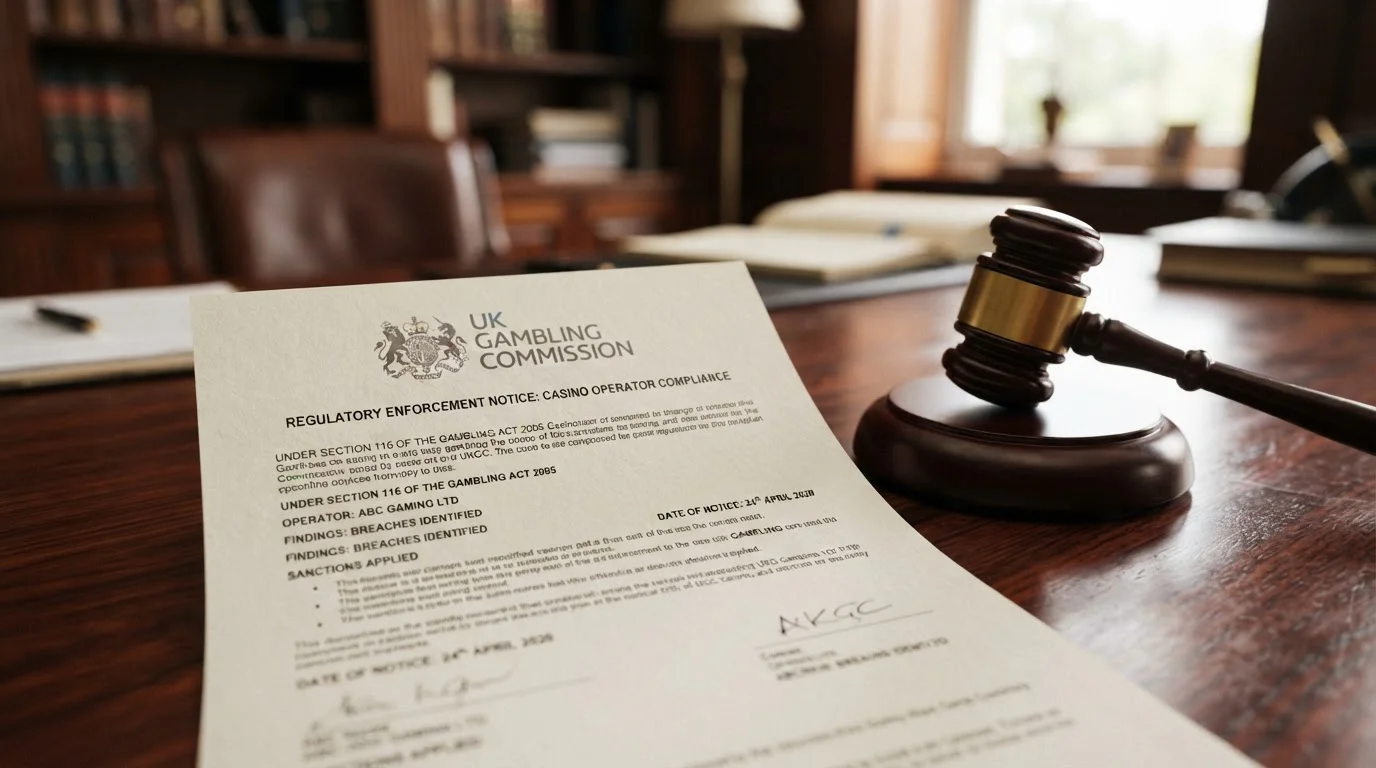
Offshore Casino Licences That Accept Credit Cards
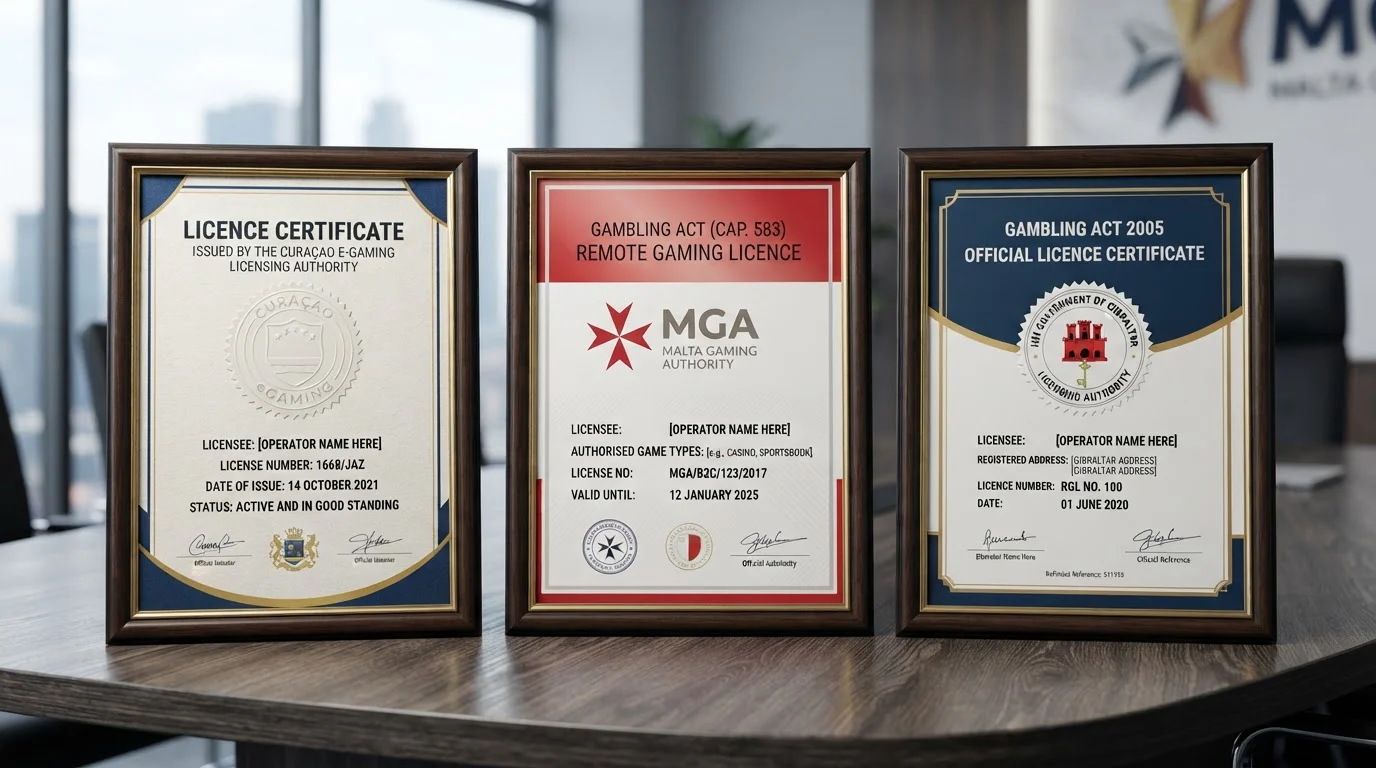
Once you step outside UKGC regulation, credit cards come back on the table. The offshore licensing jurisdictions that UK players most commonly encounter are Curaçao, Malta (MGA), and Gibraltar. Each has different standards, different player protections, and different risk profiles. None of them banned credit cards.
Curaçao eGaming
Curaçao is the Wild West. The Curaçao eGaming Authority issues a master licence to a small number of companies, who then sublicense it to hundreds of casinos. The oversight is minimal, the standards are vague, and the player protections are whatever the individual operator feels like providing. Curaçao-licensed casinos accept every payment method under the sun, including credit cards, because there is no regulator telling them not to.
Deposit limits at Curaçao casinos typically range from £10 to £5,000 per transaction, though some sites set their own lower caps. Processing speed is instant. Fees depend on the payment processor the casino uses, but cash advance charges from your bank are standard. More on those below.
The upside: Curaçao casinos are easy to join, rarely ask for extensive verification before your first deposit, and tend to accept players from jurisdictions that stricter licensors avoid. The downside: if something goes wrong, you have almost no recourse. The regulator does not respond to player complaints with anything approaching the speed or rigour of the UKGC, and many Curaçao casinos operate under terms and conditions that would never pass muster in Malta or Gibraltar.
Curaçao-licensed casinos that accept credit cards from UK players include a rotating cast of brands that launch, rebrand, and disappear with alarming frequency. Expect names you have never heard of, promotional offers that sound too good to be true, and customer support that ranges from responsive to nonexistent. Approach with caution, verify the licence number on the Curaçao regulator’s site, and never deposit more than you can afford to lose in both the gambling and “this site might vanish” senses.
Malta Gaming Authority (MGA)
The MGA is the strictest of the offshore regulators that still allow credit cards. Malta licenses some of the most reputable international casino brands, enforces player fund segregation (your deposits are held separately from the company’s operating funds), and maintains a formal dispute resolution process through the Player Support Unit and alternative dispute resolution entities.
MGA casinos that accept UK players typically process credit card deposits in the £10 to £2,000 range per transaction, though individual sites set their own limits. The MGA mandates responsible gambling tools, self-exclusion options, and transparent terms. If you are leaving UKGC regulation, MGA is the safest landing spot.
The catch: MGA casinos are becoming pickier about accepting UK players. Some pulled out of the UK market entirely after the UKGC introduced new licensing conditions, while others restricted UK access to stay clear of any grey areas. The MGA casinos that still welcome UK deposits tend to be the larger, more established brands with legal teams confident they are not violating UK advertising or licensing rules by accepting UK customers offshore.
Even at MGA casinos, credit card withdrawals are rare. Malta’s anti-money-laundering framework prefers that withdrawals go through the same method as deposits where possible, but credit cards complicate this because most card issuers do not allow gambling-related credits. Expect to withdraw via bank transfer or e-wallet instead.
Gibraltar Licensing Authority
Gibraltar operates a smaller licensing regime than Malta, but the standards are comparably high. Gibraltar-licensed casinos must segregate player funds, submit to regular audits, and comply with strict anti-money-laundering procedures. The jurisdiction has a solid reputation in the industry, though fewer casinos hold Gibraltar licences than Curaçao or MGA.
Gibraltar casinos that serve UK players typically accept credit card deposits in the £10 to £1,000 range. Processing is instant, fees are standard, and the overall experience is similar to what you would have encountered at a UK-licensed casino before April 2020. The player protections are robust, though they are governed by Gibraltar law rather than UK law, which means any disputes go through Gibraltar’s regulatory channels instead of the UKGC or UK courts.
Is it legal for UK players to use offshore casinos?
A UK resident does not commit an offence by playing at an offshore casino. However, the Gambling Act 2005, as amended in 2014, requires any operator offering gambling to consumers in Great Britain to hold a UKGC licence. The legal risk sits with the operator, but so does your protection: none from the UKGC.
That distinction matters in practice. An unlicensed operator taking UK customers is acting outside the law, cannot advertise in the UK or sponsor UK sports teams, and can be targeted by UKGC enforcement such as payment blocking. If it is shut down, has its payment processing cut off, or simply refuses to pay, you have no UK regulator or approved ADR provider to turn to.
| Licence Jurisdiction | Player Fund Segregation | Formal Dispute Process | Typical Credit Card Limits | Regulator Responsiveness |
|---|---|---|---|---|
| Curaçao | No requirement | No | £10 – £5,000 | Minimal |
| Malta (MGA) | Yes, mandated | Yes (PSU + ADR) | £10 – £2,000 | High |
| Gibraltar | Yes, mandated | Yes | £10 – £1,000 | High |
How to Deposit with a Credit Card at Offshore Casinos
The mechanics are straightforward: find the cashier, select credit card, enter your card number and CVV, confirm the amount, wait a few seconds for approval. The complications come from your bank, the merchant category code, and the fees.
Step-by-Step Deposit Process
- Register. Most offshore casinos require an email address, password, date of birth, and country of residence. Some let you deposit before full verification; others require identity documents up front.
- Open the cashier. Look for the credit card option, which might be labelled Visa, Mastercard, Amex, or generically as “Credit/Debit Card.”
- Enter your card details. Card number, expiry date, CVV, and cardholder name. Some casinos ask for your billing address, especially if they use 3D Secure authentication.
- Choose your amount. Minimum is usually £10, maximum varies by casino and licence. High-roller sites might accept up to £5,000, though most cap it around £1,000 for credit cards.
- Confirm the transaction. You might be redirected to your bank’s 3D Secure page (Visa Secure or Mastercard Identity Check) to authorise the payment via SMS code or app notification.
- Wait for approval. Instant if your bank clears it; declined if your bank blocks gambling transactions or the casino’s payment processor flags something suspicious.
- Check your balance. Funds appear within seconds if approved. If declined, you will see an error message. The casino usually cannot tell you why your bank declined it, only that it did.
Bank Blocking and Merchant Category Code 7995
Here is where it gets messy. Every transaction you make with a credit or debit card carries a merchant category code (MCC) that tells your bank what type of business you are paying. Gambling transactions use MCC 7995. Since the UKGC credit card ban, most major UK banks decided to block MCC 7995 transactions on credit cards entirely, even for offshore casinos.
Which UK banks block gambling with credit cards? The list includes Nationwide, Lloyds Banking Group (Lloyds, Halifax, Bank of Scotland), HSBC, NatWest, Royal Bank of Scotland, TSB, and Barclays. If you hold a credit card from any of these issuers, your deposit will decline at the bank level before it ever reaches the casino.
Some banks still allow MCC 7995 on credit cards: Santander, Tesco Bank, and a handful of smaller issuers. But even these are inconsistent. A transaction might go through today and get blocked tomorrow if the bank updates its policies or your account gets flagged for “unusual activity.”
What should you do if your bank blocks a credit card casino deposit?
Treat the decline as a safeguard rather than an obstacle. Most UK credit card issuers now block gambling (MCC 7995) on credit cards, and many customers switch those blocks on deliberately. If you still want to gamble, use your own money via a debit card or e-wallet at a UKGC-licensed casino instead.
Do not try to work around a block you or your bank put in place. Applying for a new credit card purely to gamble, or routing borrowed money through an e-wallet, recreates exactly the risk the 2020 ban was designed to remove. If you find yourself looking for ways around a gambling block, GamCare (0808 8020 133) and BeGambleAware offer free, confidential support.
Offshore casinos cannot bypass MCC 7995. The code is assigned by Visa and Mastercard, not the casino. Some shady operators used to disguise gambling transactions under different MCCs (a practice called transaction laundering), but payment processors and card networks cracked down on this years ago. If a casino tries to process your credit card deposit under a non-gambling MCC, that is a red flag that the site is dodgy.

Cash Advance Fees and Interest Charges
Even if your bank allows the transaction, you are almost certainly paying a cash advance fee. Most UK credit card issuers classify gambling transactions as cash advances rather than purchases. The difference matters.
Cash advance fees typically range from 3% to 8% of the transaction amount, with a minimum fee of £5 to £15. So if you deposit £100, you might pay an extra £5 to £15 in fees depending on your card issuer’s terms. Deposit £500, and you are looking at £15 to £40 in fees. These fees are charged by your bank, not the casino.
Worse, cash advances usually start accruing interest immediately, with no interest-free period. Even if you pay off your credit card balance in full every month, the gambling transaction starts racking up interest charges from the day it posts. Annual percentage rates (APRs) on cash advances are often higher than purchase APRs, sometimes exceeding 25% or 30%.
Do you pay fees when depositing with a credit card at offshore casinos?
Yes, almost always. The casino itself rarely charges a deposit fee, but your bank will usually treat the transaction as a cash advance: a flat fee of 3% to 8% (often £5 minimum) plus interest from day one. Check your card’s terms for “cash advance fee” and “cash advance APR” before depositing.
The arithmetic is bleak. Deposit £200 at a 5% cash advance fee (£10), and you are already down £10 before you place a single bet. If you do not pay off the balance immediately, you are paying interest on top of that. The UKGC banned credit cards partly because of this dynamic: the house edge on the games plus the fees and interest meant that credit card gamblers were paying a massive premium to play.
Withdrawal Methods at Credit Card Casinos
You deposited with a credit card. Can you withdraw to the same card? Almost never. Credit card withdrawals have been uncommon at online casinos for years, and offshore casinos in 2026 rarely offer them at all.
The reason is technical and regulatory. Credit card networks and card issuers do not like processing gambling-related credits back to cards. From their perspective, a credit to your card looks like a refund, and refunds are supposed to match a prior purchase. But gambling winnings are not refunds. Some issuers simply decline the transaction, while others flag the casino’s payment processor for suspicious activity.
Even when credit card withdrawals are technically possible, casinos avoid them because of chargeback risk. If you deposit with a credit card, play, lose, and then dispute the transaction with your bank as “unauthorised,” the casino has to fight the chargeback. Card networks tend to side with cardholders in disputes, which makes credit cards a costly payment method for casinos to accept. Allowing withdrawals to credit cards compounds this problem.
So what withdrawal methods do offshore casinos offer instead? Bank transfer, e-wallets (Skrill, Neteller, PayPal if the casino has it), and cryptocurrency are the most common. Some casinos require that you withdraw using the same method you deposited with, minus credit cards. If you deposited with a credit card, they will typically ask you to choose an alternative withdrawal method and complete a small verification deposit with that method before processing your withdrawal.
Bank transfer withdrawals take 3 to 5 business days on average, sometimes longer if the casino is dragging its feet on verification. E-wallet withdrawals are faster, usually 24 to 48 hours once approved. Crypto withdrawals can be nearly instant, though you will need to set up a wallet and navigate the exchange process if you want to convert your winnings back to GBP.
Processing times also depend on the casino’s withdrawal policy. Some offshore casinos impose a 24 to 48-hour “pending period” before they even start processing your withdrawal request, ostensibly to give you a chance to reverse the withdrawal and keep playing (i.e., to give the casino another shot at winning the money back). UKGC-licensed casinos are not allowed to let you reverse a withdrawal, but offshore casinos have no such restriction.
Withdrawal limits are another factor. Many offshore casinos cap withdrawals at £2,000 to £5,000 per transaction or £10,000 per month, even if you won more than that. High-roller sites offer higher limits, but you will need to negotiate them with VIP support. Compare this to UK-licensed casinos, where withdrawal limits are less common and where you can usually cash out your full balance without friction.
Can you withdraw to a credit card at offshore casinos?
Almost never. Card issuers dislike gambling credits that look like refunds, and casinos avoid them because of chargeback risk. Plan to use a bank transfer, an e-wallet or cryptocurrency instead, and expect to verify that method, sometimes with a small deposit, before the first payout is released.

What You Lose by Leaving UK-Licensed Casinos
The UKGC credit card ban was annoying if you were a responsible gambler who paid off your balance every month and never paid a penny in interest. But the protections you lose by moving to offshore casinos are considerably more annoying.
UKGC Consumer Protections
Start with fund protection. UK-licensed casinos are not required to segregate player funds, but they must tell you how well your balance is protected if the business fails — not protected, medium or high — so you can choose accordingly. Offshore casinos outside the MGA or Gibraltar often give no such disclosure and do not segregate funds, which means your deposits sit in the same account the casino uses to pay its staff and servers. If the company folds, you are an unsecured creditor fighting for scraps.
Self-exclusion is another gap. GAMSTOP is the independent national self-exclusion scheme that every UKGC-licensed online operator must join, and signing up blocks you from all of them. Offshore casinos are not part of GAMSTOP. Some offshore licensors operate their own self-exclusion schemes, but they are nowhere near as comprehensive. If you self-exclude from one Curaçao casino, you can sign up at another Curaçao casino five minutes later. The MGA runs a self-exclusion register, but it only covers MGA-licensed sites.
Dispute resolution is weaker offshore. If you have a complaint against a UK-licensed casino you first use the operator’s own complaints process, and if that does not resolve it within eight weeks, you can take it to the Independent Betting Adjudication Service (IBAS) or another approved alternative dispute resolution (ADR) provider. The UKGC does not settle individual complaints, but it does act on operators that breach their licence. The process is formal, the casino is obliged to engage, and you have a reasonable chance of a fair outcome. At offshore casinos, your options depend on the licence. MGA and Gibraltar have structured ADR processes. Curaçao has a complaints email address that might or might not respond.
Advertising standards are non-existent offshore. UKGC-licensed casinos must follow strict advertising rules: no targeting under-18s, no misleading bonus terms, no glamorising gambling. Offshore casinos can say whatever they want. Expect “guaranteed wins,” “unbeatable bonuses,” and other claims that would get a UK casino fined into oblivion.
Game fairness and RTP transparency are mandated under UKGC rules. Every slot and table game must have its return-to-player percentage published, and the software must be tested by accredited labs. Offshore casinos might publish RTPs, or they might not. Some use the same reputable game providers as UK casinos (NetEnt, Microgaming, Pragmatic Play), which means the games themselves are fair. Others use white-label software from providers you have never heard of, with RTPs that are anyone’s guess.
Tax treatment is the same whether you gamble at a UK-licensed or offshore casino: gambling winnings are not taxable in the UK, and neither are losses deductible. But if an offshore casino withholds tax on your winnings under its own jurisdiction’s rules, you will need to sort out a foreign tax credit or refund yourself. UK-licensed casinos never withhold tax from UK players.
What Offshore Casinos Offer Instead
Offshore casinos argue that they offer better bonuses, higher limits, and more payment options than UK-licensed sites. The bonuses are often larger in headline terms — 200% match up to £500, 100 free spins, that sort of thing — but the wagering requirements are usually steeper, and the terms have more gotchas. UK regulations cap bonuses and restrict terms to make them transparent. Offshore casinos have no such limits, which cuts both ways.
Higher limits are real. UK-licensed casinos impose strict affordability checks once your deposits or losses hit certain thresholds. Offshore casinos let you deposit as much as your payment method allows, verification permitting. If you are a high roller who finds UK limits restrictive, offshore is the only game in town. If you are a recreational player who benefits from the UK’s affordability guardrails, offshore casinos will happily let you lose more than you can afford.
Payment options are more varied offshore, including credit cards, crypto, and e-wallets that UK-licensed sites do not support. But variety is not the same as safety. More payment options mean more ways for things to go wrong, especially if the casino is using a shady payment processor or laundering transactions under the wrong MCC.
| Protection | UK-Licensed (UKGC) | Offshore (MGA/Gibraltar) | Offshore (Curaçao) |
|---|---|---|---|
| Player fund protection | Protection level must be disclosed | Segregation required | No requirement |
| National self-exclusion | Yes (GAMSTOP) | No | No |
| Formal dispute resolution | Yes (IBAS, ADR) | Yes (PSU, ADR) | Minimal |
| RTP transparency | Mandated | Common | Inconsistent |
| Withdrawal reversals | Banned | Allowed | Allowed |
| Credit card deposits | Banned | Allowed | Allowed |
Alternatives to Credit Cards at UK Casinos
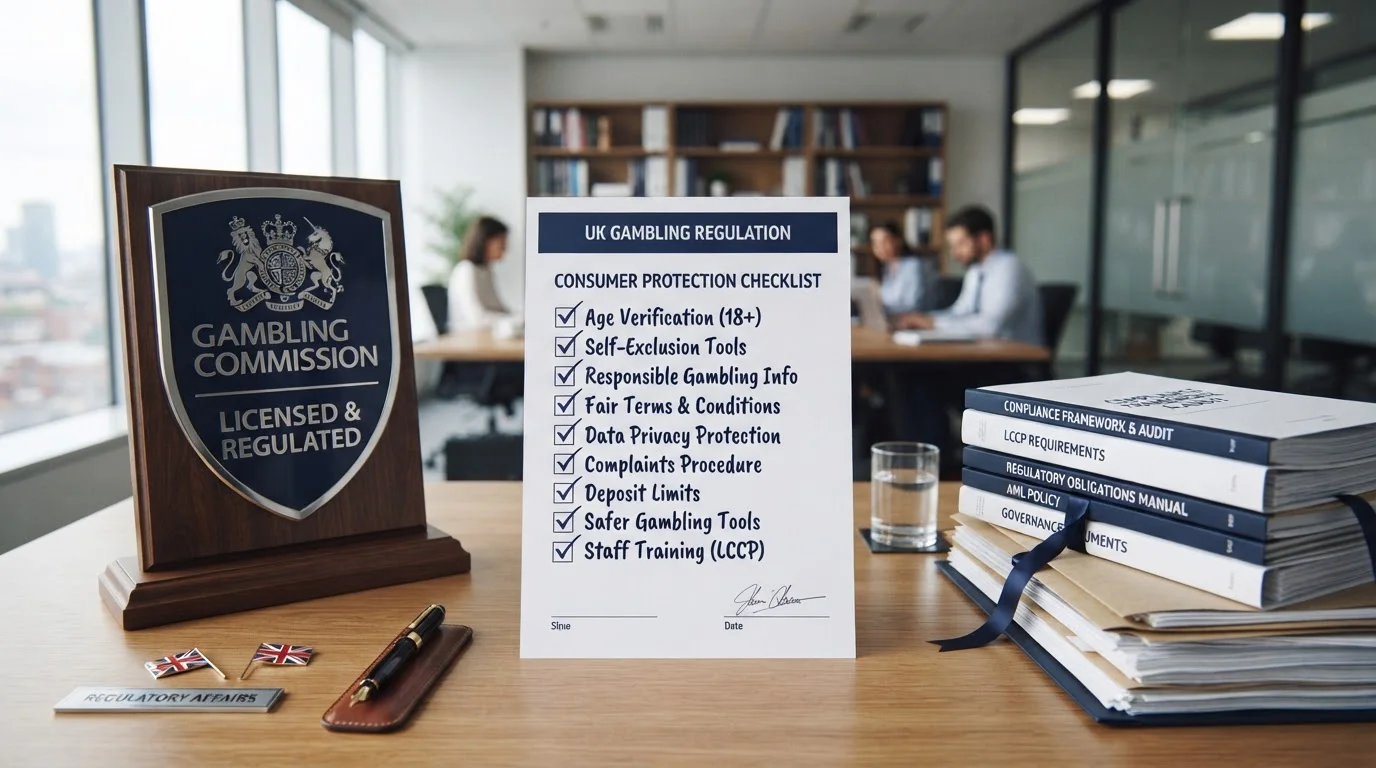
If your goal is to keep playing at UK-licensed casinos but you are frustrated by the credit card ban, you have plenty of alternatives. None of them involve borrowed money, which was the whole point of the ban.
Debit cards still work at every UK-licensed casino. Visa and Mastercard debit are the most common, though Maestro has been phased out by most sites. Deposit limits are the same as they were for credit cards, processing is instant, and there are no cash advance fees because the money comes directly from your bank account. The downside is that debit cards do not offer the same fraud protection or chargeback rights as credit cards, though UK-licensed casinos are regulated enough that this is rarely an issue.
E-wallets like PayPal, Skrill, and Neteller are widely accepted at UK-licensed casinos. You load funds into the e-wallet from your bank account or debit card, then transfer from the e-wallet to the casino. Processing is instant, fees are minimal (usually none for deposits, sometimes a small percentage for withdrawals), and many players prefer the extra layer of separation between their bank and the casino. The downside is that you need to create and verify an e-wallet account, which adds a step.
Bank transfers are fee-free at most UK casinos. You send funds directly from your bank account to the casino’s account, usually via Faster Payments or Open Banking. Both are near-instant for deposits; withdrawals by bank transfer depend mostly on how quickly the casino approves them. No fees, no middleman, but also no chargeback rights if something goes wrong.
Prepaid cards and vouchers like paysafecard let you deposit without linking a bank account or card. You buy a voucher at a shop or online, get a 16-digit PIN, enter it at the casino, and the funds transfer. Maximum deposit per voucher is usually £100 or £200, so it is better suited to low-stakes players. You cannot withdraw to a paysafecard, so you will need an alternative method for cashouts.
Cryptocurrency is not a realistic option at UK-licensed casinos. UKGC anti-money-laundering and payment rules make crypto acceptance difficult, and mainstream UKGC operators stick to fiat methods: debit cards, bank transfers, e-wallets and prepaid vouchers. Crypto casinos that accept UK players are almost always offshore, which brings back every protection gap described above, plus price volatility between deposit and withdrawal.
Mobile wallets round out the list. Apple Pay and Google Pay sit on top of your debit card, so they count as debit transactions, deposit instantly and usually qualify for welcome bonuses. You cannot load a credit card into them for gambling at a UKGC site.
What are the alternatives to credit cards at UK-licensed casinos?
Debit cards are the most common, followed by e-wallets such as PayPal and Skrill, bank transfers and Open Banking, Apple Pay and Google Pay backed by a debit card, and prepaid vouchers like paysafecard. All of them are permitted at UKGC-licensed casinos because none involve borrowing money to gamble.

Credit Cards and Slots
Slots are the most popular game category at online casinos, UK-licensed or offshore. They are also the category most associated with problem gambling, which is why the UKGC was particularly concerned about credit card use. The combination of fast-paced gameplay, variable rewards, and borrowed money was seen as especially risky.
Offshore casinos that accept credit cards give you full access to their slot libraries, which often include thousands of titles from dozens of providers. NetEnt, Microgaming, Pragmatic Play, Play’n GO, and Yggdrasil are the big names you will recognise. Lesser-known providers fill out the catalogue with clones, reskins, and the occasional hidden gem.
RTP (return to player) percentages on slots at reputable offshore casinos are the same as UK-licensed casinos, because the games come from the same providers. A NetEnt slot at a Curaçao casino has the same RTP as the same NetEnt slot at a UK-licensed casino, because NetEnt supplies the certified game file to both. Where offshore casinos differ is transparency: UK regulations require casinos to publish RTP percentages prominently, while offshore casinos might bury them in the game info screen or not publish them at all.
Volatility and hit frequency are other factors to consider. High-volatility slots pay out less frequently but with bigger wins when they do; low-volatility slots pay out more often but with smaller amounts. If you are playing with a credit card and paying cash advance fees on every deposit, high-volatility slots are a faster way to burn through your balance, since you might go dozens or hundreds of spins without a win. Low-volatility slots stretch your balance further, but the house edge grinds you down over time either way.
Jackpot slots are a category unto themselves. Progressive jackpots pool contributions from players across multiple casinos, sometimes reaching millions of pounds. Mega Moolah, Mega Fortune, and Hall of Gods are the classic examples. If you deposit with a credit card at an offshore casino and somehow hit a seven-figure jackpot, your withdrawal options become more complicated. Large wins usually require additional verification, source-of-funds checks, and phased payouts over weeks or months. Offshore casinos are notorious for stalling large withdrawals or finding excuses to void them, so read the terms carefully.
Bonus buy features in slots let you pay a lump sum (usually 50x to 100x your bet) to skip straight to the free spins round. UK-licensed casinos have been barred from offering bonus buys since October 2021 because they accelerate losses and encourage impulsive spending. Offshore casinos still offer them. If you are depositing with a credit card, bonus buys are a particularly fast way to rack up debt, since you are paying a premium for a feature that still carries a house edge.
The combination of credit cards and slots is what the UKGC was most worried about. Slots are designed to keep you playing, credit cards let you keep depositing, and the two together create a feedback loop that is hard to escape once you are chasing losses. Offshore casinos that accept credit cards offer no protections against this loop. If you are going to play slots with a credit card, set a hard limit before you start and stick to it, because the casino is not going to stop you.
Non-GamStop Coverage at Credit Card Casinos
GAMSTOP is the UK’s national self-exclusion scheme for online gambling. If you sign up, you are blocked from all UK-licensed casinos for a minimum of six months, extendable to one year or five years. The system works because every UKGC-licensed operator is required to check new registrations against the GAMSTOP database and reject anyone who is self-excluded.
Offshore casinos are not part of GAMSTOP. If you self-exclude via GAMSTOP and then register at a Curaçao, MGA, or Gibraltar casino that accepts UK players, the offshore casino has no way of knowing you are self-excluded. GAMSTOP only covers UK-licensed sites.
That gap is a risk, not a feature. Self-exclusion exists because, at some point, you decided you needed a break from gambling. Offshore sites that sit outside GAMSTOP undermine that decision: you can lock yourself out of every UK-licensed casino and still deposit at dozens of offshore sites within minutes, with a credit card and no affordability checks.
If you are self-excluded, do not use an offshore casino to get around it, whatever the reason you signed up. If the exclusion feels frustrating, that is worth talking through rather than working around. GAMSTOP, GamCare (0808 8020 133) and BeGambleAware all offer free, confidential support, and blocking software and bank gambling blocks can add further layers of protection while the exclusion runs.
Do offshore casinos that accept credit cards operate outside GAMSTOP?
Yes. GAMSTOP only applies to UKGC-licensed operators, and offshore casinos cannot access its database. That means a self-exclusion you registered will not stop you signing up offshore. It also means none of the UK protections apply, so an offshore site is the wrong place for anyone who has self-excluded.
Some offshore casinos operate their own self-exclusion systems. MGA-licensed casinos participate in a Malta-wide exclusion register. Curaçao casinos might offer self-exclusion on a per-site basis, though there is no central registry. If you self-exclude from one Curaçao casino, you can still sign up at another, and the first casino has no obligation to stop you.
The marketing pitch from non-GamStop casinos is that they offer “freedom” and “no restrictions.” The reality is that they offer no safety net. If you benefit from self-exclusion, deposit limits, and affordability checks — and most players do at some point — non-GamStop casinos are dangerous. They remove the tools that help you stop, while adding cash advance fees and interest on every credit card deposit.
Offshore casinos that accept credit cards from UK players are almost always non-GamStop by default, since they do not hold UK licences. If you are looking for credit card deposits because you are blocked from UK-licensed casinos via GAMSTOP, stop there: the block is doing its job. Contact GamCare on 0808 8020 133 or visit BeGambleAware for free support instead.
How to Choose a Safe Offshore Credit Card Casino
Not all offshore casinos are scams, but enough of them are shady that due diligence is non-negotiable. If you are going to deposit with a credit card at a casino licensed outside the UK, here is how to minimise the risk of getting burned.
Check the licence. Every legitimate offshore casino displays a licence number and the name of the licensing authority somewhere on its site, usually in the footer. Curaçao licences start with “1668/JAZ” or a similar format and include a seal you can click to verify. MGA licences include an “MGA/” prefix and a reference number you can check on the MGA’s public register. Gibraltar licences show a licence number issued by the Gibraltar Licensing Authority. If you cannot find a licence number, or if the number does not verify on the regulator’s site, do not deposit.
Read reviews from multiple sources. A single glowing review might be paid promotion. A pattern of complaints about delayed withdrawals, voided wins, or unresponsive customer support is a red flag. Look for reviews on independent forums, Trustpilot (though fake reviews are rampant), and affiliate sites that have a reputation to protect. If the casino launched last month and has zero independent reviews, wait.
Test customer support before you deposit. Send a question via live chat or email and see how long it takes to get a response and whether the answer is coherent. If support is slow, rude, or evasive before you deposit, it will be worse after.
Check the payment processor. When you go to deposit, the payment page will usually show the name of the processor handling the transaction (Worldpay, Skrill, PaySafe, or a name you have never heard of). Established processors are a good sign, since they vet the casinos they work with. Unknown processors could mean the casino is high-risk or has burned through reputable partners.
Look at the bonus terms. Reputable casinos have clear wagering requirements, game restrictions, and maximum bet limits during bonus play. Scammy casinos bury gotchas in the terms that make it nearly impossible to withdraw winnings: “must wager 50x, max bet £5, slots only, expires in 7 days, winnings capped at £100.” If the terms are deliberately confusing or the wagering requirement is above 40x, walk away.
Verify the games. Reputable offshore casinos use games from licensed providers like NetEnt, Microgaming, Pragmatic Play, Evolution Gaming (live dealer), and Play’n GO. You can usually verify this by clicking on a game and checking the provider logo in the loading screen. If the casino is using no-name providers or games that look like reskinned clones, that is a warning sign. White-label casinos sometimes use rebranded software with altered RTPs.
Check withdrawal limits and processing times. If the casino caps withdrawals at £500 per week with a 7-day pending period, you could be waiting months to cash out a decent win. Compare this to the withdrawal terms at established casinos, which typically allow £2,000 to £5,000 per transaction with 24 to 48-hour processing.
Test with a small deposit first. Do not load £500 onto a new offshore casino on day one. Deposit the minimum (usually £10), play a few rounds, and request a small withdrawal. If the withdrawal processes without drama, the casino is probably legitimate. If they stall, demand excessive documents, or refuse to pay out, you have lost £10 instead of £500.
Avoid casinos that spam you. If you start getting unsolicited emails or SMS from a casino you never signed up to, that casino bought your data from a dodgy lead-generation firm. Reputable casinos do not operate that way. Mark it as spam and stay away.
How do you know if an offshore casino that accepts credit cards is safe?
You can never be fully sure, because no offshore casino is under UKGC oversight. Reduce the risk by checking the licence on the regulator’s public register, reading independent reviews, testing customer support, confirming the game providers, reading the withdrawal terms and making a small test deposit first.
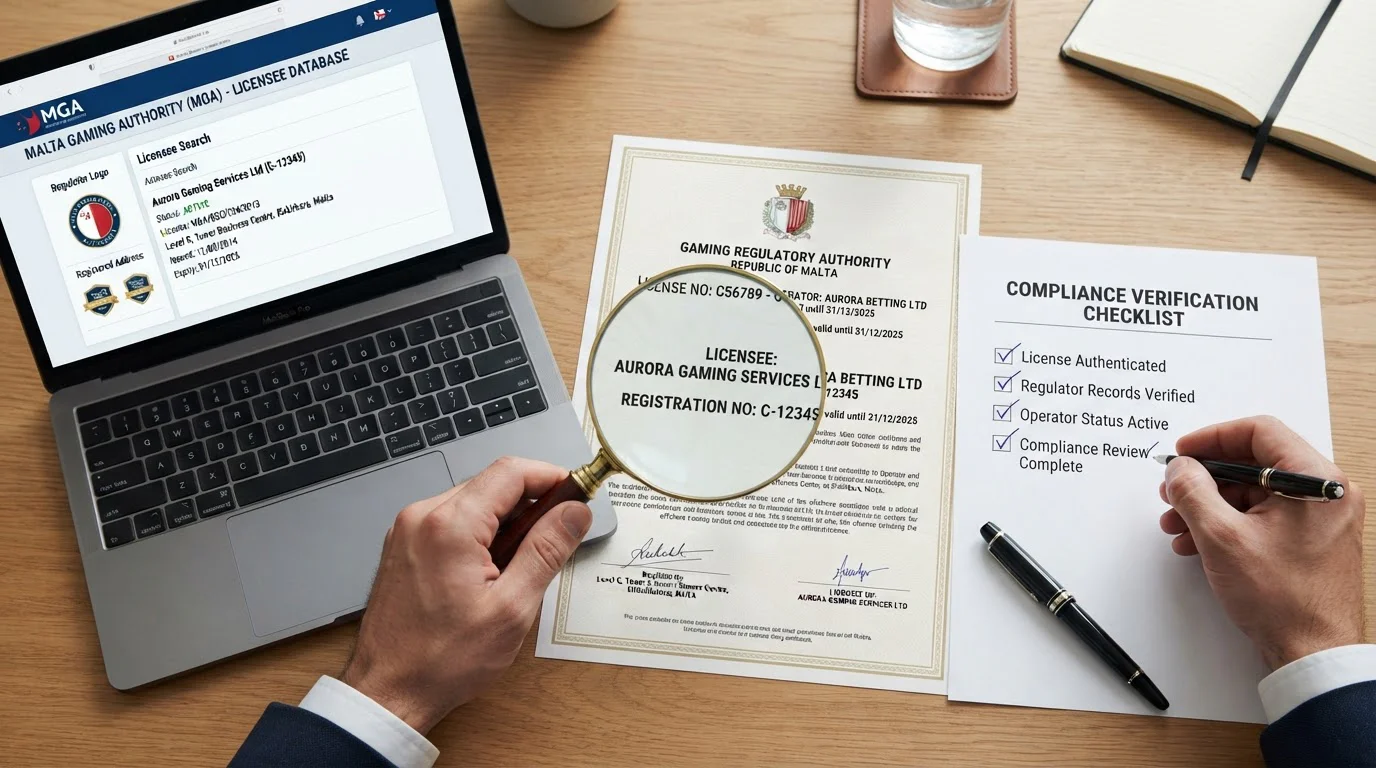
The safest offshore credit card casinos in 2026 are those licensed by the MGA or Gibraltar, with established brands, transparent terms, and a track record of paying out winners. They are not as safe as UK-licensed casinos, because no offshore casino is subject to UKGC oversight, but they are orders of magnitude safer than a fly-by-night Curaçao operation that launched last week and has a name like “MegaWinLucky777Palace.”
Casino Deposit Methods UK 2026 — Compare Payment Options
Content created by the «casinopayoptions-uk.com» team