
UK Casinos Accepting Boku Deposits: Zero-Fee Sites, Limits & Workarounds 2026
 Available in GB
Boku used to sit in every UK casino cashier alongside debit cards and PayPal. Then most operators quietly dropped it between 2023 and 2026. Not banned, not illegal — just unprofitable for casinos to support. Three holdouts remain, all under the same licence, and all charge exactly nothing to deposit via phone bill. Everyone else routes you through Neteller or another payment method.
This is the current map: which UKGC-licensed casinos accept Boku right now, what the actual costs and limits are, why you can’t withdraw winnings back to your phone bill, and what to do when the cashier says “payment method unavailable.”
UK Casinos That Accept Boku in 2026
Direct Boku acceptance in the UK has shrunk to a single cluster: three casinos operated by Betable Limited under one UKGC licence. IvyCasino, Oreels, and Bet442 take phone-bill deposits with zero transaction fees. Everywhere else, you either use the Neteller workaround or pick a different payment method entirely.
Long lists of “Boku casinos” usually lump pay-by-mobile broadly — other phone-bill services and Apple Pay bundled with actual Boku. Operators accepting those aren’t necessarily Boku-compatible. If you select Boku at a random UKGC cashier in 2026, expect “unavailable” more often than not.
| Operator | UKGC Licence | Min Deposit | Boku Fee | Withdrawal Speed | Key Feature |
|---|---|---|---|---|---|
| IvyCasino | Betable Limited (UKGC-licensed) | £10 | £0 | 60-second processing (verified accounts) | Launched 2024, mobile-first, 2,000+ games |
| Oreels | Betable Limited (UKGC-licensed) | £10 | £0 | Same-day | Operating since 2017, Big Bass franchise focus |
| Bet442 | Betable Limited (UKGC-licensed) | £10 | £0 | Same-day | Dual sportsbook/casino, 0× wagering free spins |
Betable Limited’s brands are the only UK casinos we found charging nothing to deposit by phone in 2026. Where Boku-style carrier billing still turns up elsewhere — rarely, and usually through a payment aggregator — the standard charge is 30p per transaction. That 30p either gets deducted from your deposit (£10 becomes £9.70 in your casino balance) or added on top (£10 deposit costs £10.30 on your phone bill). Fee structure varies by operator integration; Betable’s zero-fee model is the outlier.
IvyCasino
IvyCasino launched in 2024 under Betable Limited’s UKGC licence. It’s a mobile-first casino with over 2,000 slots and table games, emphasising speed: instant Boku deposits, 60-second withdrawal processing once your account is verified, and a slick app for iOS and Android. The welcome offer is modest — 100% match up to £50 on a first deposit of £20 or more, slots only, with a seven-day claim window; since 19 January 2026, wagering on UK casino bonuses cannot exceed 10x, so check the current multiplier in the terms.
What sets IvyCasino apart is the zero-fee Boku integration. Deposit £10 via phone bill, receive £10 in your casino balance. No 30p deduction, no surcharge on your mobile bill. For players who treat Boku as a budgeting tool — capping deposits at what their phone contract or PAYG credit can handle — fee-free deposits preserve the entire stake. The catch: it’s a young brand, launched in 2024. No major scandals or regulatory issues, but the track record is thin compared to casinos that have been around for a decade or more.
Oreels
Oreels has operated since 2017, initially under Grace Media (Gibraltar) Limited, now under Betable Limited’s UKGC licence. The brand has moved licence holder over the years, and each change brings fresh UKGC scrutiny. Check the public register entry for Betable Limited for any regulatory action before you deposit.
The offering is standard: 2,000+ games from established providers, live casino, table games. The welcome package is smaller than competitors — 20 free spins on Big Bass Splash plus a 100% deposit match up to £25 when you deposit at least £20. Oreels markets heavily around the Big Bass franchise (Pragmatic Play’s fishing-themed slots), which suggests the target player is a slots regular rather than a high-roller chasing five-figure bonuses.
Like IvyCasino and Bet442, Oreels takes Boku deposits with no fee. Minimum £10, maximum £30 per transaction (Boku’s standard cap). Withdrawals require a separate method — debit card, bank transfer, e-wallet — because carrier billing is deposit-only by technical design, not operator policy.
Bet442
Bet442 is Betable Limited’s dual-purpose platform: sportsbook and casino under one login. Launched 2024, targeting football bettors who also play slots. The sports side emphasises Bet Builder (custom multi-leg accumulators) and live streaming for in-play betting. The casino side offers the same 2,000+ games as IvyCasino and Oreels, but the welcome offer splits between sports and casino: £20 in free bets after a £20 sports wager, plus 20 free spins on Big Bass Splash (10p per spin).
The standout detail: 0× wagering on free spin winnings. Before January 2026, UK casinos typically attached 30× to 50× playthrough to bonus winnings, and even under today’s 10x cap most offers still carry some wagering. Bet442’s free spins pay out whatever you win immediately, no rollover. Rare enough to be worth flagging.
Bet442 accepts Boku deposits from £10 with zero fees, same as its sister sites. Maximum deposit per transaction is £2,000 via other methods, but Boku caps at £30 per go due to carrier billing limits. If you’re depositing more than £30, you’ll use a debit card or e-wallet anyway. Boku here is for small, card-free top-ups, not bankroll management at scale.
How to Find More Boku Casinos (Neteller Workaround)
Most UKGC casinos that removed direct Boku from the cashier still accept Neteller. Neteller, in turn, accepts Boku as a top-up method. The workaround: charge your Neteller account via Boku (the charge goes to your phone bill), then deposit the Neteller balance at the casino. Two steps instead of one, but it unlocks access to operators that dropped direct Boku integration — Betway, Ladbrokes, NetBet, and dozens of others.
The trade-offs are friction and fees. Neteller may charge transfer fees depending on your account status and transaction size. Boku’s £30-per-transaction limit still applies to the top-up, so you’re capped at £30 per Neteller reload, and the £40 daily cap applies cumulatively across all mobile-payment merchants, not just casinos. And you’re juggling two cashier interfaces instead of one direct deposit flow.
The upside: wider casino selection. If the casino you want doesn’t take Boku but accepts Neteller, this workaround bridges the gap without requiring a debit card. Your phone bill still carries the charge; the casino just sees a Neteller deposit on its end.
Is Boku still available at UK online casinos in 2026?
Yes, but availability is limited. Three UKGC-licensed casinos operated by Betable Limited — IvyCasino, Oreels and Bet442 — accept direct Boku deposits with zero fees. Most other operators dropped Boku between 2023 and 2026, though you can still route it through Neteller. Boku itself hasn’t closed; operator adoption simply declined on cost and fraud grounds.
How Boku Deposits Work at UK Casinos
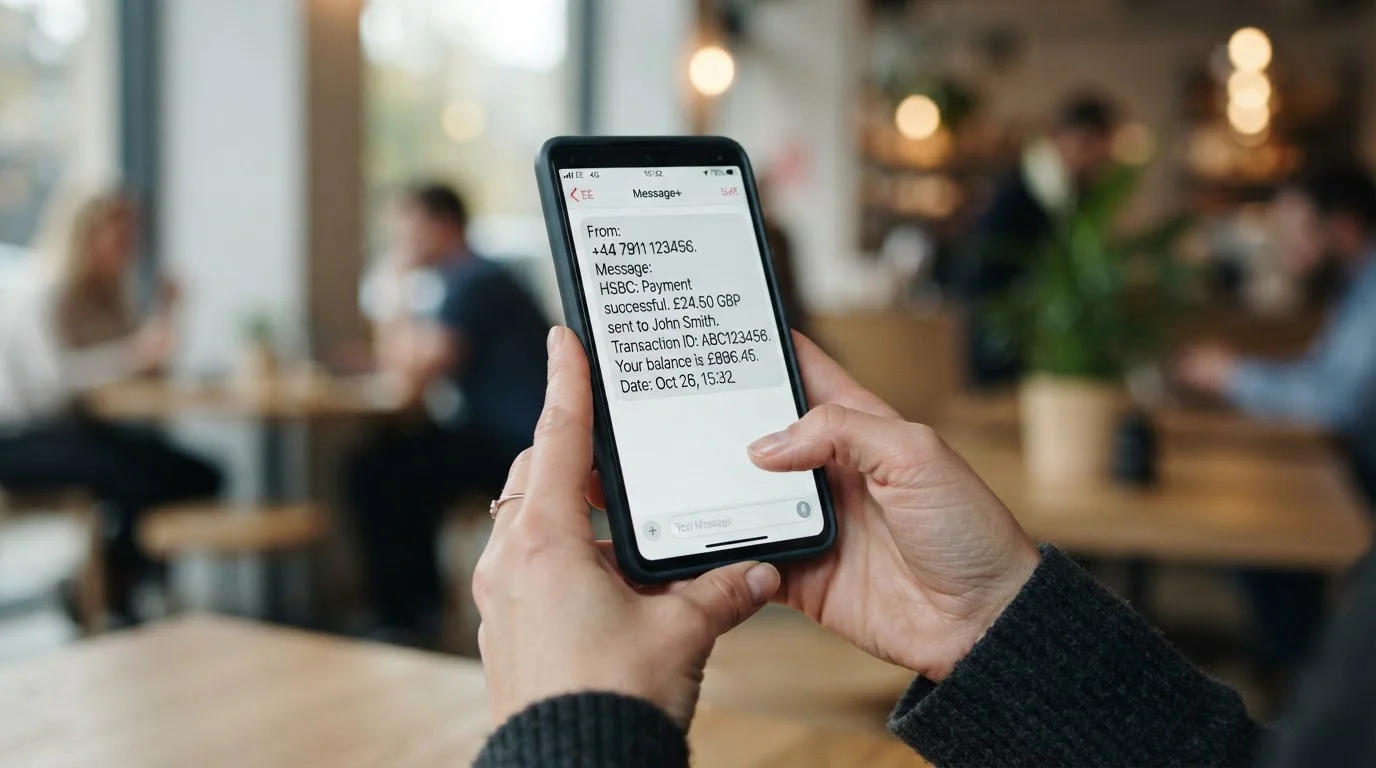
Boku is carrier billing: the casino deposit gets charged to your mobile phone bill (if you’re on a monthly contract) or deducted from your pay-as-you-go credit (if you’re on PAYG). No app to download, no Boku account to register, no card details shared with the casino. The transaction routes through your mobile network (EE, Vodafone, Three, O2) via SMS confirmation.
The flow: you select “Pay by Mobile” or “Boku” at the casino cashier, enter your UK mobile number, pick the deposit amount (typically £10 to £30), confirm via SMS, and funds appear in your casino balance within seconds. Contract customers see the charge on their next monthly phone bill, usually 1 to 4 weeks later. PAYG customers pay instantly — the amount gets deducted from existing credit the moment you confirm the SMS.
Step-by-Step Deposit Process
At the casino cashier, look for “Pay by Mobile” or “Boku”. Select it. Enter your mobile number — must be a UK number on a supported network (EE, Vodafone, Three, O2, or an MVNO piggybacking on those four). Pick your deposit amount from the dropdown or slider, usually capped at £10 minimum and £30 maximum per transaction.
Hit confirm. You’ll receive an SMS within seconds containing the transaction amount, the merchant name (the casino’s payment-processor entity, not always the casino brand name), and a confirmation prompt. Reply to the SMS as instructed, or tap the link if your phone supports it. Once confirmed, the deposit lands in your casino account immediately. No OTP codes, no 3D Secure redirects, no waiting for bank clearance.
Contract customers: the charge appears as a line item on your next monthly phone bill under “premium services” or similar. PAYG customers: the amount deducts from your current balance right away, visible in your network’s account balance check.
MVNOs (giffgaff, Tesco Mobile, Sky Mobile) ride the four main networks and inherit Boku capability. If your MVNO uses EE infrastructure, Boku works. Same for Vodafone, Three, or O2-backed MVNOs. Check your MVNO’s host network if unsure — most list it on their website’s coverage page.
Contract vs Pay-As-You-Go
Contract customers get a deferred charge. Deposit £20 at the casino today, pay it on your phone bill 2 to 4 weeks from now depending on your billing cycle. This creates a short-term credit buffer — useful if you’re between paydays but not if you lose track of accumulating charges. Multiple Boku deposits across a month stack up on one bill, and there’s no real-time deduction to stop you overspending until the bill arrives.
PAYG customers pay immediately from existing credit. Deposit £20, lose £20 from your balance that second. No deferral, no surprise bill later. If you have £15 left on PAYG and try to deposit £20, the transaction fails — you can’t overdraft prepaid mobile credit. This makes PAYG Boku a natural spending cap: once your phone credit runs out, you can’t deposit until you top up again.
The trade-off is convenience. Contract Boku lets you deposit without topping up your phone first. PAYG Boku requires maintaining credit specifically for casino deposits, which adds a friction step but also forces you to pre-fund before you gamble.
Do Boku deposits qualify for casino welcome bonuses?
Yes, at the three casinos covered here (IvyCasino, Oreels, Bet442). Boku counts as a real-money deposit and triggers welcome offers like a card or e-wallet deposit. Some UKGC casinos exclude specific methods — Skrill and Neteller most often — but Boku is rarely on that list. Still, check the bonus terms before depositing.
Boku Deposit Limits and Fees in the UK

Boku transactions in the UK hit three layers of caps: per-transaction limits set by Boku itself, daily and monthly caps set by the Phone-paid Services Authority (PSA), and operator-specific limits set by individual casinos. All three stack, and whichever is strictest wins.
Boku historically capped individual transactions at £30. That’s the ceiling you’ll see in most casino cashiers offering Boku. Some operators set their own floor at £10 minimum deposit. Between £10 and £30 is the standard working range for Boku deposits at UK casinos in 2026.
The PSA — the UK regulator for premium-rate phone services, not the Gambling Commission — imposes £40 per day and £240 per month across all mobile-payment merchants. Not just casinos. If you spent £15 on app purchases via carrier billing earlier today, you have £25 left for casino deposits until tomorrow. If you’ve charged £180 to your phone bill across various merchants this month, you have £60 remaining for Boku deposits until next billing cycle. These caps apply cumulatively, and there’s no way to check your running total except by tracking it manually or getting declined mid-transaction.
The PSA caps exist to prevent debt spirals on phone bills and apply to phone-paid services generally, not gambling specifically. The Gambling Commission doesn’t regulate Boku limits directly; operator compliance with PSA rules is a licensing condition, but the caps themselves come from PSA policy.
Transaction Limits (Per-Transaction, Daily, Monthly)
Per-transaction: £10 minimum, £30 maximum at Betable Limited casinos. Some operators accepting Boku via other integrations may vary — you’ll see £5 minimums or £20 maximums occasionally — but £10-to-£30 is the standard UK band.
Daily: £40 across all PSA-regulated merchants. Deposit £30 at IvyCasino and £10 at Oreels in the same day, you’re done until midnight. Deposit £30 at a casino and spend £10 on a mobile game via carrier billing, same outcome. The cap is per person, per phone number, across the entire carrier billing ecosystem.
Monthly: £240 cumulative, same scope. Heavy Boku users hit this ceiling mid-month and switch to debit cards or e-wallets for the remainder of the cycle. Light users never notice it exists.
Operator-specific caps sit on top. Bet442, for example, allows up to £2,000 per transaction via debit card but caps Boku at £30 because that’s Boku’s infrastructure limit. If an operator sets a £50 daily deposit limit across all methods, and you’ve already deposited £30 via Boku, you have £20 left for other methods — the operator limit and the PSA limit run in parallel, and you’re bound by whichever is tighter.
Fee Structures Compared
Betable Limited casinos (IvyCasino, Oreels, Bet442): zero fees. Deposit £10, receive £10 in your casino balance, pay £10 on your phone bill. No deduction, no surcharge.
Standard market fee elsewhere: 30p per transaction. Most operators that still support Boku charge this. Implementation varies: some deduct 30p from your deposit (£10 deposit = £9.70 casino credit), others add 30p to your phone bill (£10 deposit = £10.30 billed). The former is more common in UK integrations because it keeps the billed amount round.
30p doesn’t sound like much until you make ten £10 deposits in a month. That’s £3 in fees, or 3% of a £100 monthly spend. Debit cards charge nothing. E-wallets charge nothing. PayPal charges nothing. Boku’s 30p fee is an outlier in the UK casino payment landscape, which is why Betable’s zero-fee offering stands out.
Some casinos removed Boku specifically because of fee disputes with Boku Inc. or the carrier networks. Operators pay interchange fees to payment processors; Boku’s fee structure made small deposits (£10-£20) uneconomical for casinos compared to card processing. Betable absorbed the cost as a differentiator. Most others decided the margin loss wasn’t worth keeping Boku in the cashier.
PSA Regulatory Caps
The Phone-paid Services Authority is a UK body regulating premium-rate phone services — 09 numbers, SMS shortcodes, carrier billing for digital goods. Gambling transactions charged to a phone bill sit within the £40 daily and £240 monthly caps described above; other categories of phone-paid service can carry different limits.
The caps were introduced as consumer protection after complaints about phone-bill debt. They’re external to casino operators and external to the Gambling Commission. UKGC licence conditions require operators to comply with PSA rules, but the PSA sets the numbers. If you want higher limits, you’d petition the PSA, not the casino or the UKGC.
The caps reset at midnight UK time daily, and at the start of each billing cycle monthly. Contract customers’ monthly cap resets on their personal billing date (if your bill cycles on the 15th, your £240 cap resets on the 15th of each month). PAYG customers’ monthly cap resets calendar-monthly (1st of each month) unless their network uses a different cycle, which some MVNOs do. Check with your carrier if you’re routinely hitting the cap and need to know the exact reset timing.
One practical irritation: the PSA system doesn’t notify you how much of your £40 or £240 you’ve used. You find out by getting declined. If you need to track it, keep a manual log of carrier-billed purchases, casino deposits included.
What is the maximum Boku deposit limit at UK casinos?
£30 per transaction at most UKGC operators, within a £40 daily and £240 monthly cap set by the Phone-paid Services Authority (PSA). The £30 ceiling is Boku’s infrastructure limit; the PSA caps apply cumulatively across all premium-rate mobile services, not just casinos. Some operators set a lower £20 limit.
Which UK casinos charge no fees for Boku deposits?
IvyCasino, Oreels and Bet442 — all operated by Betable Limited — charge zero fees for Boku deposits in 2026. Deposit £10 and you receive £10 in your casino balance, paying £10 on your phone bill, with no 30p fee or percentage cut. They are the only UKGC-licensed casinos we found offering fee-free Boku.
Withdrawing Winnings from Boku Casinos
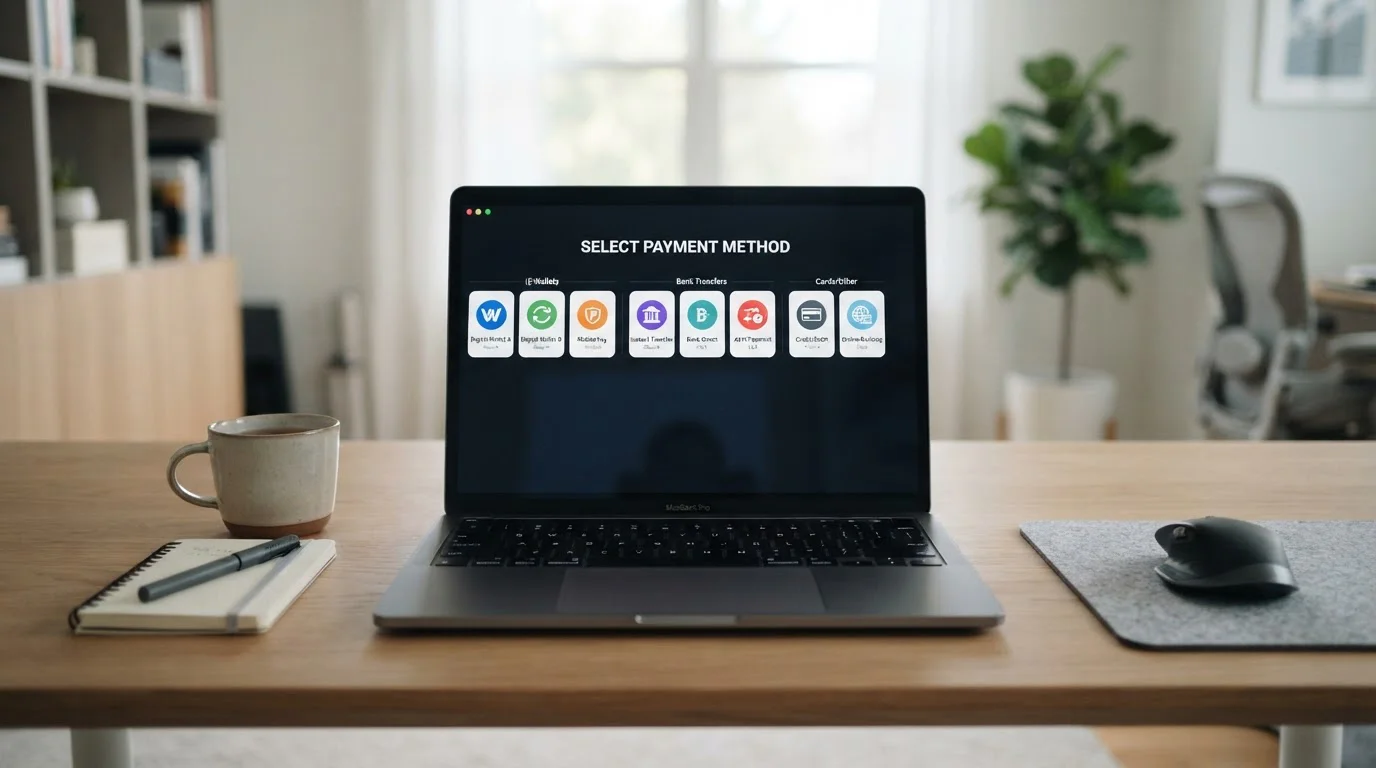
You can’t withdraw to Boku. Not at IvyCasino, not at Oreels, not anywhere. Boku is deposit-only, and that limitation is technical, not regulatory. Carrier billing systems — the infrastructure connecting your phone network to payment processors — only support charges added to your bill or deducted from PAYG credit. They don’t support reverse payments (credits back to your phone account). EE, Vodafone, Three, O2: none of them have built the capability to receive funds and credit them back to your phone balance.
This isn’t unique to gambling. Any purchase you make via carrier billing (app subscriptions, game credits, digital content) is one-way. You can pay with your phone bill; you can’t receive refunds to your phone bill. Chargebacks and refunds in carrier billing get processed through alternative rails — bank transfer or original payment method if you used a card to top up PAYG credit.
For casino withdrawals, you’ll use a debit card, bank transfer, e-wallet (PayPal, Neteller, Skrill), or instant bank transfer (Trustly). Most UKGC operators require you to verify a withdrawal method even if you never used it for deposits. That usually means uploading a photo of your debit card (front only, middle digits obscured) or a bank statement showing your name and account number. Your age and identity are verified before you can gamble, regardless of how you deposit, and these extra payment-method checks come on top.
Why You Can’t Withdraw to Boku
Carrier billing is a one-way payment rail. The technical term: it’s an aggregation service, not a remittance service. Boku collects charges from merchants (casinos, app stores, content providers), consolidates them, and submits them to your mobile network for billing. The network adds the charge to your monthly bill or deducts it from PAYG credit. There’s no reverse flow built into the system.
Why? Carrier billing was designed for low-value, high-frequency purchases (ringtones, wallpapers, app coins) where refunds were rare and manually processed. Building bidirectional payment flows would require significant infrastructure investment by networks and payment processors, plus regulatory compliance for money transmission in both directions. The business case for that investment doesn’t exist. Volume is too low, margins too thin, and alternative withdrawal methods (cards, e-wallets, bank transfers) already handle the job.
Some markets (parts of Asia, Africa) have carrier billing systems that support two-way flows, but those are built around mobile money platforms (M-Pesa, GCash) with regulatory frameworks treating the mobile account like a bank account. UK carrier billing never evolved in that direction. Your EE or Vodafone account is a telecommunications account, not a financial account. It can’t legally hold your casino winnings.
Alternative Withdrawal Methods
Debit cards: universal acceptance at UKGC casinos. Withdrawals process in 1 to 3 business days depending on your bank. UKGC casinos rarely charge withdrawal fees (check the cashier terms), and your bank may occasionally charge for receiving a “gambling merchant” transaction. Most don’t.
Bank transfer: speed depends on the operator’s approval time and the rail — near-instant once sent by Faster Payments, up to 3 to 5 working days where BACS and slow approvals combine. You provide your sort code and account number, the casino pushes a BACS or Faster Payment, and funds land in your bank account.
PayPal: fast (4 to 5 hours at major casinos like Betway and Ladbrokes) and widely trusted. PayPal withdrawal requires a verified PayPal account linked to your bank or card. Useful if you value the extra separation between your bank and the casino — the casino sees your PayPal email, not your card number.
E-wallets (Skrill, Neteller): same-day withdrawals, popular with regular players. Both require account registration and verification (photo ID, proof of address). Both charge fees for certain withdrawal methods (e.g., Neteller to card costs a percentage). But casino-to-e-wallet is usually instant, and e-wallet-to-bank is next-day.
Trustly: instant bank transfers without registration. You log into your online banking within the casino cashier, authorise the withdrawal, and funds hit your bank account in minutes to hours. Trustly doesn’t hold your money — it’s a passthrough authenticating your bank details in real time. Only works with supported UK banks (most high-street banks are covered: Barclays, HSBC, Lloyds, Nationwide, Santander).
Fastest Cashout Options
If speed matters — you want winnings in hand within hours, not days — the methods rank like this:
| Rank | Withdrawal method | Typical payout time |
|---|---|---|
| 1 | Trustly (instant bank transfer) | Minutes to hours |
| 2 | PayPal | 4–5 hours at top-tier operators, longer at smaller casinos |
| 3 | E-wallets (Skrill, Neteller) | Same-day at most casinos, instant at some |
| 4 | Debit card | 1–3 working days |
| 5 | Standard bank transfer | Up to 3–5 working days, depending on approval and rail |
Trustly is fastest when it works, but it requires your bank to support it and your casino to offer it. PayPal is the most reliable “fast” option because nearly every UKGC casino accepts it for withdrawals, and major operators prioritise PayPal payouts over other methods.
Debit card and bank transfer are fallbacks. They’ll always work, but you’re waiting days instead of hours. For Boku depositors, this mismatch — instant deposits, multi-day withdrawals — is the practical reality. You can’t match the deposit method to the withdrawal method like you can with debit cards (deposit with card A, withdraw to card A).
Can you withdraw winnings to Boku in the UK?
No. Boku is deposit-only because carrier billing supports one-way transactions only — charges to your phone bill or deductions from PAYG credit, never credits back. Withdrawals need an alternative method: debit card, bank transfer, an e-wallet such as PayPal, Skrill or Neteller, or Trustly. This applies at every UK casino, not just the Boku ones.
Alternatives to Boku for UK Casino Deposits
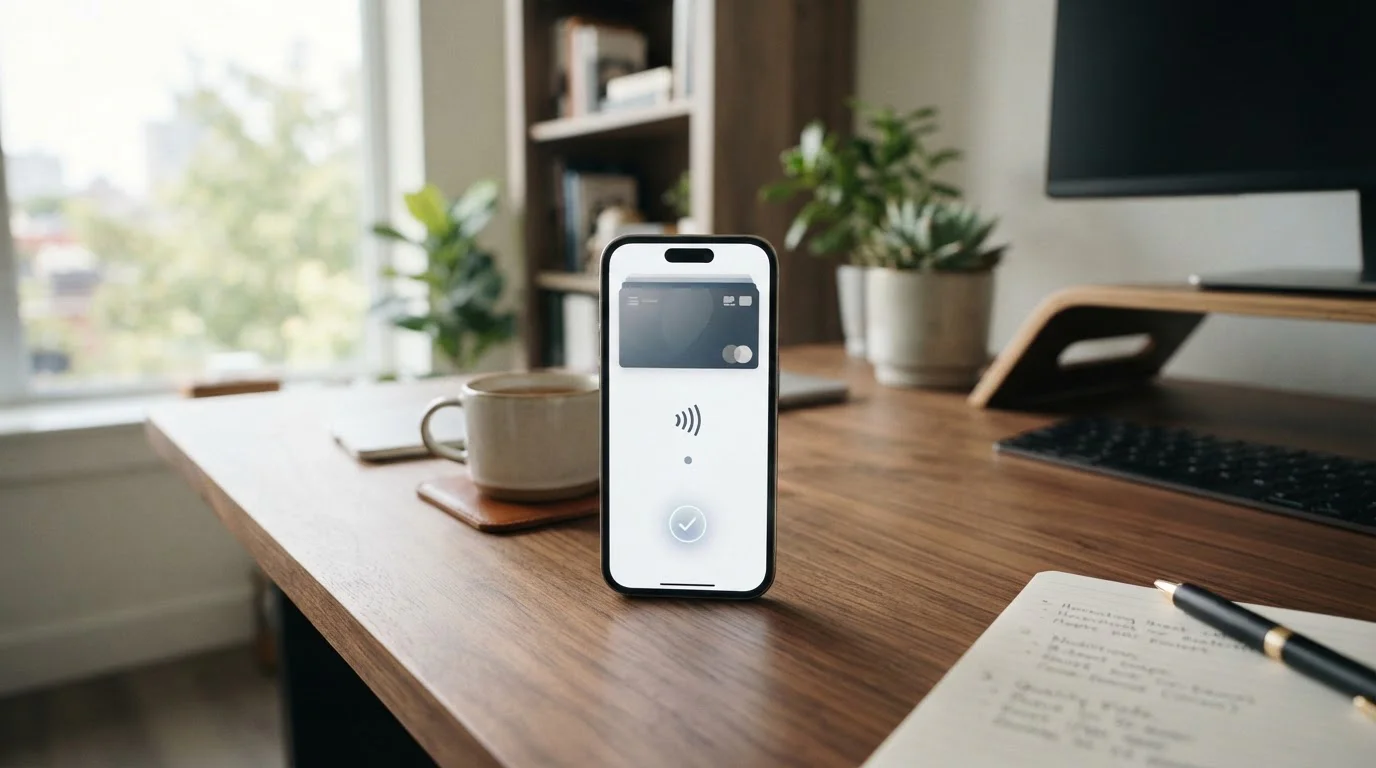
Boku filled a niche: card-free deposits charged to your phone bill. That niche still exists, but alternatives have better operator support, fewer caps, or faster withdrawal compatibility. Zimpler does phone-bill deposits like Boku but with slightly higher limits at some operators. Apple Pay and Google Pay are instant and card-backed but keep your card number away from the casino. Neteller bridges Boku and a wider casino selection via the two-step workaround. Debit cards work everywhere and withdraw to the same method, but they’re cards, which defeats the point if you wanted to keep deposits on your phone bill.
Each alternative trades off something Boku offers. Zimpler isn’t as widely available as Boku was pre-2023. Apple Pay and Google Pay require a card backing the wallet, so you’re not truly card-free. Neteller adds friction. Debit cards are the universal fallback but lack the budgeting cap that phone-bill charging provides.
Pick by priority: if you want zero fees and don’t mind limited casino choice, stick with Betable’s three Boku casinos. If you want wider selection and can tolerate a two-step process, use Neteller. If you want instant deposits and fast withdrawals from the same method, use PayPal or Trustly. If you want phone-bill charging but Boku doesn’t work, try Zimpler where available.
Zimpler (Pay-by-Mobile Alternative)
Zimpler is a Swedish payment provider operating in the UK. Functionally identical to Boku: you enter your mobile number at the casino cashier, confirm via SMS, and the charge goes to your phone bill (contract) or deducts from PAYG credit. Same carrier-billing infrastructure (EE, Vodafone, Three, O2), same £40 daily and £240 monthly PSA caps, same deposit-only limitation (you can’t withdraw to Zimpler any more than you can withdraw to Boku).
Differences: Zimpler has better penetration among Scandinavian and Northern European operators but weaker UK adoption than Boku had at its peak. Fees vary by operator integration — some charge, some don’t; there’s no single “Zimpler fee” the way Boku has a consistent 30p standard. Transaction limits also vary: some casinos allow £10-£40 via Zimpler, others cap at £30 like Boku.
Zimpler offers a companion e-wallet feature (you can deposit to Zimpler’s wallet, then deposit from the wallet to the casino), which Boku doesn’t. That wallet supports withdrawals, so if you use Zimpler’s wallet mode instead of direct carrier billing, you can withdraw back to Zimpler. But that requires a separate Zimpler account registration, which defeats the no-account appeal of carrier billing.
UK casinos accepting Zimpler in 2026: fewer than accepted Boku pre-2023, but more than accept direct Boku now. Check the casino cashier — if you see “Zimpler” or “Pay by Mobile” with a Zimpler logo, it works. If you only see Boku, Zimpler won’t be there.
Apple Pay and Google Pay
Apple Pay (iOS) and Google Pay (Android) are instant mobile-wallet deposits. You add a debit card to the wallet once (credit cards can’t be used for gambling at UKGC sites), then authorise deposits with Face ID, Touch ID, or your device PIN. The casino never sees your card number — Apple/Google generates a one-time token for each transaction. Deposit speed: instant. Withdrawal compatibility: yes, if you withdraw to the card backing the wallet (the casino processes a card withdrawal, which routes back to your bank account linked to that card).
Trade-off: these are card-backed wallets. You need a UK debit card to load into Apple Pay or Google Pay. If your goal was phone-bill deposits specifically to avoid using a card, this doesn’t help. But if your goal was keeping your card number away from the casino’s database, Apple Pay and Google Pay achieve that. Your card details stay in the wallet; the casino gets a tokenised transaction.
Limits: determined by your card’s daily limit, not carrier-billing caps. If your debit card allows £500/day in online transactions, you can deposit £500 via Apple Pay in one go. No £30-per-transaction ceiling, no £40 daily PSA cap. If you find yourself hitting Boku’s limits routinely, though, treat that as a signal to set a deposit limit at the casino rather than simply switching to a method without caps.
Fees: none from the casino or the wallet. Your bank may charge foreign exchange fees if the casino processes in a non-GBP currency, but that’s rare for UKGC-licensed operators. Most process in GBP, and UKGC operators generally absorb standard card-processing fees rather than charging players.
Acceptance: widespread. Nearly every UKGC casino added Apple Pay and Google Pay support between 2021 and 2026. You’ll find them alongside debit cards in the cashier at Betway, Ladbrokes, Grosvenor, Casumo, LeoVegas, and dozens of others. Better operator coverage than Boku or Zimpler combined.
Neteller and E-Wallets
Neteller, Skrill, and PayPal are e-wallets: you register an account, fund it via bank transfer or card, then deposit the wallet balance at casinos. Withdrawals go back to the wallet, and you transfer from the wallet to your bank account. Two-step in both directions, but the casino never touches your bank or card directly.
Neteller specifically supports Boku as a top-up method. That’s the workaround mentioned earlier: charge your Neteller account via Boku (Neteller’s cashier offers “Mobile Payment” as a funding option), then deposit Neteller balance at the casino. The casino sees a Neteller deposit; your phone bill carries the Boku charge. This unlocks any UKGC casino that accepts Neteller, which is most of them.
PayPal: widest adoption, fastest withdrawals (4-5 hours at top operators), most trusted by casual players. But PayPal doesn’t accept Boku top-ups. You fund PayPal with a card or bank account. Useful if you want casino/bank separation and fast cashouts, not useful if you specifically wanted phone-bill charging.
Skrill: similar to Neteller, slightly less UK penetration. Accepts card and bank top-ups but not Boku. Some casinos exclude Skrill and Neteller deposits from welcome bonus eligibility due to historical bonus abuse (players depositing via e-wallet, taking the bonus, withdrawing to the e-wallet, then cashing out without ever risking their own bank funds). Check bonus terms before using either.
E-wallet fees: Neteller and Skrill charge fees for certain withdrawal methods (e.g., Neteller-to-card withdrawal costs 3.99% of the amount). PayPal charges nothing for receiving casino winnings but may charge for currency conversion if you withdraw GBP casino winnings to a non-GBP PayPal balance.
When to Use Each Method
| Method | Use it if… | Main limitation |
|---|---|---|
| Boku (Betable casinos) | You want zero-fee phone-bill deposits of £30 or less per transaction | Only three casinos to choose from |
| Zimpler | Your preferred casino offers it and doesn’t offer Boku, and you’re depositing within the £40 daily / £240 monthly caps | Fee structures vary by operator |
| Apple Pay or Google Pay | You have a debit card, want to keep card details away from the casino, and need to deposit more than £30 at once | Needs a card behind the wallet |
| Neteller (via Boku top-up) | Your casino removed direct Boku but accepts Neteller, and you want phone-bill charging for budgeting | Two-step deposits (Boku → Neteller → casino) |
| PayPal | You want fast withdrawals (4–5 hours) and value brand recognition | No phone-bill charging |
| Debit card | You want universal acceptance and same-method withdrawals | Slower payouts than e-wallets |
What’s the difference between Boku and Zimpler for UK casino deposits?
Both charge deposits to your phone bill via carrier billing, but Zimpler has fewer UK casino integrations and no single standard fee like Boku’s 30p. Zimpler offers an optional e-wallet mode that supports withdrawals, whereas Boku is deposit-only. Limits are similar (£10–£40) and both sit under the £40 daily and £240 monthly PSA caps.
How does the Neteller-via-Boku workaround work?
Open a free Neteller account, then in Neteller’s cashier choose “Mobile Payment”, pick an amount (£10–£30) and confirm by SMS; the charge lands on your phone bill and your Neteller balance rises. Deposit that balance at any casino accepting Neteller. Withdrawals return to Neteller, then to your bank.
| Method | Deposit Speed | Withdrawal Capable | Fees | Transaction Limits | Best For |
|---|---|---|---|---|---|
| Boku | Instant | No | £0 (Betable casinos) or 30p elsewhere | £10-£30 per transaction, £40 daily, £240 monthly (PSA) | Phone-bill budgeting at zero-fee casinos |
| Zimpler | Instant | No (carrier billing) / Yes (e-wallet mode) | Varies by operator | £10-£40, same PSA caps | Pay-by-mobile when Boku unavailable |
| Apple Pay | Instant | Yes (to backing card) | £0 | Card daily limit | Card-free feel with card backing, higher limits |
| Google Pay | Instant | Yes (to backing card) | £0 | Card daily limit | Same as Apple Pay, Android |
| Neteller | Instant | Yes | Varies (3.99% for some withdrawals) | Set by Neteller (higher than Boku) | Boku-via-Neteller workaround, wide casino access |
| PayPal | Instant | Yes (4-5 hours) | £0 | Set by PayPal | Fast withdrawals, brand trust |
| Debit Card | Instant | Yes (1-3 days) | £0 | Card daily limit | Universal acceptance, same-method cashout |
Boku Casino Bonuses and Mobile Gaming
Boku deposits qualify for welcome bonuses at IvyCasino, Oreels, and Bet442. The usual UKGC bonus terms apply: wagering requirements (capped at 10× since 19 January 2026), game weighting (slots contribute 100%, table games 10% to 20%), time limits (7 to 30 days to clear), and maximum bet caps (£5 per spin while the bonus is active). None of the Betable casinos exclude Boku from bonus eligibility the way some operators exclude Skrill or Neteller.
Mobile gaming is native to Boku. You’re depositing via your phone already, so playing on mobile (browser or app) closes the loop. All three Betable casinos offer mobile apps or mobile-optimised browser sites. IvyCasino and Bet442 emphasise mobile-first design; Oreels has operated since 2017 and kept pace with mobile UX updates over the years.
One friction point: if you deposit via Boku on mobile but want to withdraw, you’ll need to verify a withdrawal method (debit card, bank account, PayPal) from a desktop or by uploading documents via the mobile app. KYC doesn’t disappear because you used a phone-bill deposit: your age and identity are checked before you can gamble, and a first withdrawal can trigger extra payment-method checks, regardless of deposit method.
New and Upcoming Boku Casinos in the UK
IvyCasino and Bet442 both launched in 2024, so they’re the newest Boku-accepting operators in the UK as of 2026. Oreels has operated since 2017 but migrated to Betable’s licence relatively recently, keeping it fresher than legacy brands from 2015-2016. No major UKGC licence holders have announced plans to re-add Boku after removing it. The trend remains contraction, not expansion.
New casinos in the UK market broadly focus on instant-withdrawal tech (Trustly Pay N Play), crypto integration where legally permissible, or hybrid sportsbook/casino platforms. Boku isn’t a differentiation angle for new entrants because the payment method’s UK adoption peaked pre-2023 and declined since. If a new UKGC-licensed casino launches with Boku, it’ll be newsworthy. For now, Betable’s three casinos are the holdouts.
Safety and Licensing for Boku Deposits
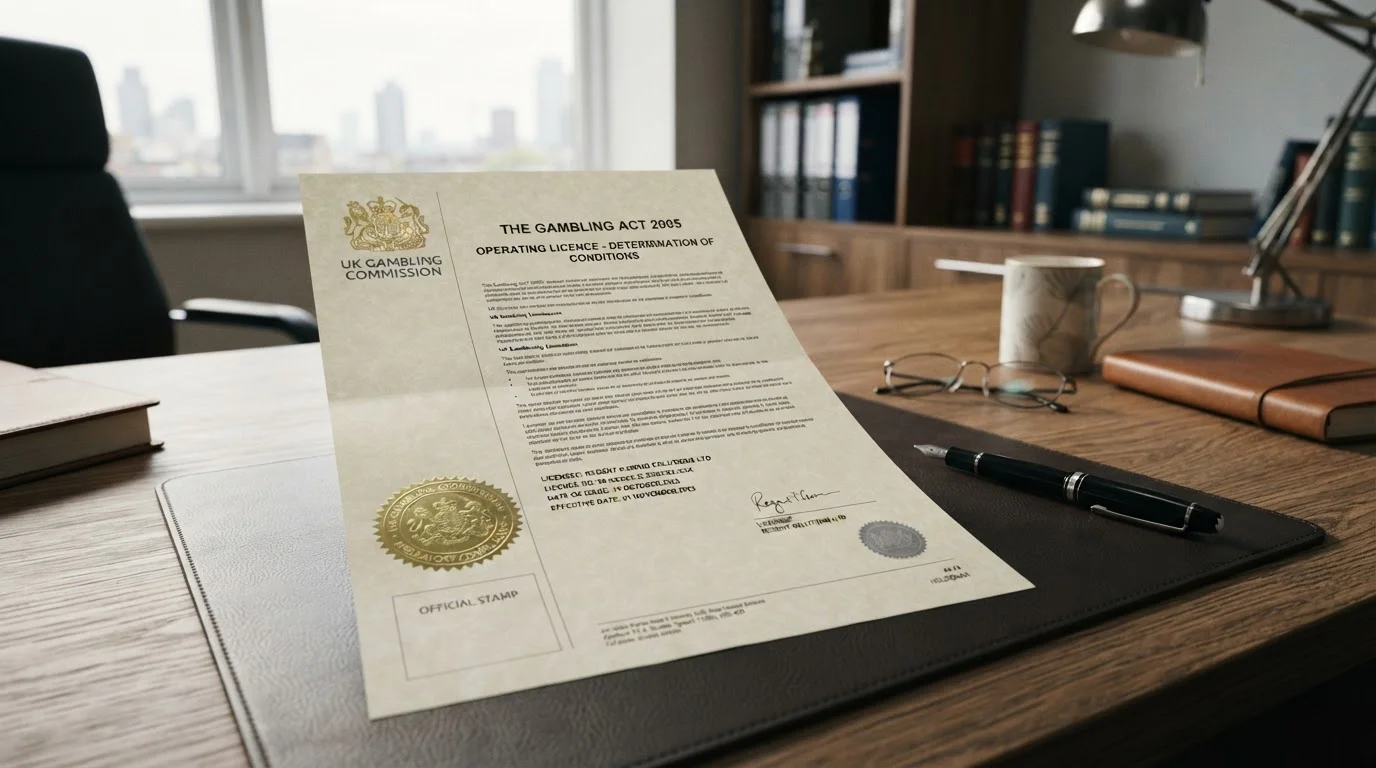
Every UKGC-licensed casino — Boku-accepting or not — must meet the same baseline: responsible gambling tools (deposit limits, session timers, self-exclusion), age and identity verification before you can gamble, AML compliance, a clear statement of how well your balance is protected if the operator becomes insolvent (not protected, medium or high), and dispute resolution through independent ADR services. Betable Limited holds the UKGC licence covering IvyCasino, Oreels, and Bet442. That licence number cross-references to the Gambling Commission’s public register, where you can check the licence status, any enforcement actions, and the licence holder’s legal entity details.
Boku itself is a payment processor, not a gambling operator. It doesn’t hold a gambling licence; it provides infrastructure connecting mobile networks to merchants. Your relationship for deposits is with the casino (licence holder), not Boku. If a deposit goes wrong (double-charged, declined but funds deducted), you dispute with the casino first, then escalate to your mobile network if the casino can’t resolve it.
UKGC Licensing Requirements
Remote casino operating licences issued by the UK Gambling Commission require:
- Age and identity verification before the customer can gamble (required since May 2019)
- Integration with GamStop (national self-exclusion register; players can block themselves from all UKGC casinos for 6 months to 5 years)
- Deposit and loss limits available to all players (daily, weekly, monthly caps set by the player, not the casino)
- Reality checks (time-played notifications at intervals the player can configure)
- Prohibition on credit-card deposits (UKGC ban in force since 14 April 2020; debit only)
- Disclosure of customer-fund protection (the operator must tell you whether your balance is not protected, or has medium or high protection, if it becomes insolvent)
- Advertising standards (no misleading bonus claims, no targeting under-25s, no ads on sites with high youth audiences)
- Social responsibility audits and annual reporting to the UKGC
Betable Limited’s UKGC licence covers remote casino, remote bingo, and remote betting. It’s a full-scope licence for online gambling, not a narrower software or platform licence. That means Betable is the accountable entity for regulatory compliance at IvyCasino, Oreels, and Bet442. If any of those brands violate UKGC rules, the Gambling Commission can fine, suspend, or revoke that licence, affecting all three sites at once.
How to Verify a Casino’s Licence
Go to the Gambling Commission’s public register: gamblingcommission.gov.uk/public-register. Search by operator name, trading name, or licence number. For IvyCasino, Oreels, or Bet442, search “Betable Limited.” The register shows the licence holder’s legal name, registered address, licence type, issue date, and any conditions, warnings, or enforcement actions attached to the licence.
A current, unencumbered licence means the operator passed the UKGC’s fit-and-proper test and maintains ongoing compliance. A suspended or revoked licence means the UKGC pulled their authorisation to serve UK customers, and you shouldn’t deposit. The register also shows the date a licence was issued, so you can see at a glance how long the holder has been regulated.
Check the register before depositing at any UK casino, Boku-accepting or otherwise. If the casino displays a UKGC logo but isn’t in the register, it’s operating illegally in the UK. If the licence is suspended, the operator cannot offer gambling to UK customers, so don’t deposit.
Non-GamStop Boku Casinos (Warning)
“Non-GamStop” casinos are offshore operators not licensed by the UKGC. They don’t participate in the UK’s national self-exclusion register (GamStop) because they’re not required to — they hold licences from Curaçao, Malta (MGA), or other jurisdictions and serve UK players from outside UK regulatory reach. Some advertise Boku or other pay-by-mobile methods, sometimes with higher advertised limits than UKGC operators, but they are not permitted to offer gambling to people in Great Britain.
The trade-offs are severe. No UKGC licence means:
- No GamStop integration (if you self-excluded from UK casinos, offshore sites won’t honour it)
- No mandatory deposit limits or loss limits
- No disclosed protection for your balance (if the casino goes bust, you may lose it)
- No UK ADR for disputes (you’re relying on the casino’s own complaints process or the licensing jurisdiction’s dispute mechanism, which varies wildly in effectiveness)
- No recourse with the Gambling Commission if something goes wrong (the UKGC can’t take enforcement action against operators it doesn’t license)
If a payout dispute arises with a non-GamStop casino, you’re on your own. The casino’s licence jurisdiction may offer dispute resolution, but Curaçao (the most common offshore licence for operators targeting UK players) has minimal enforcement. Malta (MGA) is stricter but still not as rigorous as the UKGC for player-protection requirements.
Depositing via Boku at a non-GamStop casino adds another wrinkle: if the casino refuses a withdrawal and you chargeback through your mobile network, the casino can ban your account and forfeit your balance. Carrier-billing chargebacks are rare and difficult to win because the transaction is one-way (you authorised the charge via SMS; there’s no product to “not receive” like there would be with a physical purchase).
Recommendation: if you have self-excluded through GamStop, don’t look for offshore casinos to play at — self-exclusion exists for a reason, and support is available from GamStop, GamCare (0808 8020 133) and BeGambleAware. Offshore sites give you no UK protection. Their higher limits and looser KYC aren’t perks — they’re symptoms of weaker oversight.
Choosing a Boku Casino: What to Look For
Start with the UKGC licence. If the casino isn’t in the Gambling Commission’s public register, stop. Offshore operators may accept Boku and look professional, but you’d be trading UK regulatory protection for higher limits or looser rules. Stick to UKGC-licensed sites — and if you’re on GamStop, the right move is to keep that block in place, not to look elsewhere.
Next: fee transparency. Betable’s three casinos charge zero. If you find another UKGC operator offering Boku, check whether they deduct 30p from your deposit or add it to your phone bill. The former is more common; the latter is sneakier. Some cashiers disclose the fee before you confirm the SMS; others bury it in terms. If the cashier says “deposit £10” and you see £9.70 land in your casino balance, the fee was deducted. If your phone bill shows £10.30 for a £10 deposit, the fee was added. Neither is illegal, but deduction is more transparent.
Withdrawal speed matters if you plan to cash out rather than play through. IvyCasino advertises 60-second processing for verified accounts; Oreels and Bet442 promise same-day. “Processing” doesn’t mean the money hits your bank account instantly — it means the casino approves the withdrawal request that fast. From there, the withdrawal method’s own timeline kicks in (debit card: 1-3 days, PayPal: 4-5 hours, Trustly: instant). Compare that to casinos with 24-to-48-hour pending periods before they even start processing.
Game selection: all three Betable casinos have 2,000+ games. If you’re a live-dealer regular or a specific-provider loyalist (NetEnt, Pragmatic Play, Evolution), check the casino’s game lobby before depositing. Betable’s platform uses established aggregators, so you’ll see the usual suspects, but boutique providers or exclusive studios may be absent.
Bonus terms: all three casinos offer welcome bonuses, but the caps and wagering requirements differ. IvyCasino goes up to £50, Oreels caps at £25 (a lower ceiling), both within the 10x wagering cap, Bet442 splits sports and casino (£20 free bet + 20 free spins, 0× wagering on spins). If you’re a bonus hunter, Bet442’s zero-wagering spins are the cleanest deal. If you’re a high-roller making a £500 first deposit, none of these casinos match that with a proportional bonus — you’d look elsewhere (though Boku can’t deposit £500 in one transaction anyway, so that’s moot).
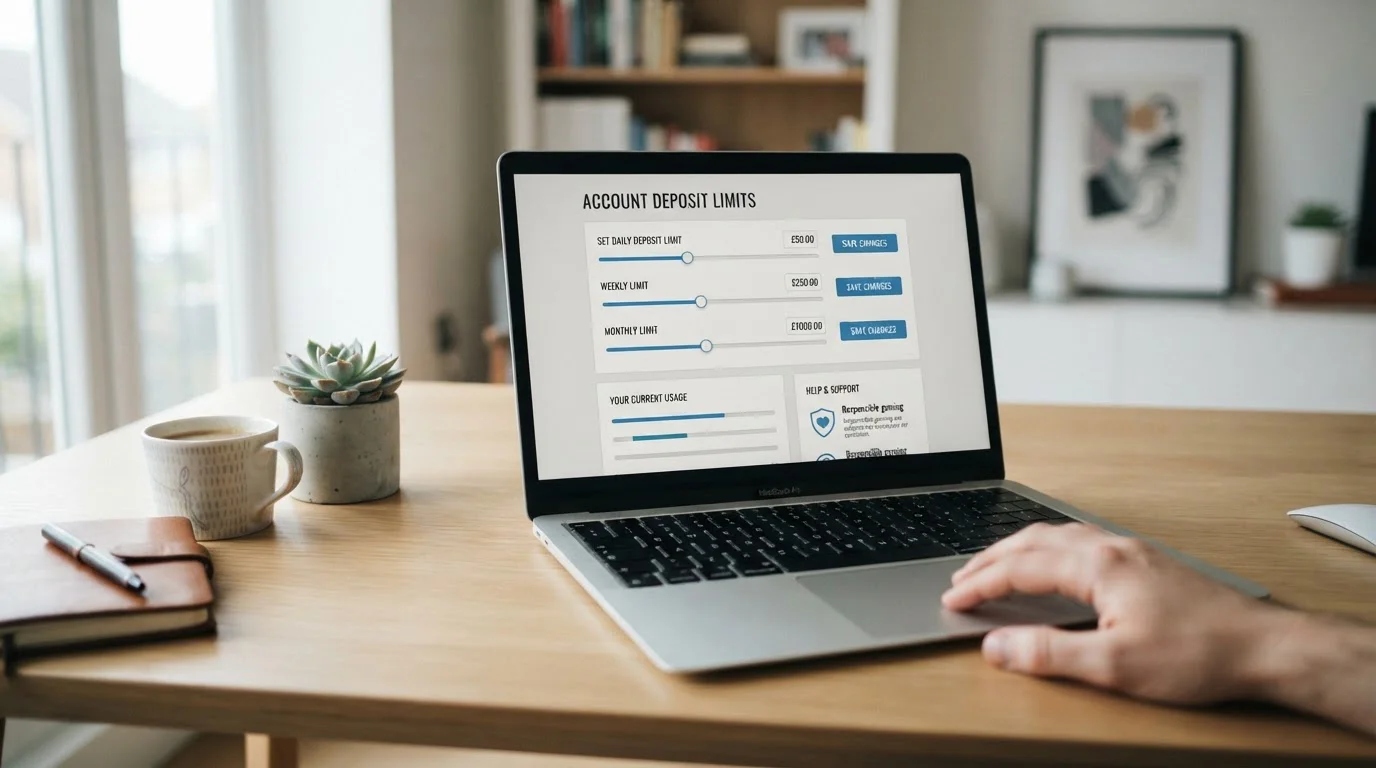
Responsible gambling tools: all UKGC operators must offer deposit limits, loss limits, session timers, and self-exclusion. Check that the casino’s account settings page makes these easy to find and set. Some operators bury the tools in submenus; others surface them prominently. If you’re using Boku specifically as a spending cap (phone-bill limit forces you to stop at £40/day), layer on a deposit limit in the casino settings for redundancy.
Finally: track record. IvyCasino and Bet442 launched in 2024, so their operational history is short. Oreels has been around since 2017, long enough to have weathered UKGC compliance audits, licence migrations, and market shifts. New doesn’t mean bad, but it does mean less data on how the operator handles disputes, withdrawal delays, or bonus-term enforcement. Check Trustpilot, AskGamblers, or UK-focused casino forums (ThePOGG, Casinomeister) for user reports before depositing.
Casino Deposit Methods UK 2026 — Compare Payment Options
Content created by the «casinopayoptions-uk.com» team