
UK Casinos Accepting Diners Club in 2026: What Actually Works
 Available in GB
Diners Club holds a peculiar position in UK gambling. Launched in 1950 as the world’s first independent charge card, it built a reputation among business travellers and high-spending professionals. By the time online casinos became mainstream, Diners Club had secured acceptance at millions of merchants worldwide through the Discover Global Network. UK players naturally assumed their Diners Club cards would work at casino cashiers the same way they worked everywhere else.
They don’t. Not anymore, and the reasons run deeper than a simple “payment method unavailable” error message at checkout.
The UK Gambling Commission banned credit cards for gambling in April 2020 under Licence Condition and Code of Practice 5.1. Diners Club, despite operating as a charge card rather than a traditional revolving credit card, falls squarely within that ban. Every UKGC-licensed casino in Britain stopped accepting it on 14 April 2020. No exceptions, no workarounds, no “VIP tier” carve-outs.
That leaves two questions: can offshore casinos fill the gap, and if not, what should UK players use instead? The offshore route sounds promising in theory—sites licensed in Malta, Curaçao, or Anjouan aren’t bound by UKGC rules and may still accept credit cards. Reality proves messier. Even offshore operators rarely support Diners Club due to payment processor limitations, and UK banks frequently decline or reclassify gambling transactions as cash advances with punishing fees.
The practical answer for most UK players is straightforward: Diners Club isn’t viable for casino deposits in 2026, and alternative payment methods deliver better speed, lower fees, and fewer approval headaches. What follows is the honest breakdown—why UKGC casinos dropped Diners Club, whether offshore casinos genuinely accept it, how deposits would work if they did, and which payment methods UK players actually use to fund accounts and cash out winnings without friction.
Diners Club at UK Online Casinos: The 2026 Reality
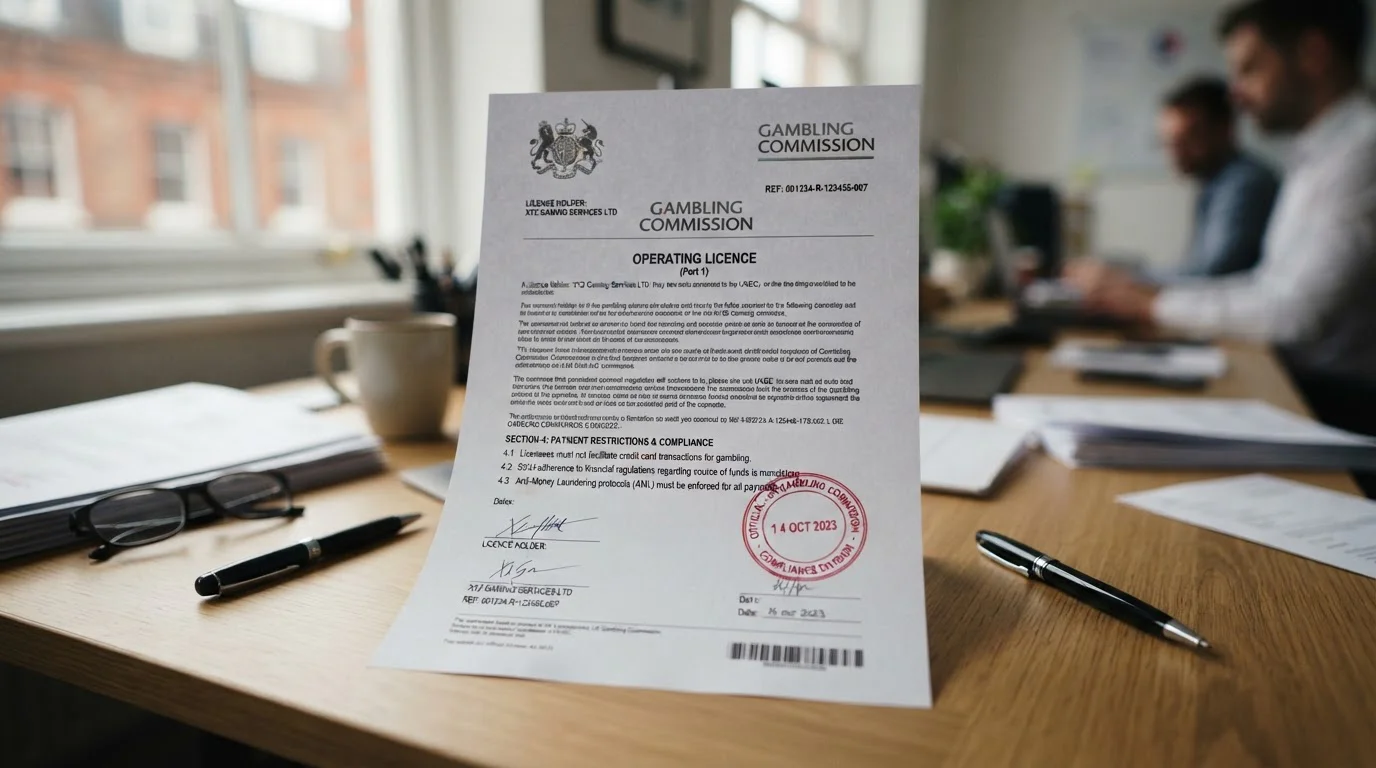
Zero UKGC-licensed casinos accept Diners Club deposits. Not a single one. The blanket nature of this reality surprises players who remember using Diners Club at UK gambling sites before April 2020 or who see vague claims online that “some casinos” still process it. Those claims either reference outdated information or conflate global availability with UK-specific restrictions.
The UK Gambling Commission’s credit card ban applies to every operator holding a UKGC licence, covering every form of credit-based payment. Diners Club cards issued in the UK are predominantly charge cards, which require full balance payment each month rather than carrying debt with interest. That structural difference doesn’t exempt Diners Club from the ban. LCCP 5.1 targets any card that extends credit for the transaction period, and charge cards qualify. Regulators viewed the ban as essential to prevent gambling with borrowed money, a primary driver of gambling-related financial harm.
UKGC-licensed casinos process roughly 95% of UK online gambling activity. Brands like Betfred, Foxy Games, Gala Casino, Sky Bet, and LeoVegas all hold UKGC licences and all stopped accepting Diners Club on the ban’s effective date. Players attempting to add Diners Club at a UKGC cashier receive rejection messages or find the card type missing from the deposit-method dropdown entirely. The few casino sites that still display Diners Club as an option in their payment menus are either operating without proper geo-filtering or listing methods unavailable to UK residents.
Diners Club Debit represents a separate product category. ISX Financial and Diners Club International launched the flykk debit card, offering a true debit variant tied directly to a bank account rather than a credit line. UKGC casinos theoretically accept debit cards, so a genuine Diners Club Debit card should work at UKGC cashiers. Market penetration remains negligible as of 2026, and the overwhelming majority of Diners Club cardholders in the UK hold the traditional charge card, not the new debit variant. For practical purposes, Diners Club availability at UKGC casinos sits at zero.
Can I use Diners Club at UK online casinos in 2026?
No. UKGC-licensed casinos cannot accept Diners Club charge cards because of the April 2020 credit card ban. Offshore sites may take credit cards, but Diners Club support is rare and UK banks often decline gambling transactions or add cash-advance fees. Visa and Mastercard debit cards are the practical default for UK players.
Why UK Casinos Stopped Accepting Diners Club
The credit card ban stemmed from mounting evidence that gambling with borrowed money amplified harm. Research presented to the Gambling Commission showed credit card gamblers were disproportionately likely to experience financial distress, accumulate unmanageable debt, and report problem gambling behaviours. Credit extended the gambling session beyond what a player could afford from available funds, delaying the natural brake of an empty account balance.
Diners Club operates as a charge card. Cardholders must pay the full statement balance each month; there’s no option to carry a balance forward with minimum payments and accruing interest like traditional Visa or Mastercard credit cards. That fundamental difference led some players to assume Diners Club might escape the ban. It didn’t. Regulators drew the line at any form of credit extended during the transaction period. Charge cards grant cardholders credit until the monthly settlement date, typically 30 to 45 days after the transaction. A player depositing £500 at a casino on the 5th of the month doesn’t pay that £500 until the statement closes, often six weeks later. The gamble happens with money the player doesn’t yet possess—borrowed funds, by regulatory definition.
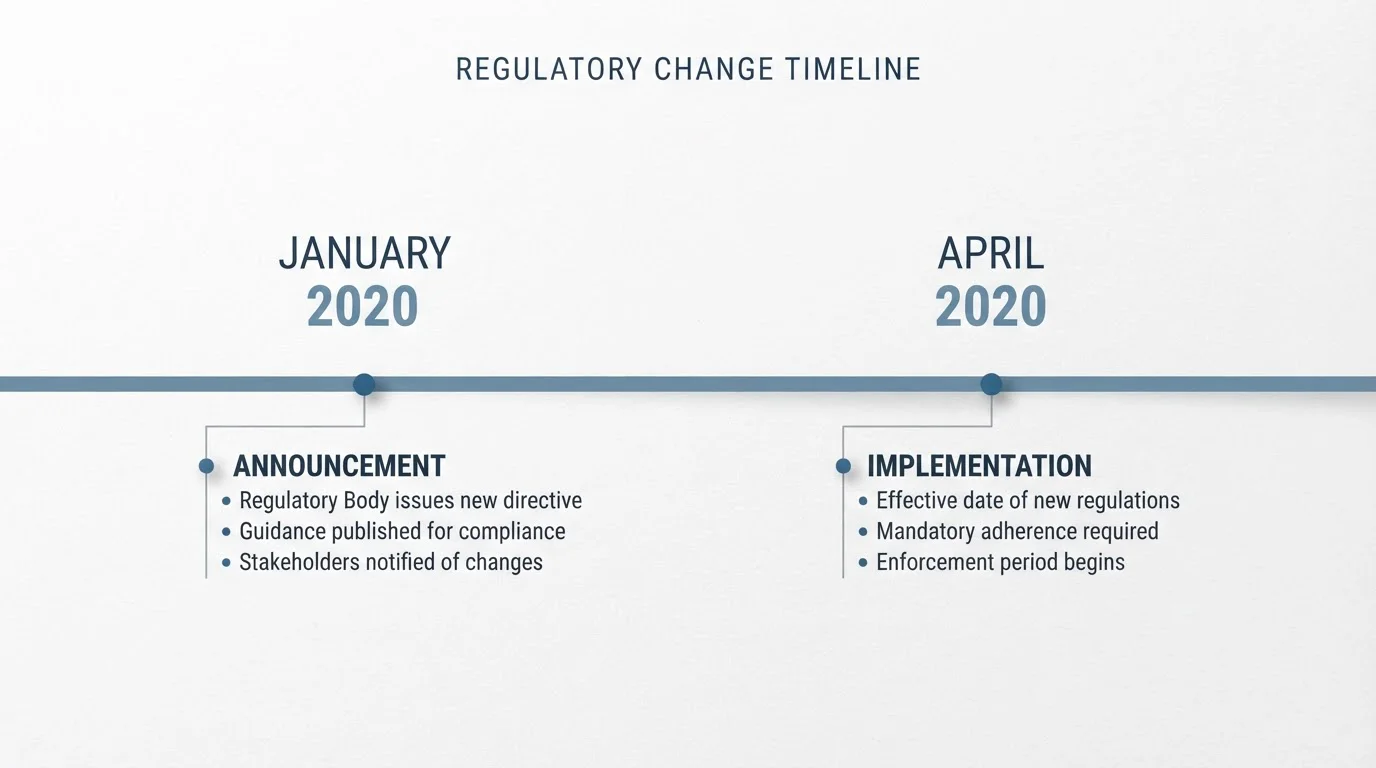
LCCP 5.1 took effect on 14 April 2020. The Gambling Commission gave operators three months’ notice, announcing the ban in January 2020. Every UKGC-licensed casino updated payment processors, removed credit card options from cashiers, and implemented transaction blocks to prevent accidental acceptance. Enforcement was immediate. Operators found accepting credit card deposits after 14 April faced licence suspensions, fines, and public censure. The Commission conducted spot checks and processed consumer complaints aggressively; no grey area remained.
The ban’s scope extended beyond standard Visa and Mastercard credit cards. American Express credit cards, Diners Club charge cards, and any payment method routed through a credit line fell under the prohibition. E-wallets funded by credit cards remained acceptable—players could load PayPal or Skrill with a credit card and then deposit from the e-wallet to the casino—but direct card-to-casino credit deposits became universally blocked at UKGC sites. The logic: once funds reached an e-wallet, they existed as a discrete balance rather than a borrowed line, removing the psychological disconnect between gambling and debt.
The Gambling Commission published an evaluation report in July 2024 assessing the ban’s first four years. Problem gambling rates among credit card users dropped 30% following implementation. Financial harm indicators—County Court Judgments related to gambling debt, insolvency filings citing casino losses, complaints to debt charities about gambling-linked borrowing—declined measurably. The regulator classified the ban as a permanent policy success, with no indication of reversal or softening.
Diners Club itself holds no special exemption status. Its premium positioning, business-focused cardholder base, and charge-card structure didn’t sway regulators. The Commission’s stance: any distinction between “charge card” and “credit card” matters for banking regulation but not for gambling harm reduction. If the transaction uses funds the player doesn’t currently hold in a bank account, it’s credit. Diners Club qualifies.
Why did UK casinos stop accepting Diners Club?
The UK Gambling Commission banned all credit card gambling payments on 14 April 2020 under LCCP 5.1 to stop gambling with borrowed money. Diners Club, though a charge card requiring full monthly payment, extends credit during the transaction period, so it falls within the ban. Every UKGC casino stopped accepting it that day.
UKGC-Licensed vs. Offshore Casinos: Where Diners Club Might Work

The credit card ban applies exclusively to UKGC-licensed operators. Casinos holding offshore licences—issued by the Malta Gaming Authority, Curaçao eGaming, or the Anjouan Offshore Finance Authority—are not bound by LCCP 5.1 and may accept credit card deposits. That creates the theoretical space for Diners Club to work offshore, but it comes with a serious caveat: any operator offering gambling to customers in Great Britain without a UKGC licence is acting unlawfully, and players who use those sites lose every UK consumer protection.
Theory doesn’t guarantee practice. Offshore casinos serving UK players face a payment processor bottleneck. Even when the casino’s licence permits credit cards, the payment gateway connecting the casino to the card networks must also support the card type. Diners Club holds a fraction of the market share commanded by Visa and Mastercard. Payment processors prioritise the card networks that deliver the highest transaction volumes; Diners Club support ranks low on that list. Many offshore casinos list Visa and Mastercard credit as accepted methods but omit Diners Club entirely because their processor doesn’t route it.
A second barrier emerges on the player’s side. UK banks scrutinise gambling transactions to offshore merchants more aggressively than domestic UKGC-licensed operators. Card issuers cannot legally block gambling transactions outright—UK players have the right to gamble at licensed offshore sites—but banks apply risk controls. Transactions to Curaçao or Anjouan-licensed casinos frequently trigger fraud alerts, leading to automatic declines until the cardholder contacts the bank to authorise the payment. Diners Club issuers in the UK apply similar controls. Even if an offshore casino’s cashier accepts Diners Club in principle, the transaction may fail at the issuing bank’s fraud detection layer.
Merchant Category Code 7995 governs gambling transactions in card network rules. Banks and issuers may classify MCC 7995 transactions as cash advances rather than standard purchases, particularly when the merchant operates offshore. Cash advances carry immediate fees and higher interest rates. Cardholders can face cash advance fees of 5% or £10, whichever is greater, on gambling transactions coded as cash advances. That £10 minimum applies even to a £20 deposit, effectively a 50% surcharge. Interest accrues from the transaction date with no grace period, unlike purchase transactions that enjoy interest-free periods until the statement closes.
The trade-offs covered in this section line up as follows:
| Factor | UKGC-Licensed Casinos | Offshore Casinos |
|---|---|---|
| Diners Club deposits | Not accepted (credit card ban, LCCP 5.1) | Rarely listed; often fails at processor or issuer |
| Credit cards generally | Banned since 14 April 2020 | Visa and Mastercard credit sometimes listed |
| Cash advance coding risk | Not applicable | Common; 5% or £10 fee, interest from day one |
| GamStop self-exclusion | Mandatory | Does not apply |
| Dispute resolution | Operator complaints process, then an approved ADR provider such as IBAS | Licensing jurisdiction’s own mechanism, often slow |
| Typical withdrawal times | 1 to 3 days | 3 to 7 business days |
| Bonus wagering | Capped at 10x | Frequently 40x to 50x |
UKGC-Licensed Casinos: Zero Acceptance
UKGC-licensed casinos represent the vast majority of UK online gambling. Sites like Betfred Casino, Foxy Games, Heart Casino, Gala Casino, Sky Vegas, LeoVegas UK, and Casumo UK all hold UKGC licences and comply fully with LCCP 5.1. None accept Diners Club. None accept any credit card. The payment methods available at UKGC cashiers consist exclusively of debit cards (Visa, Mastercard, Maestro), e-wallets (PayPal, Skrill, Neteller, Payz), prepaid vouchers (paysafecard), bank transfers (Trustly, Pay by Bank), and mobile wallets (Apple Pay, Google Pay).
Players value UKGC licensing for consumer protections. UKGC rules require every operator to tell players how well their balances are protected if the business fails—not protected, medium or high protection—so you can check the level before depositing. UKGC operators must participate in GamStop, the national self-exclusion scheme that blocks problem gamblers from all licensed sites simultaneously. Complaints go first through the operator’s own process and then, if unresolved, to an approved alternative dispute resolution provider such as the Independent Betting Adjudication Service, providing players with formal recourse when operators act improperly. Marketing practices, bonus terms, withdrawal processing, and responsible gambling tools all face strict regulatory oversight.
Diners Club cardholders seeking UKGC-licensed play must switch payment methods. No technical workaround exists. VPN use to disguise geographic location won’t bypass payment processor geo-blocks; the card issuer’s country code and billing address determine eligibility, not the player’s IP address. UKGC casinos verify identity documents during account setup, cross-referencing UK residency against payment method registration details. Mismatched information triggers account suspension until resolved.
Offshore Casinos: Theoretical Availability, Practical Barriers
Offshore casinos occupy a legal grey zone for UK players. Operating a casino that serves UK customers without a UKGC licence is illegal for the operator, although the player commits no offence. The distinction matters, but it does not make those sites safe. MGA-licensed casinos in Malta, for instance, hold legitimate EU gambling licences, yet an MGA licence alone does not authorise an operator to serve customers in Great Britain—that requires a UKGC licence. Curaçao-licensed operators hold licences issued by the Curaçao eGaming Authority, recognised internationally but carrying lighter consumer protections than UKGC or MGA regimes. Anjouan-licensed sites operate under the Autonomous Island of Anjouan’s offshore finance authority, widely considered the weakest regulatory framework in the offshore gambling sector.
Offshore casinos that accept credit cards typically list Visa and Mastercard. Diners Club appears far less frequently, and where it does appear, actual functionality is inconsistent. Some cashiers display Diners Club but return “payment method unavailable” errors when a UK card is entered. Others route the transaction through to the authorisation stage, only for the UK-based card issuer to decline it. Where a deposit does go through, the issuer may apply cash advance coding, triggering immediate fees.
The payment processor landscape shifts constantly. Offshore operators rotate processors frequently to maintain card network access; Visa and Mastercard periodically blacklist processors servicing high-risk merchants, forcing casinos to find new partners. Diners Club support proves especially volatile. A casino listing Diners Club in Q1 may lose that option by Q3 when the processor changes. For players, that means a cashier menu listing Diners Club is no guarantee the option still works.
Consumer protections erode at offshore casinos. There is no UK requirement to tell you how your balance is protected if the operator fails. GamStop doesn’t apply, offering no self-exclusion safety net. Dispute resolution depends on the licensing jurisdiction’s complaint mechanisms, often slow and opaque compared to IBAS. Withdrawal processing times stretch longer, commonly 3 to 7 business days versus 1 to 3 days at UKGC sites. Bonus terms carry higher wagering requirements, frequently 40x to 50x versus the UKGC’s 10x cap.
UK banks increasingly block payments to offshore gambling merchants. Open Banking regulations give consumers the right to authorise payments to legal businesses, but banks retain fraud prevention discretion. A player’s first deposit to a Curaçao casino may succeed; the second might be declined as the bank applies velocity controls or flags the merchant as high-risk. Those blocks are a deliberate safeguard, and many UK banks also let customers switch on gambling blocks themselves; they are not something to work around.
Are there any offshore casinos that accept Diners Club from UK players?
A small number of offshore casinos list Diners Club, but functionality is inconsistent. Processor support is rare, UK banks often decline offshore gambling transactions or treat them as cash advances, and none holds a UKGC licence, so no UK protection applies. A UKGC casino with a debit card is the practical answer.
How Diners Club Deposits Work (Where Accepted)

Diners Club deposits operate identically to standard credit card deposits in jurisdictions where they remain permitted. The player navigates to the casino cashier, selects Diners Club from the payment method dropdown, and enters the card number, expiry date, and CVV security code. The casino routes the transaction through its payment processor to the Discover Global Network, which passes the authorisation request to the issuing bank. Approval or decline returns within seconds. Approved deposits appear in the player’s casino account balance immediately, available for wagering without delay.
Deposit limits vary by casino and card issuer. Typical casino minimum deposits range from £10 to £25. Maximum single-transaction limits at offshore casinos accepting Diners Club commonly cap at £500 to £1,000, though higher limits may apply for VIP accounts or through direct negotiation with casino support. Card issuer limits represent the binding constraint. Diners Club cardholders set their own credit limits in consultation with the issuing bank, often higher than standard credit card limits due to the premium positioning of the product. A cardholder with a £10,000 monthly limit faces no issuer-side barrier to a £1,000 casino deposit, but gambling transactions may trigger additional authorisation checks even within approved limits.
Processing times are instant from the player’s perspective. Once authorised, funds credit the casino account in real time. Back-end settlement between the casino’s acquiring bank and the cardholder’s issuing bank occurs later, typically within 24 to 48 hours, but the player begins gambling immediately upon approval. This instant availability represents a key appeal of card deposits compared to manual bank transfers, which can take longer to reflect once operator checks are included.
Fees split between casino-side and player-side charges. Most casinos absorb card processing fees and advertise “no deposit fees” to players, building processor costs into the overall business model. Diners Club charges merchants higher interchange fees than Visa or Mastercard due to its smaller network and premium cardholder base, but players typically don’t see those costs passed through directly. The player-side fee risk emerges if the issuing bank codes the transaction as a cash advance. Cash advance fees apply immediately and are added on top of the transaction. A £100 deposit with a 5% cash advance fee funds the casino with the full £100 but uses £105 of the card’s available credit. Both amounts appear on the next statement, with interest accruing from the transaction date.
Currency conversion introduces another cost layer for UK players depositing at casinos operating in euros or US dollars. Diners Club processes transactions in the merchant’s currency, then converts to GBP at Diners Club’s exchange rate with an added foreign transaction fee, typically 2.5% to 3%. A £100 deposit to a euro-denominated casino might cost £102.50 after conversion markup. UKGC casinos operate in GBP exclusively, eliminating this friction, but offshore casinos often default to euros or dollars, exposing UK players to conversion costs on both deposits and withdrawals.
Security protocols for Diners Club transactions mirror industry standards. 3D Secure authentication (ProtectBuy, Diners Club’s implementation) adds a second verification layer, requiring the cardholder to enter a one-time password sent via SMS or generated by the Diners Club app. This step prevents unauthorised use even if card details are stolen. Not all casinos enforce 3D Secure—enforcement depends on the payment processor’s risk settings and the acquiring bank’s requirements—but its presence reduces fraud risk and may lower cash advance coding likelihood, as issuers view authenticated transactions as lower-risk.
Chargebacks represent the nuclear option for disputed transactions. Diners Club cardholders can dispute charges they didn’t authorise or that violate merchant terms. Gambling chargebacks prove difficult to win. Card network rules generally side with merchants on gambling disputes unless clear fraud occurred. A player claiming they didn’t receive the service after gambling and losing has no chargeback grounds; the service (access to games) was delivered as agreed. Unauthorised transactions or processing errors qualify for chargebacks, but those scenarios arise rarely at legitimate casinos. Filing a gambling chargeback also risks account closure at the casino and potential blacklisting across the operator’s network.
Do UK banks charge fees for Diners Club gambling transactions?
UK banks may treat Diners Club gambling transactions as cash advances rather than purchases, especially offshore. Cash-advance fees are typically 5% of the value or £10, whichever is greater, with interest from the transaction date and no grace period. Since UKGC sites no longer accept Diners Club, this applies only to offshore casinos.
Best Alternatives to Diners Club for UK Players in 2026
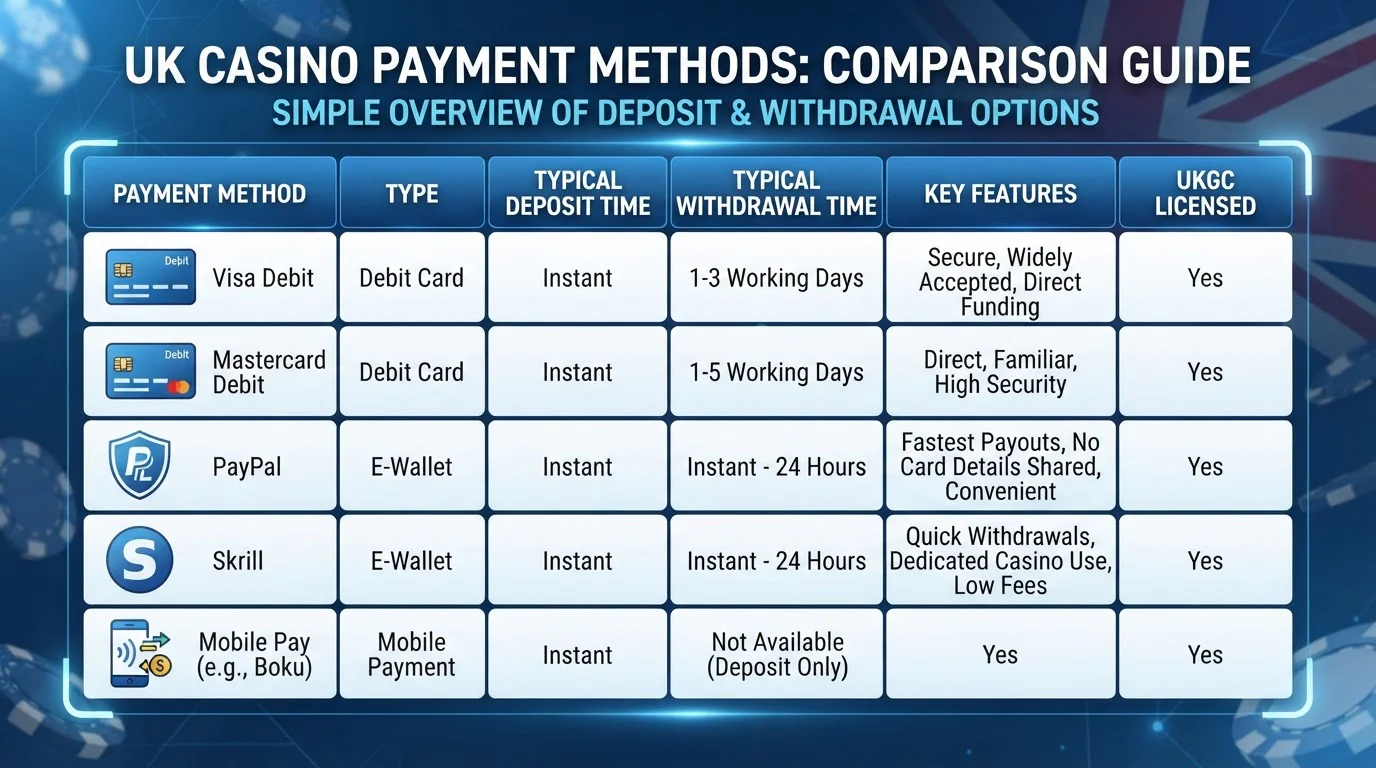
Diners Club’s unavailability at UKGC casinos and sporadic support at offshore sites pushes UK players toward alternatives that deliver universal acceptance, faster withdrawals, and lower fees. Seven payment methods dominate the UK online casino market, each with distinct advantages matching specific player priorities. Debit cards offer familiar convenience and universal acceptance. PayPal provides the fastest withdrawals and strongest brand trust. Skrill and Neteller serve players who want fast e-wallet payouts without using PayPal. Paysafecard delivers anonymity for privacy-focused users. Apple Pay and Google Pay streamline mobile deposits with biometric authentication.
The comparison isn’t merely functional. Players switching from Diners Club often valued specific attributes—premium positioning, consolidated statements, global acceptance—that the charge card provided in non-gambling contexts. Finding an alternative means identifying which attribute mattered most. Speed-focused players prioritise PayPal. Privacy advocates lean toward paysafecard. Players who already hold a Skrill or Neteller balance for other online spending often stick with it for casino payments.
| Payment Method | Deposit Speed | Withdrawal Speed | Typical Limits | Best For |
|---|---|---|---|---|
| Visa Debit | Instant | 1–5 days | £10–£10,000 | Universal acceptance, simplicity |
| Mastercard Debit | Instant | 1–5 days | £10–£10,000 | Universal acceptance, bank rewards |
| PayPal | Instant | 0–24 hours | £10–£5,000 | Fastest withdrawals, maximum trust |
| Skrill | Instant | 0–24 hours | £10–£10,000 | Fast e-wallet payouts, high limits |
| Neteller | Instant | 0–24 hours | £10–£10,000 | Fast e-wallet payouts, high limits |
| Paysafecard | Instant | Not available | £10–£500 | Anonymity, no bank account needed |
| Apple Pay | Instant | 1–5 days | £10–£5,000 | Mobile-first convenience |
| Google Pay | Instant | 1–5 days | £10–£5,000 | Mobile-first convenience (Android) |
Visa Debit and Mastercard Debit: Universal Acceptance
Visa and Mastercard debit cards work at every UKGC-licensed casino without exception. Issued by high street banks, online banks, and building societies, these cards draw funds directly from the cardholder’s current account rather than extending credit. The lack of credit exposure keeps them outside LCCP 5.1’s scope, making them the default payment method for UK online gambling post-April 2020.
Deposits land instantly. Players enter their 16-digit card number, expiry, and CVV at the casino cashier; authorisation completes within seconds; funds appear in the casino balance ready for play. Minimum deposits typically start at £10, with maximums ranging from £5,000 to £10,000 per transaction depending on the casino’s payment processor and the player’s daily bank limits. Most UK banks cap single debit card transactions at £5,000 for fraud prevention, though players can request temporary increases by contacting their bank.
Withdrawals return to the same debit card used for deposits, adhering to anti-money laundering rules requiring payout routes to match deposit sources. Processing times span 1 to 5 business days. Casinos typically approve withdrawal requests within 24 hours, after which the payment enters the banking system for settlement. Faster Payment Service transfers clear within hours, but card network rules route casino payouts through the slower BACS system, adding 2 to 3 days. E-wallet withdrawals beat debit cards decisively on speed, but debit card payouts eventually arrive without requiring a separate account setup.
Fees are universally absent at UKGC casinos. Operators don’t charge players for debit card deposits or withdrawals, and UK banks don’t levy gambling-specific fees on debit transactions. Some banks allow customers to block gambling merchants entirely through voluntary controls, but absent that self-imposed block, debit card gambling transactions process exactly like any other purchase. Foreign transaction fees apply if the player deposits at a casino operating in a non-GBP currency, but UKGC casinos transact in pounds, eliminating that concern.
Security mirrors credit card standards. Visa Secure and Mastercard Identity Check (both implementations of 3D Secure) require biometric or one-time password authentication for online transactions, reducing fraud risk. UK banks also monitor for unusual activity; a sudden large deposit to a new casino may trigger a fraud alert, temporarily blocking the transaction until the cardholder confirms intent. That friction protects against unauthorised use but can frustrate legitimate players if their bank’s risk model proves overzealous.
Debit cards lack the consumer protection chargeback rights that credit cards carry under Section 75 of the Consumer Credit Act. Disputed debit card transactions fall under the less robust chargeback scheme operated by card networks, which rarely sides with players in gambling disputes. Lost funds due to casino fraud or non-payment of winnings are harder to recover through debit card chargebacks than through e-wallet dispute processes or credit card Section 75 claims. That trade-off rarely matters at UKGC-licensed casinos, where regulatory oversight and mandatory disclosure of how player funds are protected make outright fraud uncommon, but it carries weight for players considering offshore operators.
PayPal: Fastest Withdrawals and Maximum Trust
PayPal dominates the UK e-wallet market with 60% to 70% acceptance at UKGC-licensed casinos. Not every operator integrates PayPal—merchant fees run higher than debit card processing costs, prompting smaller casinos to skip it—but major brands including Foxy Bingo, Betfred Casino, Hollywoodbets, Sky Vegas, and LeoVegas UK all support PayPal deposits and withdrawals.
Deposits clear instantly. Players log into their PayPal account at the casino cashier, authorise the transfer, and see funds in their casino balance within seconds. No card details pass to the casino; PayPal acts as an intermediary, drawing from the linked bank account or PayPal balance and forwarding the payment to the casino. This separation appeals to privacy-conscious players who prefer not to share bank details directly with gambling operators.
Withdrawals to PayPal set the speed benchmark for UK online casinos. Withdrawal times at the fastest UKGC casinos typically land within a few hours, with some casinos processing PayPal payouts in under 3 hours. Once funds reach the player’s PayPal account, they can transfer to a linked bank account (1 business day) or spend directly via PayPal’s debit card or online checkout integrations. This speed advantage proves decisive for players who value liquidity and want access to winnings without multi-day delays.
PayPal charges no fees to UK users for gambling transactions. Deposits and withdrawals pass through at no cost to the player. PayPal funds its operations through merchant fees paid by casinos, not customer-side charges. Currency conversion fees apply if a player deposits to a non-GBP casino, but UKGC operators transact in pounds, avoiding that scenario. Players funding their PayPal account with a credit card face cash advance risks from their card issuer, but funding via bank transfer or maintaining a PayPal balance eliminates credit-related complications.
Limits vary by casino and PayPal account status. Verified PayPal accounts—those linked to a confirmed bank account and identity-verified through PayPal’s KYC process—enjoy higher transaction limits than unverified accounts. Typical casino deposit limits for PayPal range from £10 minimum to £5,000 maximum per transaction. Withdrawal limits mirror deposit limits, though some casinos cap PayPal withdrawals lower than debit card or bank transfer withdrawals due to higher processing costs.
PayPal’s terms of service prohibit gambling transactions to unlicensed operators. UKGC-licensed casinos qualify as licensed operators, making PayPal use fully compliant. Offshore casinos serving UK players without a UKGC licence cannot integrate PayPal for those players, even if they’d like to offer it. This restriction benefits UK players by providing a bright-line filter: if a site claims to take PayPal from UK customers but does not appear on the UKGC public register, treat the claim with suspicion.
Dispute resolution through PayPal offers stronger protections than debit card chargebacks. PayPal’s buyer protection programme covers unauthorised transactions and non-receipt of services. Gambling disputes prove nuanced—players cannot claim non-receipt after losing fairly—but unauthorised transactions or technical errors qualify for PayPal intervention. Filing a dispute freezes the transaction while PayPal investigates, potentially reversing the charge if the casino acted improperly. This protection layer justifies PayPal’s premium merchant fees and explains its popularity among UK players who prioritise security and recourse options.
Skrill and Neteller: Gambling-Focused E-Wallets
Skrill and Neteller, both subsidiaries of Paysafe Group, occupy a distinct niche among UK payment methods. Both were built with online gambling in mind, both are long-established at UKGC-licensed casinos, and both offer withdrawal speeds that rival PayPal. Their wider international footprint also makes them popular with players who use the same wallet for non-gambling payments abroad.
Acceptance rates at UKGC casinos run 70% to 80% for both e-wallets. Slightly lower than debit card universality but higher than PayPal, reflecting Skrill and Neteller’s long-standing presence in the gambling sector. Many casinos list both e-wallets interchangeably, as their functionality and fee structures closely align. Players pick one based on minor preference differences or historical account balances rather than meaningful feature gaps.
Deposits process instantly. Players log into their Skrill or Neteller account through the casino cashier, authorise the transfer, and receive immediate casino account credit. Both e-wallets impose a 1% deposit fee on gambling transactions, deducted from the transferred amount. A £100 deposit costs the player £101, or the casino receives £99 if the fee is deducted from the deposit amount rather than charged separately. This fee structure distinguishes Skrill and Neteller from PayPal, which charges no player-side fees.
Withdrawals typically clear within 24 hours, matching PayPal’s speed at most UKGC casinos. Some operators process Skrill and Neteller payouts in under 12 hours. Once funds reach the e-wallet, players can withdraw to a linked bank account (1 to 3 business days depending on the bank), spend via the Skrill or Neteller prepaid Mastercard, or transfer to another e-wallet user. Withdrawal fees from the e-wallet to a bank account vary by currency and transfer method, typically £5.50 for standard transfers or 1% for instant transfers.
Limits scale with account verification level. Unverified Skrill and Neteller accounts face low transaction caps, often £100 to £500, intended for testing rather than regular use. Verified accounts, requiring government ID and proof of address, unlock limits up to £10,000 per transaction and £100,000 per month, depending on jurisdiction and account history. VIP accounts, earned through transaction volume, enjoy even higher limits and reduced fees. Most serious UK players operate verified accounts, rendering the low-tier limits irrelevant.
Many UKGC casinos exclude Skrill and Neteller deposits from bonus eligibility. This exclusion stems from the e-wallets’ popularity among “bonus abusers” who exploit welcome offers with minimal risk, using the e-wallets’ instant withdrawals to extract value before completing wagering requirements. Casinos respond by barring Skrill and Neteller deposits from triggering bonuses or by offering smaller bonuses to e-wallet depositors. Players prioritising bonus value should check terms before depositing via Skrill or Neteller; those indifferent to bonuses won’t notice the restriction.
One caution applies here. Skrill and Neteller are also widely integrated at offshore Curaçao and Anjouan sites, which is why they appear so often in “non-GamStop” marketing. That availability is not a recommendation. If you have self-excluded through GamStop, the exclusion exists for a reason: offshore sites give no UK protection, and moving money through an e-wallet to reach them undermines the decision you made. Free, confidential support is available from GamStop, GamCare (0808 8020 133) and BeGambleAware. Used at UKGC-licensed casinos, Skrill and Neteller are simply fast, well-regulated e-wallets with a small fee attached.
Paysafecard: Anonymous Deposits Without a Bank Account
Paysafecard operates as a prepaid voucher system. Players purchase 16-digit PIN codes at retail locations—newsagents, supermarkets, petrol stations—then redeem those codes at casino cashiers. No bank account, no card, no identity verification required for voucher purchase. The anonymity appeals to privacy-focused players and those without traditional banking access.
UKGC casino acceptance exceeds 80%, making paysafecard widely available despite its niche use case. Deposit minimums match voucher denominations, typically £10, £25, £50, or £100. Players enter the 16-digit PIN at the casino cashier, funds transfer instantly, and the voucher balance decreases by the deposited amount. Partially used vouchers retain remaining value for future use. Multiple vouchers can be combined in a single deposit if the casino’s payment processor supports aggregation.
Paysafecard is deposit-only. Withdrawals cannot return to a paysafecard voucher. Players must nominate an alternative withdrawal method—debit card, e-wallet, or bank transfer—during account setup or when requesting their first cashout. This asymmetry complicates the payment flow. Players fond of paysafecard for its anonymity lose that privacy layer on withdrawal, as the outbound payment method requires identity verification under UKGC AML rules. The deposit stays anonymous, but cashing out doesn’t.
Fees are absent at point of voucher purchase; paysafecard vouchers sell at face value. Casinos rarely charge deposit fees for paysafecard transactions. Dormancy fees apply to unused vouchers: paysafecard deducts £3 per month from vouchers inactive for 12 months or longer, draining them slowly until depleted. Players should use vouchers promptly or consolidate balances in a “my paysafecard” account, which waives dormancy fees in exchange for identity registration (negating the anonymity benefit).
Limits cap lower than card or e-wallet methods. Single vouchers max out at £100 in the UK. Aggregating multiple vouchers in one transaction raises the effective limit to £500 or £1,000, depending on the casino’s processor. High-stakes players find paysafecard impractical for that reason. Low-stakes and casual players value the spend control: purchasing a £50 voucher creates a hard deposit ceiling, preventing impulsive over-spending that cards or e-wallets enable.
Paysafecard’s anonymity erodes under UKGC rules. While voucher purchase requires no ID, UK casinos must verify every player’s age and identity before they can gamble at all, and they carry out enhanced due diligence on suspicious activity. A player depositing via paysafecard has therefore already been identified by the casino, rendering the initial anonymity symbolic rather than practical for serious play. Privacy-focused players appreciate the deposit-side separation of gambling activity from bank statements, but full anonymity remains unattainable within UKGC’s regulatory framework.
Apple Pay and Google Pay: Mobile-First Convenience
Apple Pay and Google Pay represent the fastest-growing payment methods at UKGC casinos, driven by mobile gambling’s rise and the methods’ frictionless user experience. Acceptance rates reached 40% to 60% of UKGC operators by 2026, up from under 20% in 2023, reflecting accelerating integration as payment processors add native support.
Deposits via Apple Pay or Google Pay execute in seconds. Players select the mobile wallet at the casino cashier, authenticate via Face ID, Touch ID, or fingerprint (depending on device), and confirm the payment. No need to enter card details, expiry dates, or CVV codes. The mobile wallet links to the player’s underlying debit card; the transaction routes through the card network, but the player interacts only with the biometric prompt. This streamlined flow particularly suits mobile casino apps, where typing 16-digit card numbers on a smartphone keyboard proves cumbersome.
Both mobile wallets link to debit cards, not credit cards, in the UK gambling context. While Apple Pay and Google Pay theoretically support credit card funding, UKGC’s credit card ban means the linked card must be a debit card for gambling transactions. The mobile wallet itself doesn’t extend credit; it simply tokenises the underlying debit card, routing the transaction through secure NFC protocols. Deposit limits, fees, and processing times mirror the linked debit card’s characteristics.
Withdrawals don’t return to Apple Pay or Google Pay directly. Payouts route to the underlying debit card, following the same settlement process as standard debit card withdrawals. Processing times span 1 to 5 business days, identical to direct debit card payouts. The mobile wallet serves as a deposit convenience layer, not a full-circle payment method. Players hoping for e-wallet-style withdrawal speed won’t find it here; the mobile wallet’s advantage lies in deposit ease, not payout velocity.
Security benefits derive from tokenisation. Apple Pay and Google Pay never transmit actual card numbers to merchants. Instead, they generate one-time-use tokens unique to each transaction, preventing card detail theft even if the casino’s systems are compromised. Biometric authentication adds a second layer, ensuring only the authorised device holder can initiate payments. This combination makes mobile wallets arguably more secure than direct card entry, as stolen card numbers can’t be reused from transaction logs.
Device dependency represents the main limitation. Apple Pay requires an iPhone, iPad, or Apple Watch; Google Pay requires an Android device. Players switching devices or those who gamble primarily on desktop miss the convenience. Some casinos integrate Apple Pay and Google Pay in desktop browsers via QR code scanning—player scans a code with their phone, authenticates, and completes payment—but this workflow feels clunkier than native mobile app integration. Mobile-first players gain the most value; desktop-focused players see little advantage over direct debit card entry.
What are the best alternatives to Diners Club for UK casino deposits?
Visa and Mastercard debit cards offer universal acceptance, working at every UKGC casino with instant deposits. PayPal delivers the fastest withdrawals and strong trust, accepted at a large number of UKGC sites. Skrill and Neteller add e-wallet speed with high limits; paysafecard allows anonymous deposits; Apple Pay and Google Pay suit mobile-first players.
What is the difference between Diners Club credit and Diners Club debit cards?
Diners Club operates as a charge card requiring full monthly payment, but it extends credit during the transaction period, so the UKGC treats it as credit and the April 2020 ban applies. Diners Club Debit, launched via flykk, draws directly from a bank account with no credit, but UK take-up is minimal.
Diners Club Withdrawals: Why They’re Not Possible
Diners Club withdrawals face a blanket technical prohibition at online casinos, regardless of jurisdiction or licensing regime. Even casinos that accept Diners Club deposits cannot pay winnings back to the card. This asymmetry stems from card network rules governing gambling merchant transactions, not UKGC-specific regulations.
Card networks classify gambling payouts as “credit transactions” in their processing rules. The casino initiates a credit to the cardholder’s account, essentially reversing a prior debit. Visa and Mastercard permit these credits for gambling payouts, subject to verification that the payout doesn’t exceed the cumulative deposit amount (anti-money laundering requirement). Discover Global Network, which processes Diners Club transactions, prohibits gambling credits entirely in its merchant rules. The ban dates to Diners Club’s early positioning as a charge card for business expenses; gambling winnings didn’t fit the corporate expense reimbursement model, so network rules excluded them.
This restriction applies globally. US casinos in states permitting online gambling, European operators in liberalised markets, and offshore casinos all face the same Discover network prohibition. A player depositing £500 via Diners Club at a casino cannot receive a £600 payout back to the card, even though the deposit proves the card is active and the player controls it. The casino must use an alternative payout method—bank transfer, e-wallet, or different card.
Players depositing via Diners Club must nominate a withdrawal method during account setup or before requesting their first cashout. Casinos require the withdrawal method to undergo the same identity verification as the deposit method, aligning with AML source-of-funds rules. A player who deposited £500 via Diners Club and wants to withdraw £700 in winnings must provide a bank account or e-wallet, verify ownership, and wait for standard processing times (1 to 5 days for bank transfer, 0 to 24 hours for e-wallet). The Diners Club deposit complicates rather than streamlines the payment flow.
Chargebacks represent the only scenario where funds return to a Diners Club card. If a player disputes a deposit as unauthorised or files a chargeback for non-receipt of service (rare in gambling contexts), Discover processes the reversal as a standard chargeback credit. This isn’t a casino-initiated payout; it’s a network-mandated refund. Legitimate winnings never travel this route.
The withdrawal prohibition reduces Diners Club’s utility even in jurisdictions where deposits technically work. Players value payment methods that handle both directions seamlessly. Depositing via one method and withdrawing via another splits the transaction trail, complicates accounting, and introduces delays. Debit cards, e-wallets, and bank transfers support round-trip transactions; Diners Club doesn’t. That structural limitation would persist even if UKGC lifted the credit card ban—Discover’s network rules wouldn’t change.
Can I withdraw winnings to my Diners Club card?
No. Discover Global Network rules prohibit gambling payouts to Diners Club cards, regardless of jurisdiction, so even casinos that accept Diners Club deposits cannot pay winnings back to it. Players must nominate another method—bank account, e-wallet or different card—before cashing out. This restriction applies globally and predates the UK credit card ban.
Game Types, Bonuses, and Mobile Access with Alternative Methods
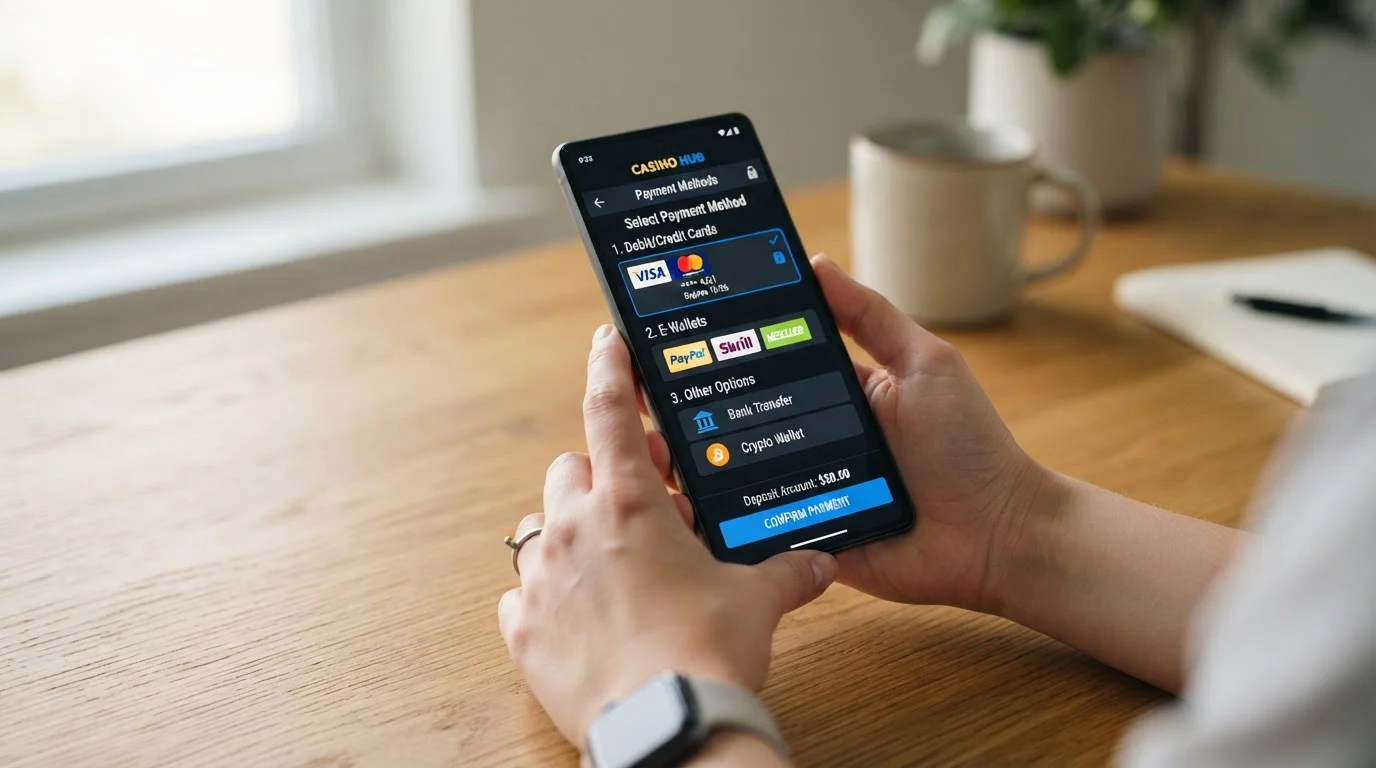
Payment method choice doesn’t restrict game access at UKGC-licensed casinos. Slots, table games, live dealer studios, and virtual sports remain universally available regardless of whether the player deposited via debit card, PayPal, Skrill, or paysafecard. Game portfolios depend on the casino’s software providers and licensing agreements, not the payment method funding the account. A player depositing £50 via Visa debit accesses the same game library as a player depositing £50 via PayPal.
Bonus eligibility does vary by payment method. Many UKGC casinos exclude Skrill and Neteller deposits from triggering welcome bonuses or match deposit offers. Terms specify “deposits via e-wallets do not qualify for bonus” or list Skrill and Neteller explicitly as excluded methods. This restriction targets “bonus hunters” who exploit e-wallets’ instant withdrawals to extract bonus value with minimal wagering. Casinos lose money on players who claim bonuses, meet minimum wagering, and immediately cash out, so they close the loophole by barring the payment methods that enable hit-and-run tactics.
PayPal, debit cards, paysafecard, Apple Pay, and Google Pay typically qualify for bonuses without restriction. Players prioritising bonus value should check terms before depositing. Some casinos offer smaller bonuses to Skrill and Neteller users rather than excluding them entirely—a 50% match up to £50 instead of the standard 100% match up to £100—giving e-wallet users partial eligibility. Others draw the line absolutely: e-wallet deposits receive no bonus, period.
Mobile casino access works identically across payment methods. UKGC operators deliver mobile play through responsive web apps or native iOS/Android applications, both supporting the full range of payment options available on desktop. A player depositing via Apple Pay on iPhone can later deposit via Visa debit on a laptop and withdraw via PayPal from an iPad; the casino maintains a unified account balance across devices. Apple Pay and Google Pay offer cleaner mobile deposit experiences due to biometric authentication, but debit cards, e-wallets, and paysafecard all function on mobile browsers and apps without degraded usability.
Transaction speeds don’t affect game performance. Deposits complete instantly for all methods (debit cards, e-wallets, paysafecard, mobile wallets), delivering immediate gameplay access. Withdrawal speed varies—PayPal and e-wallets clear faster than debit cards—but withdrawal processing happens independently of active play. A player can request a withdrawal to PayPal, receive funds in 4 hours, and continue gambling with their remaining balance without interruption. The payment method’s withdrawal speed matters for liquidity but doesn’t gate game access.
Table limits and maximum bet caps at UKGC casinos apply uniformly regardless of payment method. A player depositing £5,000 via debit card faces the same maximum bet restrictions as a player depositing £5,000 via PayPal. UKGC operators don’t tier players by payment method; risk management focuses on total deposit history, win/loss patterns, and responsible gambling indicators rather than which card or e-wallet funded the account.
Is Diners Club safer than debit cards for online gambling?
Diners Club charge cards carry fraud protections similar to Visa and Mastercard credit cards, but its unavailability at UKGC casinos makes the comparison moot for UK players. Visa and Mastercard debit cards offer 3D Secure, bank-side fraud monitoring and chargeback routes, and PayPal adds buyer protection. No evidence suggests Diners Club is meaningfully safer.
Choosing a Payment Method: What Matters for UK Players
Speed separates the field. PayPal withdrawals clear in under 24 hours at most UKGC casinos, often in under 12 hours at the fastest operators. Skrill and Neteller match that pace. Debit card withdrawals lag at 1 to 5 business days, acceptable for patient players but frustrating for those expecting instant access to winnings. Bank transfers, offered at some UKGC casinos as a direct withdrawal option, stretch longer still once operator processing is included—making them suitable only for large withdrawals where speed isn’t priority.
Fees determine net value. Debit cards, PayPal, paysafecard, Apple Pay, and Google Pay charge players nothing for UKGC casino transactions. Skrill and Neteller impose a 1% deposit fee, chipping away at value over time. A player depositing £1,000 monthly via Skrill surrenders £10 per month to fees, £120 annually. That cost buys little that PayPal or a debit card doesn’t already deliver at UKGC sites, so fee-conscious players should default to debit cards or PayPal.
Limits constrain high rollers. Debit cards and e-wallets support deposits up to £10,000 per transaction at casinos equipped to handle high limits, though many cap lower at £5,000 for fraud prevention. Paysafecard maxes at £500 to £1,000 when aggregating multiple vouchers, rendering it unsuitable for large deposits. Mobile wallets inherit their linked debit card’s limits, effectively matching debit card capacity. Players moving thousands per session gravitate toward debit cards or e-wallets; those depositing under £500 face no practical limit differences across methods.
Licensing matters more than any payment feature. Every method in this guide works at UKGC-licensed casinos, where GamStop, age and identity checks, the 10x wagering cap and approved dispute resolution all apply. Offshore sites strip those protections away, and debit cards used there face issuer declines or cash advance fees on top. If you have self-excluded via GamStop, no payment method should be used to get around that decision—support is available from GamStop, GamCare (0808 8020 133) and BeGambleAware.
Privacy concerns drive a minority toward paysafecard. Voucher deposits keep card and bank details away from the casino, which appeals to players worried about data exposure. That privacy vanishes on withdrawal, as UKGC identity verification requirements force document submission, but the deposit-side anonymity satisfies some players’ primary concern. True anonymity doesn’t exist within regulated gambling—UKGC casinos must know who you are—but paysafecard minimises payment trail visibility.
Bonus eligibility influences method selection for promotion-focused players. Debit cards and PayPal qualify for all bonuses without restriction. Skrill and Neteller often exclude players from welcome offers or reduce match percentages. Players who value bonuses should deposit via debit card or PayPal, capturing full promotional value. Bonus-indifferent players prioritise other factors—speed, limits, privacy—over eligibility.
Mobile convenience suits players who gamble primarily on smartphones. Apple Pay and Google Pay streamline mobile deposits to a single biometric tap. Debit cards require typing 16 digits and CVV on a touchscreen, manageable but clumsier. E-wallets need login credentials and two-factor authentication, adding steps. Paysafecard requires entering 16-digit PINs, equally tedious on mobile. Mobile-first players gain measurable convenience from Apple Pay or Google Pay; desktop players see little advantage.
Security proves largely uniform. All payment methods at UKGC casinos meet baseline fraud protection standards. Debit cards implement 3D Secure. E-wallets require password and two-factor authentication. Mobile wallets use biometric verification. Paysafecard’s anonymity reduces phishing risk but exposes users to voucher theft or loss. No method stands out as drastically more secure than alternatives within UKGC’s regulated environment; player vigilance—strong passwords, secure devices, suspicious activity monitoring—matters more than method choice.
Simplicity favours debit cards. Players already possess them, no account setup required, no learning curve. E-wallets demand registration, identity verification, and funding before first use. Paysafecard requires finding retail locations and purchasing vouchers. Mobile wallets need device compatibility and card linking. Debit cards work immediately, universally, with zero onboarding friction. Players who value simplicity over optimisation default to debit cards and never revisit the question.
The optimal method depends on weighting these factors against individual priorities. A casual UKGC-only player prioritising simplicity uses Visa debit. A high-volume player chasing fastest withdrawals uses PayPal. A player who already uses Skrill elsewhere keeps the balance working. A privacy advocate buys paysafecard vouchers. A mobile-first player links Apple Pay. Diners Club offered consolidation—single card, global acceptance, unified statement—but UK gambling stripped that option. Replacing it means picking the method whose strengths align with what mattered about Diners Club in the first place.
Casino Deposit Methods UK 2026 — Compare Payment Options
Content created by the «casinopayoptions-uk.com» team