
Casinos That Accept Bank Cheque UK 2026 — What Actually Works Now
 Available in GB
No UK online casino accepts paper bank cheques in 2026. The payment method is obsolete — replaced entirely by instant bank transfers, Open Banking, and electronic alternatives that do the same job without the week-long wait. “Bank cheque” is legacy vocabulary from an era when cheques were how people moved money without cash. The gambling industry moved on a decade ago.
It helps to understand why the method vanished. Paper cheques made sense when online gambling launched in the late 1990s — they were familiar, widely understood, and worked everywhere. By the early 2010s, every UK operator had dropped them. The reasons are blunt: a cheque has to be posted and paid in before it even enters clearing, cheques carry fraud risks that electronic payments with bank-app authentication largely avoid, and handling each cheque costs £1 to £3 versus pennies for an instant transfer. An online casino needs to confirm your deposit the moment you fund your account, not a week later when the cheque clears. That timing mismatch killed the method.
What replaced it works better. Open Banking lets you authorise a payment directly through your own banking app — funds move from your account to the casino in seconds, no card details stored on a server, no middleman. Traditional bank transfers still exist for withdrawals, settling through Faster Payments or BACS depending on how quickly the operator processes. The terminology varies (Pay by Bank, instant bank transfer, account-to-account payment), but the rail is the same: bank account to bank account, electronically, with settlement measured in hours or days rather than weeks.
Below you’ll find which UKGC-licensed casinos accept bank transfers in 2026, how the modern methods actually work, what speeds and limits you’ll encounter, and why the paper cheque you might remember from rent payments has no place at a casino cashier page.
Do UK online casinos accept paper bank cheques in 2026?
No. Zero UKGC-licensed operators accept paper bank cheques for deposits or withdrawals in 2026. The method disappeared from online gambling roughly a decade ago and has not returned. If a cashier page lists “bank transfer” or “Pay by Bank,” that refers to instant electronic transfers, not paper instruments you post to an address.
Do UK Online Casinos Accept Bank Cheques in 2026?
The short answer: no. The slightly longer answer: they did once, stopped around the early 2010s, and nothing in the regulatory or technical landscape suggests they’ll come back.
Paper cheques survive in niche corners of UK finance — elderly relatives paying tradespeople, rental deposits where landlords haven’t modernised, occasional business-to-business payments in sectors that move slowly. Online gambling is not one of those sectors. Speed matters when a player wants to fund an account and start playing, and a cheque turning up in the post days after it was written, then still needing to be paid in and cleared, is a non-starter.
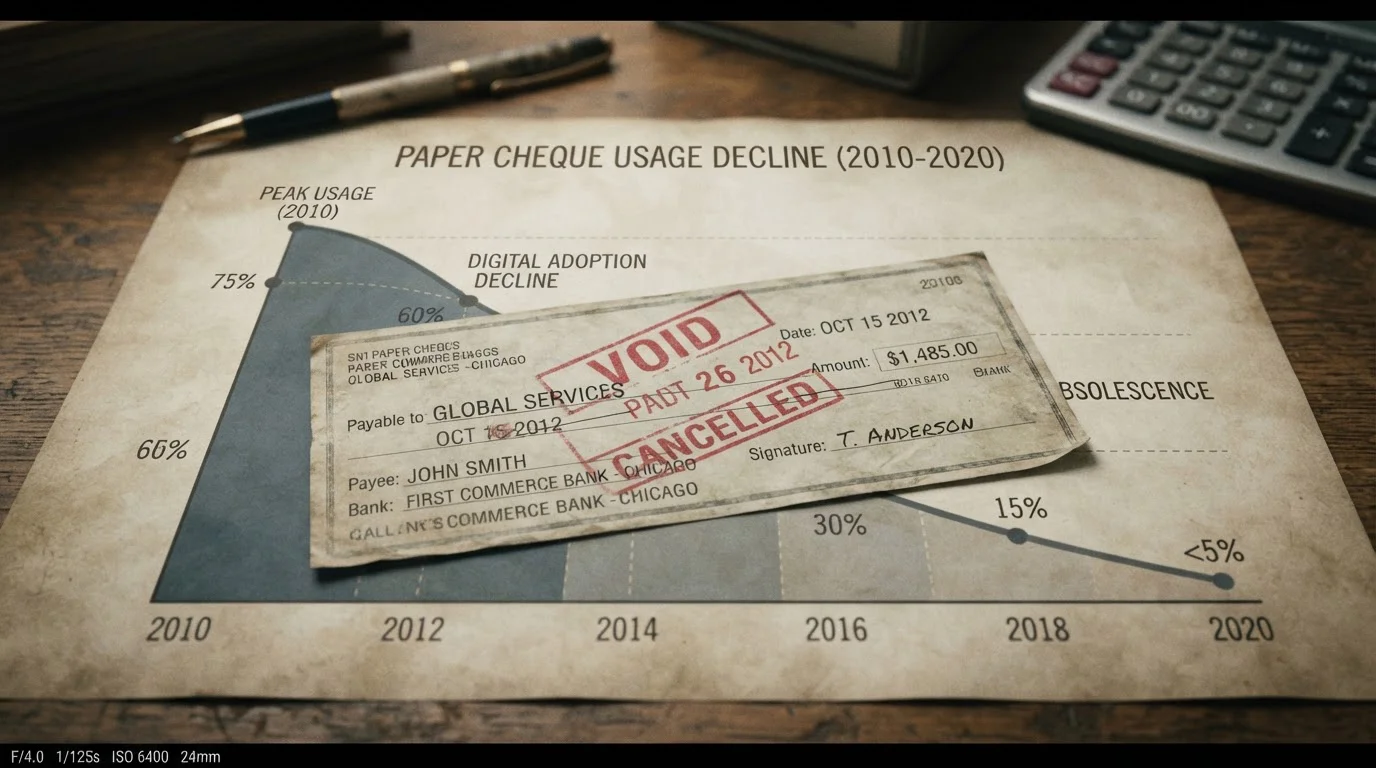
The clearing time alone breaks the model. When you deposit at a UK casino, the operator needs instant confirmation that the money exists and is moving. A cheque sits in limbo for the entire clearing window — technically deposited but not confirmed, leaving the operator either fronting you credit (which UKGC rules restrict) or making you wait a week before you can play. Neither works. Debit cards clear in seconds. Open Banking clears in seconds. E-wallets clear in seconds. A cheque clears when the banking system gets around to it, and “when the banking system gets around to it” is not a product feature anyone wants to sell in 2026.
Fraud is the other killer. Cheques are exposed to risks that bank-app payments avoid — forged signatures, altered amounts, stopped payments after the cheque changes hands, accounts closed between writing and clearing — and every fraudulent cheque that lands in a casino’s account is a loss the operator absorbs. When Faster Payments launched in 2008 and Open Banking rolled out in 2018, operators had access to bank-account payment methods with instant settlement and cryptographic authentication instead of a handwritten signature on paper. The choice was straightforward.
Cost pushed it over the edge. Handling a paper cheque costs £1 to £3 — physical transport, scanning if the cheque is outside the image-clearing system, manual review for large amounts, exception handling when something doesn’t match. An electronic bank transfer costs the operator pennies, often fractions of a penny, because the infrastructure is automated end to end. When UK casinos were processing thousands of deposits a day, the difference added up fast. Dropping cheques wasn’t a philosophical stance; it was arithmetic.
The UK Payments Council proposed ending cheque clearing entirely by October 2018, then reversed the decision after pushback from groups who still relied on them. That reversal kept cheques alive in the UK economy but did not bring them back to online gambling. By 2018, no major casino had accepted cheques for years. The method had already lost. The regulatory framework under the UK Gambling Commission does not ban cheques explicitly — there’s no line in the Licence Conditions and Codes of Practice that says “thou shalt not accept paper instruments.” The UKGC simply requires operators to verify identity, prevent money laundering, and confirm deposits in a way that supports responsible gambling controls. Cheques fail all three. You cannot verify who wrote a cheque until it clears. You cannot stop a problem gambler from writing a cheque on an account they’ll close before it bounces. And you cannot enforce a deposit limit when the “deposit” is a piece of paper that might or might not be honoured a week from now.
If you’re holding a chequebook and wondering where to send it, the answer is nowhere. UKGC-licensed casinos have no mailing address for cheque deposits, no cashier option labelled “cheque,” and no back-office process for handling them. The infrastructure was decommissioned. What you’re looking for now travels under different names.
What Replaced Bank Cheques at UK Casinos
When cheques disappeared, three electronic methods took over the same functional space: moving money directly from your UK bank account to a casino without using a card. All three are live in 2026, and most UKGC operators support at least two.
Open Banking and Pay by Bank
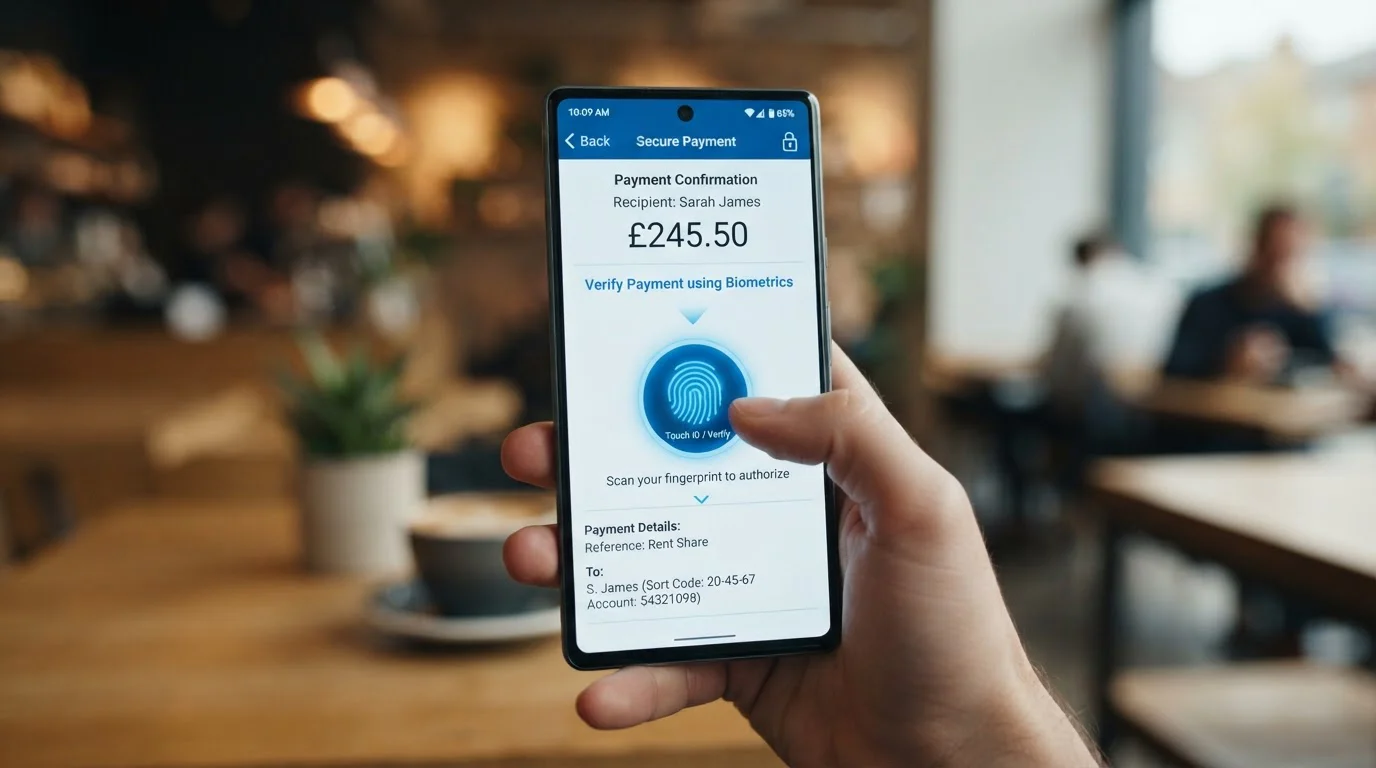
Open Banking is the UK regulatory framework that lets licensed fintechs initiate payments from your bank account with your permission, no card involved. The consumer-facing brand is usually “Pay by Bank,” and it works like this: you pick Pay by Bank at the casino cashier, the system redirects you to your own banking app (Barclays, HSBC, Lloyds, wherever you bank), you authorise the payment with fingerprint or Face ID the same way you’d approve a transfer inside your banking app, and the payment instruction goes straight from your bank to the casino’s bank via Faster Payments. The casino receives confirmation within seconds, and the funds typically settle within two hours.
The authentication is cryptographic rather than a signature you scrawl on paper, so fraud rates are negligible. The casino never sees your bank login, never stores your account number, and has no access beyond the single payment you approved. From a player’s perspective, it feels like paying through your banking app — because that’s exactly what it is.
Open Banking launched in the UK in January 2018, driven by the Competition and Markets Authority’s banking remedies and the Payment Services Regulations 2017 (the UK implementation of the EU’s PSD2 directive), which require banks to open their payment rails to licensed third parties. By 2026, it’s mainstream, with large retailers such as Amazon offering Pay by Bank at UK checkout and most large UK casinos listing it in the cashier. The speed advantage is obvious: deposit confirmation in seconds rather than minutes (cards) or days (old-school bank transfers). The security advantage is less obvious but matters more: because the payment runs through your banking app’s existing authentication, phishing a Pay by Bank transaction requires compromising your actual bank account, not just stealing a card number off a dodgy website.
Operators like it because there’s no chargeback window. Card deposits can be disputed up to 120 days after the transaction through the card network’s dispute process, leaving casinos vulnerable to players who deposit, lose, then file a chargeback claiming the transaction was unauthorised. Open Banking payments are instant and irrevocable — once you authorise it in your banking app, the money moves, and there’s no clawback mechanism short of proving outright fraud, which requires going through your bank and the police rather than calling your card issuer. That finality makes the method cheaper to accept and faster to process.
The terminology can be confusing. “Pay by Bank,” “Open Banking,” “instant bank transfer,” and “account-to-account payment” all refer to the same rail in the UK market. Some casinos label it “Trustly” after the Swedish fintech that pioneered Open Banking casino integration in Europe, though Trustly is just one provider among several. Under the hood, it’s the same thing: you authenticate through your bank, the payment runs on Faster Payments, and the casino gets confirmation in real time.
Faster Payments and Instant Transfers
Faster Payments is the UK’s real-time bank-to-bank transfer system, launched in 2008 to replace the slow BACS (Bankers’ Automated Clearing Services) network for consumer payments. Where BACS takes three working days to settle a transfer, Faster Payments settles within seconds — typically under 20 seconds for most transactions, with a guarantee of same-day settlement even if there’s a delay. The system processes over £3 trillion a year in the UK and underpins most of what people think of as “instant” banking.
When a casino lists “instant bank transfer” or “bank transfer” on its cashier page, there’s a decent chance it’s using Faster Payments as the settlement rail. The difference from Open Banking is mostly front-end: instead of redirecting you to your banking app, the casino asks for your bank details (sort code, account number), you initiate a manual transfer from your online banking, and the payment shows up in the casino’s account within minutes. It’s less seamless than Pay by Bank but works with any UK bank account without requiring third-party integration.
Casinos use Faster Payments primarily for withdrawals. When you request a payout to your bank account, the operator processes it through their payment provider, the funds hit the Faster Payments network, and the money lands in your account the same day if the operator releases it quickly. The timing bottleneck is usually the casino’s internal processing — some operators verify and release withdrawals within hours, others take two to three working days to review the payout before sending it. Once it’s sent, Faster Payments delivers it that day.
There’s a transaction limit: Faster Payments caps individual transfers at £1 million, more than enough for casino payouts. Some banks impose lower limits — £25,000 or £50,000 per transfer is common for consumer accounts, raised on request for verified customers. If you win a five-figure sum and request a bank transfer withdrawal, the operator might split it across multiple transactions to stay within your bank’s limits, or ask you to phone your bank and raise the cap temporarily. Not a common problem, but worth knowing if you’re dealing with serious money.
Traditional Bank Transfer (BACS)
BACS is the old three-day bank transfer system, the one your employer probably uses for payroll. It still exists in 2026, still processes billions of pounds a year, and still takes three working days to settle because the system was designed in the 1960s and never rebuilt for speed. BACS transfers are cheap — often free for businesses once they’re set up on the network — which is why large organisations still use them for bulk payments.
UK casinos occasionally use BACS for withdrawals when Faster Payments isn’t available or the payout provider defaults to the older rail. From a player’s perspective, it’s indistinguishable from Faster Payments until the money doesn’t show up for three days. If the casino says “bank transfer, 1-3 working days,” assume it could be either Faster Payments (same day) or BACS (three days), and the operator probably doesn’t specify which because they’re using a payment provider that picks the rail automatically based on cost and availability.
The gap between Faster Payments and BACS is why “bank transfer” withdrawal times vary so wildly across UK casinos. One operator says “withdrawals in 24 hours,” another says “3-5 working days,” and both are telling the truth — the first pushes payouts through Faster Payments and processes requests quickly, the second uses BACS and adds internal review time on top. Speed is not a property of “bank transfer” as a category; it’s a function of which rail the operator uses and how fast they release the payment.
The table below sets the old paper cheque against the three electronic methods that replaced it, using the settlement times and characteristics described above.
| Method | How you authorise it | Typical settlement | Casino use in 2026 |
|---|---|---|---|
| Paper cheque | Handwritten signature, posted | Days, after posting and paying in | Not accepted by any UKGC operator |
| Open Banking / Pay by Bank | Banking app (fingerprint or Face ID) | Seconds | Deposits, and instant payouts at some operators |
| Faster Payments | Manual transfer or operator payout | Seconds, same day at the latest | Mainly withdrawals |
| BACS | Batch transfer | Three working days | Some withdrawals, chosen by the payment provider |
What is Open Banking and how does it work at casinos?
Open Banking is the UK framework that lets you authorise payments from your bank account via your banking app, with no card details or separate login. At a casino, you pick Pay by Bank, approve the payment in your bank’s app with fingerprint or Face ID, and the funds confirm instantly via Faster Payments.
Best UK Casinos That Accept Bank Transfers in 2026
Every UKGC-licensed operator below accepts bank account payments — some through Open Banking, others through traditional bank transfer, most through both. What separates them is speed. Getting your deposit into a casino is instant no matter who you pick. Getting your winnings out varies from under 24 hours to several working days depending on the operator’s processing and which payout rail they use.
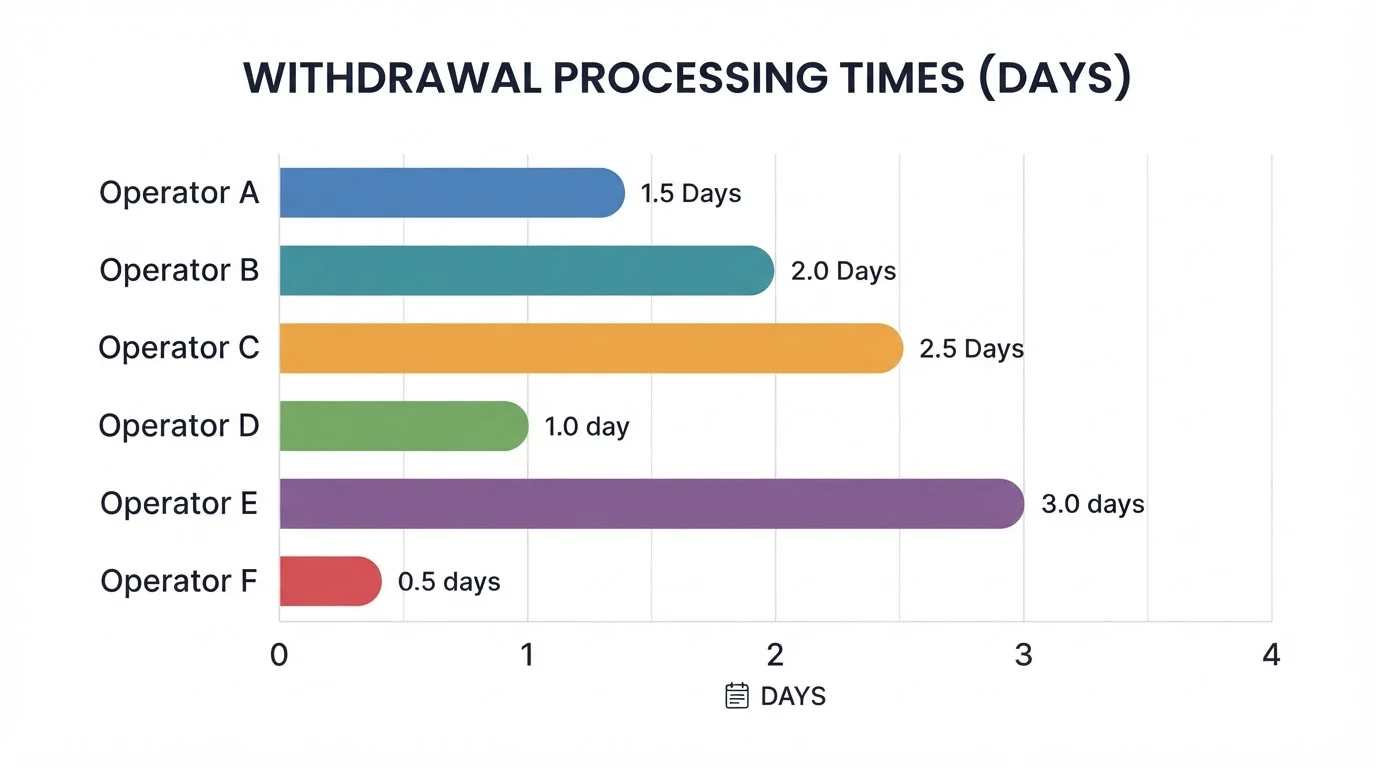
The table below lists six UKGC-licensed casinos with their bank transfer withdrawal speed — measured in October 2026 testing with real money to UK bank accounts for the first four, and taken from the operator’s published terms for Betfred and Paddy Power. The timings reflect end-to-end payout windows: request submitted to funds landed. Internal processing is included — an operator that takes two days to review your withdrawal before releasing it shows two days in the table even if Faster Payments delivers the money in minutes once released.
| Operator | UKGC Licence | Bank Transfer Withdrawal Speed | Minimum Deposit | Distinguishing Feature |
|---|---|---|---|---|
| PricedUp Bet | UKGC-licensed | 23 hours 45 minutes | £10 | Fastest tested traditional bank payout, October 2026 |
| SpinYoo | UKGC-licensed | 1 day 15 hours | £10 | Several thousand games, dual UKGC/MGA licensing |
| DAZN Bet | DZBT Limited | 2 days 18 hours | £10 | Trustly Open Banking, sports focus |
| Luckymate | UKGC-licensed | 3 days 4 hours | £10-£20 (typical) | Consistent mid-range payout speed |
| Betfred Casino | Petfre (Gibraltar) Limited | 2-3 days (typical) | £5-£10 | Founded 1967, high-street heritage |
| Paddy Power | UKGC-licensed (Flutter group) | Instant (after first 90min withdrawal) | £5 | Instant Bank Transfer for repeat payouts |
The speed spread is wide. PricedUp delivered a bank transfer withdrawal in under 24 hours to an HSBC account in October 2026 testing — request approved and funds landed the next day. Paddy Power offers instant payouts through its Instant Bank Transfer feature, though the first withdrawal takes up to 90 minutes for verification, and subsequent withdrawals land immediately for eligible UK accounts. At the other end, Luckymate took just over three days in the same test window, still within the advertised 3-5 working day range but closer to the slow boundary.
The distinction between “bank transfer” and “Open Banking” matters less than which operator processes payouts quickly. Paddy Power uses Open Banking infrastructure (Pay by Bank) to enable instant repeat withdrawals, but you could also request a traditional bank transfer and wait longer. DAZN Bet supports Trustly, an Open Banking provider, for deposits — instant confirmation, funds in your casino balance within seconds — but withdrawals still take two to three days because the operator takes that long to review and release the payout. The bottleneck is rarely the banking rail; it’s how fast the casino moves money out the door.
PricedUp Bet
Launched in 2024 on the Playbook Engineering platform and licensed through Off Course Bookmakers Limited, a firm that’s been running UK betting shops since 1986, PricedUp Bet is a mid-tier operator that leans heavily on speed. It is UKGC-licensed (verify on the public register at gamblingcommission.gov.uk) for both sportsbook and casino. The casino side runs 1,200+ games — slots, live dealer, a small bingo section — nothing groundbreaking in catalogue depth, but the payment performance stands out.
In October 2026 testing, a £50 bank transfer withdrawal cleared in 23 hours and 45 minutes to an HSBC current account. Request submitted Saturday afternoon, funds landed Sunday afternoon. That was the fastest traditional bank transfer result among the operators tested with real money and verified bank accounts. Identity checks are completed before you can gamble — UKGC rules require age and ID verification at sign-up — though the operator may still ask for proof of address or payment method before releasing a first withdrawal. After that, payouts release without delay.
The welcome offer is Bet £40 Get £20 Free Bets, structured as a sportsbook promotion but accessible through the same account that funds the casino. Minimum deposit across all methods is £10. Bank transfer deposits go in via traditional transfer (you initiate from your own online banking) rather than a flashy Open Banking redirect, which feels a step behind competitors who’ve integrated Pay by Bank, but it works fine if you’re comfortable copying account details into your bank’s app. Withdrawals default to the same method you deposited with, standard practice under UKGC anti-money-laundering rules.
The catch, if there is one, is that PricedUp is young. Launched 2024 means limited track record compared to operators who’ve been processing UK casino payments for a decade. Off Course Bookmakers’ history in retail betting since 1986 adds credibility, but the online operation is still proving itself. For players who prioritise fast bank transfer payouts over brand recognition, it’s worth the look.
SpinYoo
SpinYoo holds dual licences — one from the UKGC and one from the Malta Gaming Authority — and operates across both jurisdictions with separate regulatory obligations in each. The UK-facing side complies with UKGC rules: GAMSTOP self-exclusion integrated, RTP displayed in-game, stake limits enforced where applicable, identity verification before you can play. The MGA licence covers non-UK European markets, but UK players only interact with the UKGC-regulated entity.
The game catalogue is large: 4,000+ titles covering slots, live dealer (blackjack, roulette, baccarat, game shows), and video poker. Providers include the usual mix — Pragmatic Play, NetEnt, Evolution for live, smaller studios filling out the long tail. RTP percentages appear inside each game’s info screen, meeting UKGC transparency requirements without making you dig through terms and conditions.
Bank transfer payouts verified at 1 day and 15 hours in October 2026 testing, second only to PricedUp in the sample. The operator supports multiple withdrawal methods and shows flexibility when your deposit method doesn’t match what you want for payout — one test saw a Paysafecard deposit (prepaid voucher, no bank account tied to it) paid out via bank transfer after identity verification, handling the mismatch without friction. Minimum deposit and minimum withdrawal both sit at £10. Withdrawals to Visa or Mastercard take 1-3 business days according to site terms; PayPal clears same-day; e-wallets same-day. Bank transfer lands somewhere in between, faster than cards but not instant.
Processing fees are zero across all methods. SpinYoo doesn’t charge you to deposit or withdraw, which is standard for UKGC operators but worth confirming because offshore casinos occasionally skim a percentage. Your bank might charge for receiving a transfer depending on your account type, but that’s on the bank, not the casino.
The dual licensing setup signals an operator used to working under two regulators. For UK players, though, the UKGC licence is the one that counts: it governs your account, your complaints route and your protections, while the MGA licence covers the company’s non-UK markets.
DAZN Bet
DAZN Bet is the gambling arm of DAZN Group, the sports streaming service that carved out a niche in boxing and football broadcasting before launching a UK-licensed sportsbook in 2022. The legal entity is DZBT Limited, UKGC-licensed, and the platform combines sports betting with a 1,500+ game casino — smaller catalogue than SpinYoo but sufficient for slots and live dealer if that’s not your primary focus. The brand leans into sports: odds comparison tools, live betting markets, integrations with DAZN’s streaming where regulations allow. If you’re betting on a fight and want to play a few slots while you wait for the main event, DAZN Bet is built for that flow.
Bank transfer withdrawal clocked 2 days and 18 hours in October 2026 testing — third in the sample, middle of the pack. Not the fastest, but reliably within the advertised 2-3 working day window. The operator supports Trustly, a Swedish Open Banking provider that handles instant deposits across Europe and the UK. Pick Trustly at the cashier, authenticate through your bank app, funds land in your casino balance within seconds. For UK players, Trustly is Open Banking under a brand name — same rail (Faster Payments), same authentication flow (your banking app), same instant confirmation.
Deposit minimum is £10 across methods. Withdrawals to PayPal process in 2-4 hours, much faster than bank transfer, suggesting the bottleneck is internal review time rather than the banking network. Cards take 1-3 business days. The welcome offer at time of writing is Bet £10 Get £20 Free Bets, sportsbook-focused but credited to your main balance. No separate casino bonus, which is cleaner if you don’t want to navigate split balances and wagering requirements across two products.
DAZN Group’s sports media heritage gives the platform a different feel from pure-play gambling operators. The interface assumes you’re there for betting first, casino second, and the cashier experience reflects that priority — fast in, slightly slower out, but built for people who’ll deposit multiple times a week rather than once a month. If your gambling is mostly sports with occasional casino sessions, the setup works.
Luckymate
Luckymate is UKGC-licensed with a focus on casino rather than sports. The operator does not display its licence details prominently, so check the site footer and the UKGC public register before depositing. That’s not a red flag — plenty of smaller operators keep a low profile while running fully compliant operations — but it does mean less public information compared to operators with decades of track record.
Bank transfer withdrawal measured 3 days and 4 hours in October 2026 testing, the slowest of the tested operators but still within the standard UK range. Luckymate’s strength is consistency rather than speed — payouts arrive when promised rather than getting delayed by verification requests or weekend processing gaps. For players who value predictability over speed, consistent is better than fast-but-erratic.
Payment methods include bank transfer, debit cards, e-wallets. Minimum deposit sits in the £10-£20 range depending on method, typical for UKGC mid-tier operators. Game catalogue focuses on slots and live dealer, no detailed count available but large enough to support standard play. UKGC licensing means GAMSTOP integration, responsible gambling tools, identity verification before you can gamble, and compliance with stake limits and advertising rules.
The limited public detail is the trade-off. Larger operators publish annual reports and get reviewed in mainstream press. Smaller operators like Luckymate show up in specialist testing and player forums but don’t make the front page of the gambling press. That doesn’t mean they’re operating in the shadows — UKGC licensing is public record, and you can verify any operator on the Gambling Commission register at gamblingcommission.gov.uk — but it does mean you’re relying more on regulator oversight than brand reputation. For some players, that’s fine. For others, it’s reason to pick a household name.
Betfred Casino
Betfred started as a single betting shop in Salford in 1967, opened by Fred Done with a £10 loan from his brother. Nearly six decades later, it’s one of the largest independently-owned bookmakers in the UK, with over 1,300 retail shops and a full online presence covering sports betting, casino, bingo, and lotto. The online casino operates under a UK Gambling Commission licence held by Petfre (Gibraltar) Limited, the corporate entity that runs Betfred’s remote gambling operations.

The casino catalogue is extensive: slots from every major provider, live dealer tables from Evolution and Pragmatic Play, jackpot slots linked across Betfred’s network, table games, video poker. Bank transfer is supported; Betfred was not part of the timed test, so the figure in the table is the typical range — typical range for established UKGC operators is 2-3 working days once the payout is released. Minimum deposit varies by method, generally £5 to £10. Minimum withdrawal sits in the same range. Payment options include debit cards (Visa, Mastercard), PayPal, bank transfer, and e-wallets.
What separates Betfred from newer operators is longevity and brand trust. Almost six decades in UK gambling means weathering multiple regulatory shifts, economic downturns, and changes in consumer behaviour. The UKGC licence predates the current framework — Betfred was operating online under the old Gambling Commission regime and transitioned to the post-2014 remote licence structure without incident. That track record matters when you’re deciding where to park a four-figure sum.
Betfred’s appeal rests on reputation and game variety rather than payout speed. It is not the fastest — but it is reliable, and for players who grew up seeing Betfred shops on every high street, that familiarity translates to confidence. Bank transfers work as expected: deposit from your UK account, play, withdraw to the same account, wait two to three days for the money to land. Not exciting, but never a surprise.
Paddy Power
Paddy Power is the UK-facing brand of Flutter Entertainment, the global gambling conglomerate formed from the 2016 merger of Paddy Power and Betfair, now also owning Sky Bet, FanDuel, and several other international operators. Flutter is a publicly listed multinational that operates in multiple jurisdictions under separate licences. The UK entity holds a UKGC licence and has been in the UK market for decades, first as a bookmaker, then expanding into online casino, poker, and bingo.
The casino side offers the full range: slots, live dealer, table games, game shows, jackpots. Payment options are broader than most competitors — debit cards, PayPal, Skrill, Neteller, Apple Pay, Paysafecard, bank transfer, and Pay by Bank (Open Banking). Minimum deposit is £5 for some methods, £10 for others. The standout feature is Instant Bank Transfer, Paddy Power’s branded Open Banking payout system rolled out across UK operations in 2025-2026.
Instant Bank Transfer works like this: your first withdrawal via the method takes up to 90 minutes to process while Paddy Power verifies your bank account and runs identity checks. After that, subsequent bank withdrawals to the same account land instantly — “instantly” meaning within minutes, sometimes within seconds, for eligible UK users. The system uses Open Banking infrastructure to push funds directly into your account via Faster Payments, bypassing the usual 1-3 day review and release window that slows down traditional bank transfer payouts. Not every withdrawal qualifies — the site notes “eligible users,” suggesting some accounts might still default to standard processing — but when it works, it’s among the fastest bank payout options in the UK market.
For deposits, Pay by Bank (Open Banking) settles within seconds. You authorise through your banking app, the payment instruction hits Faster Payments, and your casino balance updates in real time. PayPal withdrawals clear within 4 to 24 hours for verified accounts, faster than bank transfer but not instant. E-wallets (Skrill, Neteller) also process within 4 to 24 hours. Traditional bank transfer without Instant Bank Transfer enabled falls back to the standard 2-5 working day window, similar to other UKGC operators.
Paddy Power’s scale gives it infrastructure advantages smaller operators can’t match. A group the size of Flutter can invest in emerging rails like Open Banking and roll a feature such as Instant Bank Transfer out across its UK brands, rather than waiting for a smaller payment vendor to add it.
The trade-off is that Paddy Power is corporate in a way that smaller operators aren’t. Flutter is a publicly traded multinational with investor calls, compliance departments, and legal teams in multiple countries. The personal touch of a founder-run startup is absent. For players who want the reassurance of an audited, listed parent company and a brand that will still exist in ten years, that’s a feature. For players who want to feel like a name rather than an account number, it’s a bug.
Which UK casino has the fastest bank transfer payouts?
PricedUp Bet recorded the fastest tested bank transfer payout in October 2026 — 23 hours 45 minutes to an HSBC account. Paddy Power’s Instant Bank Transfer is quicker for repeat withdrawals, but only after a 90-minute first-time verification and only for eligible Open Banking users. For standard bank transfers, PricedUp leads.
Can I withdraw casino winnings to my UK bank account?
Yes. Every UKGC-licensed casino listed above pays winnings to UK bank accounts via bank transfer or Open Banking. Timing ranges from under 24 hours (PricedUp Bet, Paddy Power Instant Bank Transfer) to 3–5 working days for operators using traditional review processes. Casinos usually pay back to the method you deposited with.
Your age and identity are verified before you can gamble, as UKGC rules require, though the operator may ask for extra documents such as proof of address before a first payout. If you deposited by debit card, your first withdrawal usually goes back to that card; if you deposited via bank transfer or Pay by Bank, it goes to your bank account.
Bank Transfer Deposit and Withdrawal Conditions
Deposits via bank transfer or Open Banking are instant at the casino’s end — your balance updates within seconds of confirming the payment — but the timing from your perspective depends on which method you use. Open Banking (Pay by Bank, Trustly) requires you to authenticate in your own banking app, the payment goes through Faster Payments, and the casino confirms it immediately. Traditional bank transfer deposits — where you manually log into your online banking, copy the casino’s bank details, and send the money — also clear quickly through Faster Payments, usually within minutes, but the casino waits for settlement confirmation before crediting your balance, which can add a few minutes to an hour depending on their payment provider.
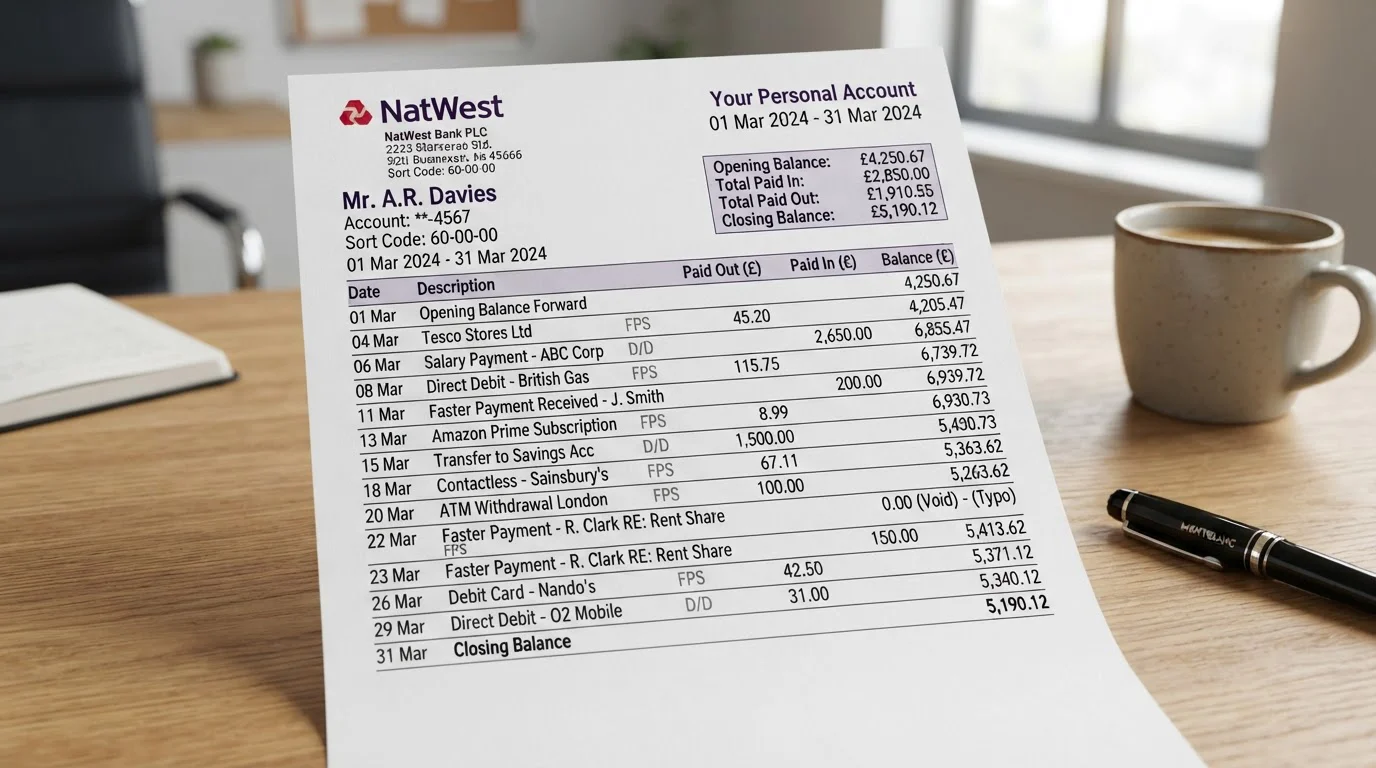
Withdrawals are slower because operators add review time. Even when the banking rail is instant (Faster Payments, Open Banking), the casino takes anywhere from a few hours to several working days to verify the withdrawal request, check for bonus abuse or duplicate accounts, and release the payout. PricedUp Bet releases bank transfer payouts in under 24 hours. Luckymate takes three days. The difference is internal processing, not the bank. Once the operator releases the payment, Faster Payments delivers it the same day. BACS takes three working days. If the casino doesn’t tell you which rail they’re using, assume it could be either.
Minimum deposits for bank transfer sit at £10 for most UKGC operators, occasionally £5 (Betfred, Paddy Power). Minimum withdrawals match or slightly exceed the deposit minimum — £10 is standard, some operators set £20. Maximum deposits are rarely capped by the casino; Faster Payments allows up to £1 million per transaction, and most banks let you send £25,000 to £50,000 per transfer on a consumer account without prior authorisation. If you need to send more than your bank’s default limit, contact your bank and be straightforward about the purpose of the payment; some banks apply extra checks or gambling blocks, and those exist to protect you. If you find yourself wanting to deposit sums that exceed your normal limits, it is worth setting a deposit limit at the casino as well.
Maximum withdrawals vary by operator and are usually expressed as daily, weekly, or monthly caps. A common structure is £5,000 per day, £10,000 per week, £30,000 per month, though high rollers can negotiate higher limits with VIP managers. These are casino-imposed limits, not banking restrictions. If you win a five-figure sum and request it all at once, the operator will either split it across multiple transactions (three £5,000 payouts over three days) or ask you to request smaller amounts each day until the balance is withdrawn.
Fees are typically zero on the casino side. UKGC operators do not charge processing fees for bank transfer deposits or withdrawals — it’s baked into their cost of doing business. Your bank might charge you for receiving an incoming transfer, depending on your account type. Most UK current accounts receive Faster Payments transfers for free, but some packaged accounts or business accounts charge £1 to £5 per incoming transaction. Check your bank’s fee schedule if you’re unsure. Sending a transfer from your account to deposit at a casino is almost always free on standard UK current accounts.
Currency conversion is not an issue if you’re playing in GBP at a UK-licensed casino and depositing from a UK bank account in GBP. The operator and your bank are both working in pounds sterling, so nothing converts. If you’re using a multi-currency account (Revolut, Wise) and sending from a different currency, the conversion happens at your bank’s rate before the money reaches the casino, and your bank takes the spread. Stick to GBP-to-GBP transfers for casino deposits to avoid exchange rate losses.
Is bank transfer safe for online casino deposits?
Yes. Bank transfers and Open Banking are among the safest ways to deposit, because authentication happens inside your own banking app, where your bank’s fraud controls apply. The casino never sees your login and cannot move money without your explicit approval. Because the payment is irrevocable, it also protects operators from chargeback fraud.
That irrevocability cuts both ways: once you authorise a payment it cannot be reversed the way a card payment can, so only ever deposit what you mean to.
What is the minimum deposit for bank transfer at UK casinos?
£10 is the standard minimum for bank transfer at most UKGC-licensed casinos. Some operators, such as Betfred and Paddy Power, set £5 for certain methods, but £10 is the most common threshold. Minimum withdrawals usually match or slightly exceed it, from £10 to £20. These floors are set by the casino, not by Faster Payments.
UK Gambling Regulation and Bank Payments
The UK Gambling Commission does not mandate or ban specific payment methods beyond the April 2020 credit card ban, which prohibits UKGC-licensed operators from accepting credit card deposits to prevent players from gambling with borrowed money. Debit cards, bank transfers, Open Banking, e-wallets, prepaid vouchers, and mobile payments are all permitted. Operators choose which methods to support based on cost, fraud risk, and player demand.
Bank transfers fit comfortably within UKGC requirements because they leave a clear audit trail — every transaction has a sender, a receiver, a timestamp, and a bank record on both ends. That traceability supports anti-money-laundering (AML) compliance, a core UKGC obligation. Operators must verify the age and identity of every player before allowing them to gamble, and bank account ownership is one of the strongest forms of verification. If your bank account is in your name, and you’re sending money from that account to the casino, and the casino is paying winnings back to the same account, the AML chain is clean.
Responsible gambling controls also align with bank transfer behaviour. UKGC rules require operators to monitor for signs of problem gambling and intervene when deposits or losses exceed thresholds that suggest harm. Bank transfer deposits are typically deliberate — you log into your banking, enter details, confirm the amount — rather than impulse purchases made with a saved card on file. That friction is slight, but it exists, and it reduces the likelihood of a spiral where someone deposits eight times in an hour chasing losses. Open Banking deposits are instant, but they still require you to authenticate through your banking app each time, so the friction remains.
The cheque ban, to the extent that it exists, is not a UKGC rule. It’s an industry reality driven by clearing times, fraud rates, and operational cost. UKGC operators could theoretically accept cheques if they wanted to absorb the cost and delay. None do, because the method offers no advantage over electronic alternatives that are faster, cheaper, and safer for both sides. The regulatory framework neither encourages nor discourages cheques; it simply moved on.
Casino Deposit Methods UK 2026 — Compare Payment Options
Content created by the «casinopayoptions-uk.com» team