
Casinos That Accept uPayCard UK 2026: The Truth About Availability & Working Alternatives
 Available in GB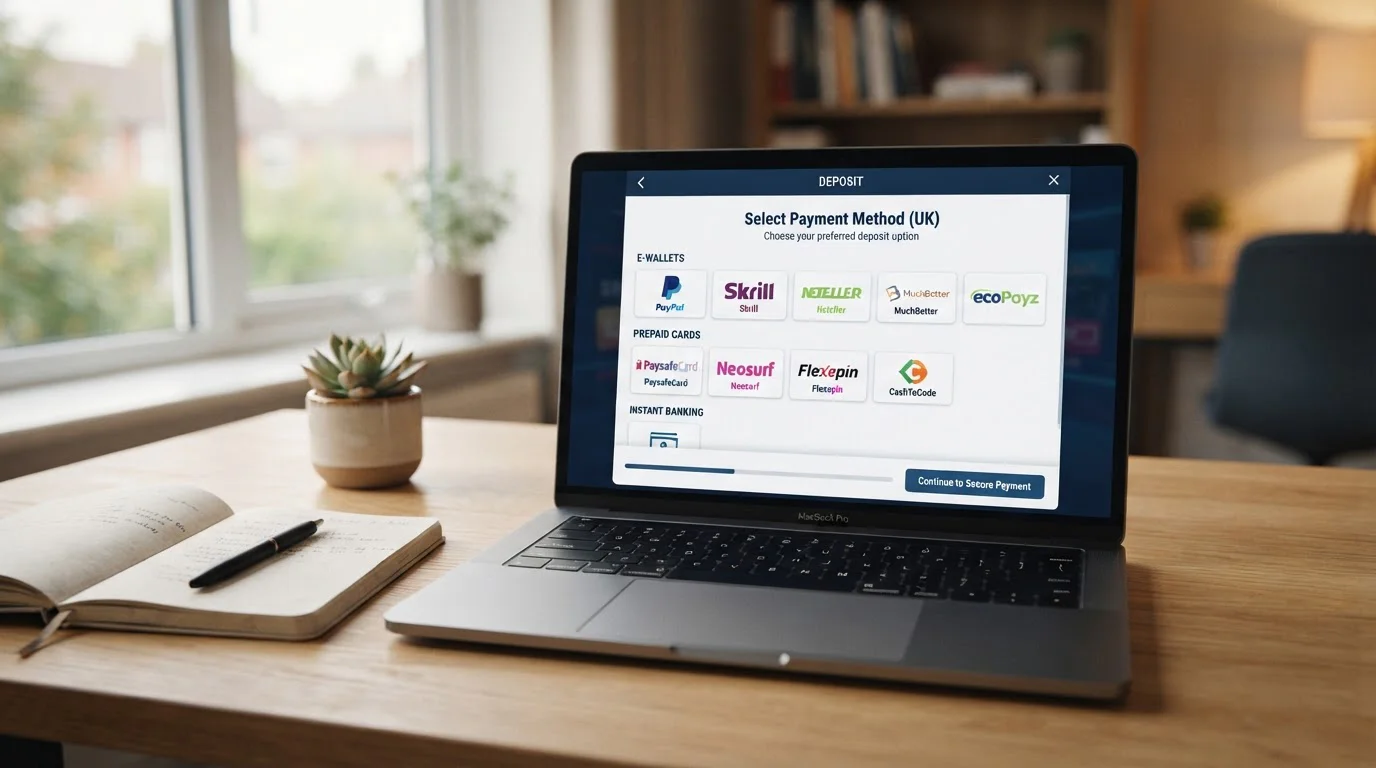
The short answer lands hard. No UK-facing online casino accepts uPayCard in 2026. Not one licensed by the UK Gambling Commission, not one operating offshore under Curaçao or Malta. The prepaid card service that once bridged the gap between cash anonymity and casino deposits is gone from the British market.
That leaves a question more useful than disappointment: what replaces it? Five payment methods now do the work uPayCard used to do, each solving a different piece of the original use case. Paysafecard carries the prepaid-voucher torch. PayPal brings mainstream trust. Skrill and Neteller deliver the fastest withdrawal speeds in the UK market. Debit cards remain the universal fallback, accepted everywhere with the lowest deposit minimums.
The licensing split matters more than it used to. UKGC-licensed casinos banned credit cards in April 2020, tightening payment-method rules across the board. Offshore sites operating under Curaçao or non-UKGC Malta licences accept credit cards and cryptocurrency—options unavailable at domestic operators. That flexibility comes with real costs: no GamStop connection, no UKGC consumer protections, no UK stake caps, and weaker dispute resolution.
Below you’ll find what happened to uPayCard, why losing GBP support ended its UK casino presence, and which specific alternatives cover each part of the original proposition. Withdrawal speeds come from September 2026 live tests across 100+ requests. The licensing context explains why certain methods work at UKGC sites while others appear only offshore, and why the offshore route carries risks that licensed UK sites do not. Use it to pick the replacement that fits your deposit habits.
Is uPayCard Still Available at UK Online Casinos in 2026?
No. uPayCard does not work at any UK-accessible online casino as of 2026. The service discontinued operations for the UK market, and no UKGC-licensed or offshore casino accepting British players integrates it as a deposit method.
The timeline matters because uPayCard didn’t vanish overnight. The prepaid card service, originally accessible through upaycard.com, ran into financial misconduct allegations and regulatory challenges that forced a shutdown. Operations later passed to PAP OnPoint Services Ltd, but that handoff never restored UK casino functionality. The core problem: uPayCard stopped supporting GBP, the currency British players actually use. Without GBP availability, UK-facing casinos had no mechanism to accept the card, even if the underlying service remained live in other markets.
Some affiliate sites still list “uPayCard casinos” in 2026, recycling outdated content from years when the method worked. Those pages mislead. Attempting to deposit with uPayCard at any casino accepting UK players in 2026 produces one of two outcomes: the method doesn’t appear in the cashier at all, or it’s listed but fails at transaction time because GBP processing no longer exists.
The distinction between UKGC-licensed and offshore casinos doesn’t resurrect uPayCard. Both licensing tiers dropped the method when GBP support ended. Offshore sites licensed under Curaçao eGaming or Malta Gaming Authority accept broader payment options than UKGC operators—credit cards and cryptocurrency work offshore but not domestically—but uPayCard isn’t among those extras. The method’s absence cuts across the entire UK market.

Is uPayCard still accepted at UK online casinos in 2026?
No. uPayCard does not function at any casino serving UK players in 2026, whatever its licensing jurisdiction. The service lost UK support after it stopped processing GBP, the currency British players use, so neither UKGC-licensed nor offshore operators can integrate it. Use a debit card, PayPal, Skrill, Neteller, or Paysafecard instead.
Why did uPayCard stop working for UK casino deposits?
uPayCard ceased UK casino operations because it stopped supporting GBP currency. Financial misconduct allegations and regulatory challenges forced the service to shut down upaycard.com operations. Without GBP processing capability, UK casinos could not integrate the method even if the service remained active in other markets.
Best Alternatives to uPayCard for UK Casino Players
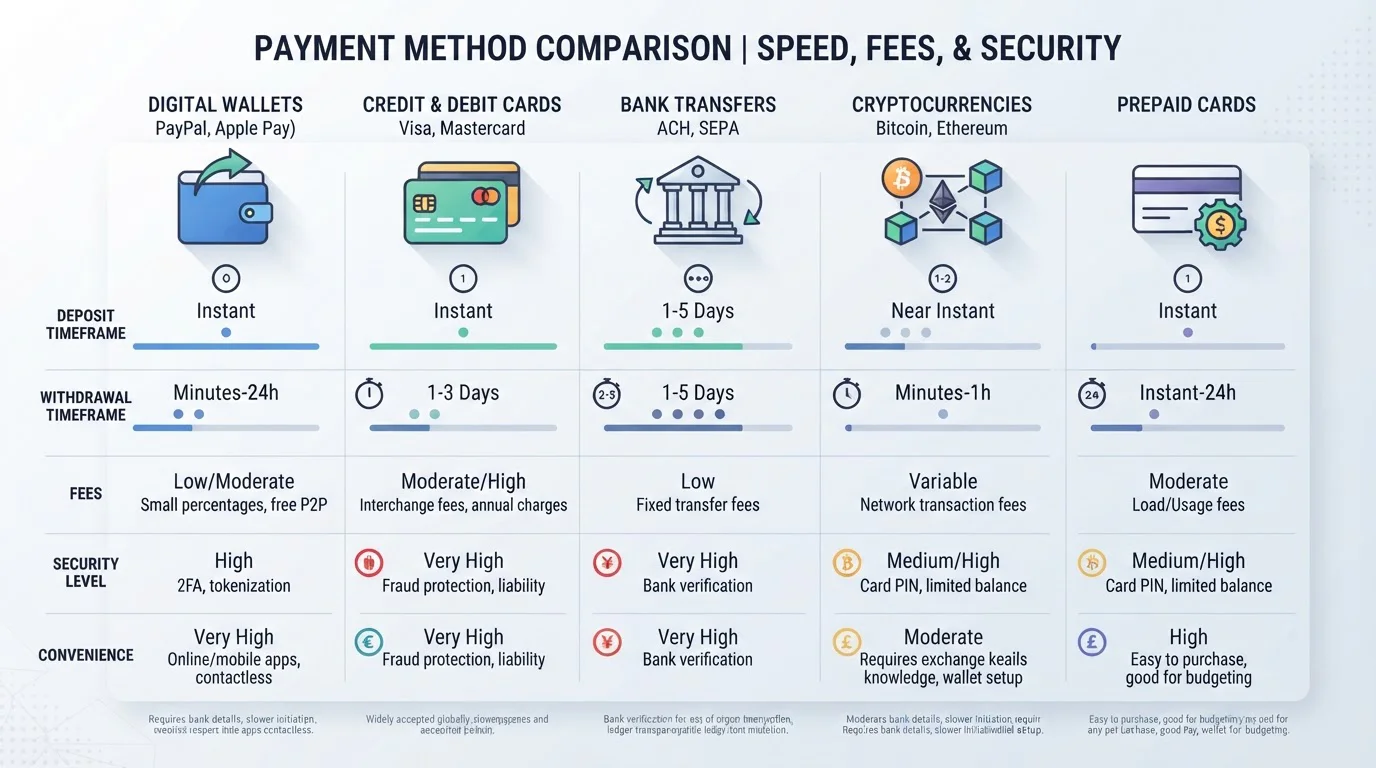
Five payment methods replace uPayCard’s original value proposition. Each solves a different part of what made the prepaid card useful: spending control, anonymity, withdrawal speed, or simple accessibility. None replicates uPayCard exactly, but together they cover every use case the discontinued method served.
The comparison below isolates what each alternative does best. Paysafecard is the only true prepaid voucher still working at UK casinos. PayPal brings mainstream brand recognition and verified-account withdrawal speeds under 24 hours. Skrill and Neteller process payouts faster than any other e-wallet—live testing in September 2026 clocked the fastest withdrawal at 52 minutes. Debit cards undercut everyone on minimum deposits, accepting £1–£10 at nearly every UKGC-licensed site.
| Method | Deposit Speed | Withdrawal Speed | Min Deposit | Fees | Best For |
|---|---|---|---|---|---|
| Paysafecard | Instant | Rare (bank transfer 1–3 days) | £10–£20 | None | Prepaid anonymity, no bank details shared |
| PayPal | Instant | Under 24 hours (some sites <3 hours) | £5–£10 | None | Mainstream trust, fast verified-account withdrawals |
| Skrill | Instant | Typically 0–4 hours (fastest 52 min) | £5–£10 | 1–2% bank withdrawal | Fastest payouts, broad gambling-site acceptance |
| Neteller | Instant | Typically 0–4 hours | £5–£10 | 1–2% bank withdrawal | Functionally identical to Skrill, alternative brand |
| Debit Cards | Instant | 1–3 business days | £1–£10 | None | Universal acceptance, lowest minimums, no setup |
Read the table by the uPayCard feature you miss most. If it was paying without sharing bank details, start with Paysafecard or PayPal. If it was getting winnings back quickly, Skrill and Neteller lead. If it was simply a low entry point, the debit card you already hold covers it. The sections below explain who runs each method, how it performed in testing, and where it falls short.
Paysafecard: Closest Prepaid Alternative
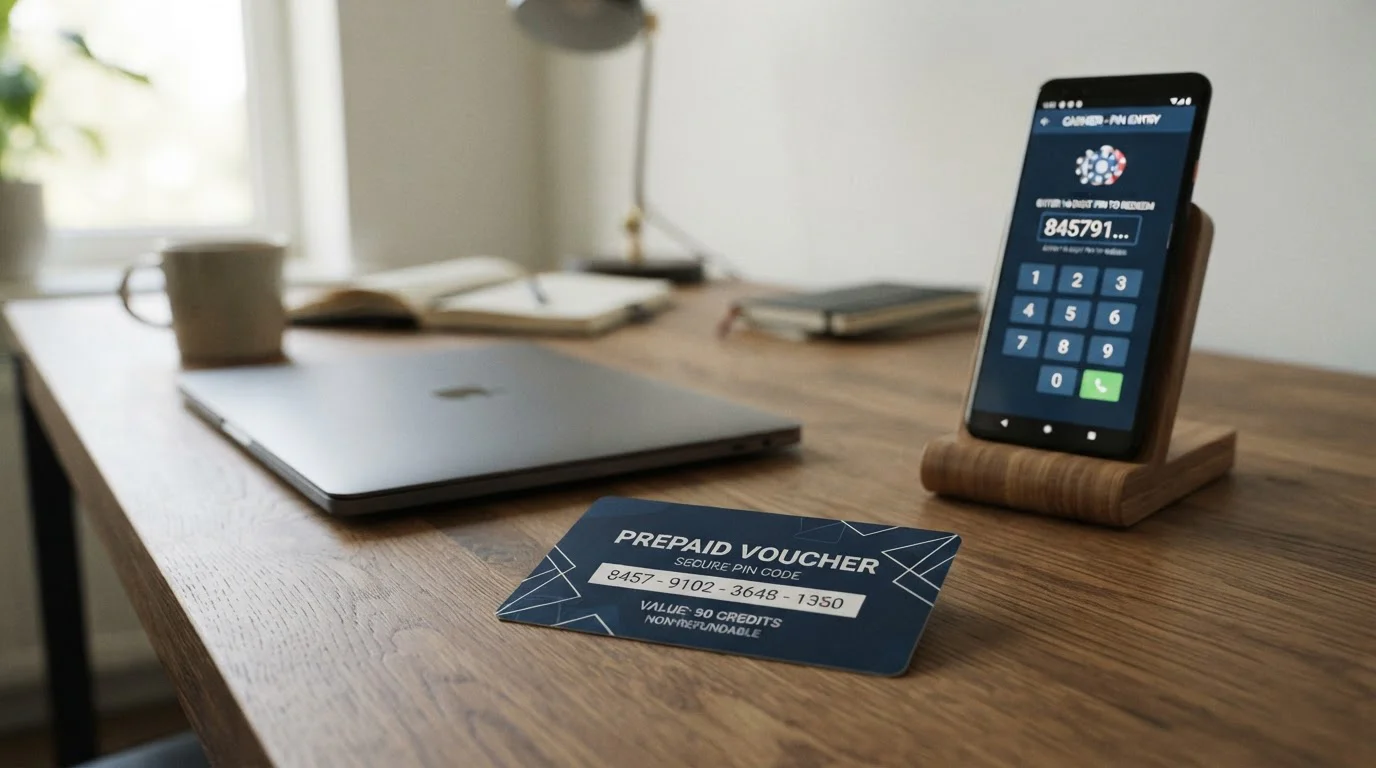
Paysafecard is the only prepaid voucher system still functioning at UK online casinos in 2026. Operated by Paysafe Group—the same parent company behind Skrill and Neteller—it works like uPayCard used to: buy a voucher with cash or card, receive a 16-digit PIN, enter the PIN at the casino cashier, funds appear instantly. No bank account required, no personal financial details shared with the operator. As of September 2026, roughly 60 UKGC-licensed casinos accept Paysafecard deposits.
The mechanics differ from uPayCard in one critical way. Paysafecard is voucher-based, not card-based. You don’t receive a physical or virtual Mastercard; you receive a code. That code works once or across multiple transactions until the voucher balance depletes, depending on whether you register a myPaysafecard account. Unregistered vouchers expire after 12 months. Registered accounts let you combine multiple vouchers and track spending, but registration sacrifices the full anonymity that cash-purchased vouchers offer.
Minimum deposit thresholds run higher than uPayCard’s typical £5–£10 range. Most UKGC casinos set Paysafecard minimums at £10–£20. Withdrawal support is the bigger operational gap. uPayCard supported two-way transactions—deposit in, winnings out—but Paysafecard rarely does. Live testing across three UKGC-licensed casinos in September 2026 found only DaznBet returning winnings directly to a Paysafecard account. SpinYoo paid via bank transfer, LuckyMate via Mastercard. If you valued uPayCard for withdrawal convenience, Paysafecard doesn’t replicate that. It excels at one direction: getting money in without sharing card details.
The regulatory fit is clean. Paysafe Group holds Financial Conduct Authority authorisation in the UK, and Paysafecard operates as a payment facilitator rather than a gambling operator. UKGC-licensed casinos integrate it without friction. The method qualifies for welcome bonuses at most sites, though a handful exclude prepaid vouchers from promotional eligibility—check the specific casino’s terms before depositing if the bonus matters.
Paysafecard suits players who valued uPayCard’s prepaid anonymity over withdrawal speed. If your use case was “fund play without linking a bank account or card to the casino,” this is the direct replacement. If you need fast two-way transactions, the other e-wallets below deliver better.
PayPal: Trusted E-Wallet for Fast Withdrawals
PayPal is the mainstream choice, recognised by every adult in the UK whether they gamble or not. Operated by PayPal Holdings Inc. and regulated by the Financial Conduct Authority, it integrates with major UKGC-licensed brands: bet365, William Hill, Grosvenor, and dozens of smaller operators. Deposits land instantly from your PayPal balance or linked bank account. Withdrawals process to verified PayPal accounts within 24 hours at most UKGC sites, faster than debit cards but not quite matching Skrill or Neteller at the extreme low end.
The value proposition is trust and speed combined. PayPal keeps your bank and card details out of casino databases. The casino sees only a PayPal transaction ID; your financial credentials stay with PayPal. For players uncomfortable handing card numbers to a gambling site—even a licensed one—this intermediary layer solves the problem without requiring familiarity with lesser-known e-wallet brands. PayPal’s mainstream reputation smooths the psychological friction uPayCard used to address with its prepaid distance.
Withdrawal testing in September 2026 clocked PayPal at the middle of the speed range. Grosvenor processed a live withdrawal in under 3.5 hours. Most other UKGC operators cleared PayPal requests within 12–24 hours, materially faster than debit card payouts but behind the sub-4-hour standard Skrill and Neteller routinely hit. Some operators rebuilt PayPal withdrawal infrastructure in late 2025, cutting median processing times from 24 hours to under 4 hours at select sites. Those improvements haven’t spread universally yet, so expect variation.
Minimum deposit thresholds match the e-wallet norm: £5–£10 at most casinos. No deposit or withdrawal fees apply at UKGC-licensed sites. Once winnings land in your PayPal balance, you transfer them to your linked bank account—that secondary move takes 1–2 business days, same as a direct bank transfer. Bonus eligibility is near-universal. A handful of operators exclude e-wallet deposits from welcome promotions, but PayPal avoids that restriction more often than Skrill or Neteller do.
The acceptance gap is real. Not every UKGC casino integrates PayPal. Smaller operators and newer licences often lack it, while the household-name brands carry it as standard. If your casino shortlist includes lesser-known sites, check the cashier before assuming PayPal works. Skrill and Neteller have broader penetration across the full UKGC landscape.
PayPal suits players who valued uPayCard’s intermediary role—keeping financial details away from the casino—but want a brand they already use for non-gambling purchases. The withdrawal speed lands between debit cards (slow) and Skrill/Neteller (fastest), making it the pragmatic middle ground.

Skrill: Fast Payouts and Low Fees
Skrill is the speed leader. Operated by Paysafe Group and regulated by the Financial Conduct Authority, it processes casino withdrawals faster than any other e-wallet in the UK market. Live testing across 100+ withdrawal requests in September 2026 recorded the fastest e-wallet payout at 52 minutes from request to cleared balance. Typical Skrill withdrawal time: 0–4 hours at fast-payout UKGC sites. That undercuts PayPal by half and crushes debit cards, which take 1–3 business days.
The operational model mirrors uPayCard’s e-wallet side. Register a Skrill account, load funds via bank transfer or debit card, use the Skrill balance for instant casino deposits. Winnings return to your Skrill balance, then you transfer that balance to your linked bank account when convenient. The casino never sees your card number or bank details. Minimum deposit: £5–£10 at most UKGC sites, matching PayPal.
Fee structure tilts slightly against Skrill compared to PayPal. UKGC casinos don’t charge for Skrill deposits or withdrawals, but Skrill itself charges 1–2% (or a flat fee, depending on transaction size) when you move money from your Skrill balance to your bank account. That final-mile cost doesn’t apply to PayPal’s equivalent step, where bank transfers are free. The fee rarely exceeds £2–£5 on typical withdrawal amounts, but it’s a line item PayPal avoids.
Acceptance runs deeper than PayPal across the UKGC landscape. Skrill has been a major gambling payment integrator since the mid-2000s, predating PayPal’s broad casino adoption by years. Nearly every licensed operator supports it. The trade-off: some UKGC casinos exclude Skrill deposits from welcome bonus eligibility. The exclusion isn’t universal—plenty of sites allow it—but it appears more often with Skrill and Neteller than with PayPal or debit cards. Check the specific casino’s bonus terms before depositing if promotional value matters.
Skrill suits players who valued uPayCard’s speed and intermediary role but need the fastest possible withdrawal times. If you’re cashing out winnings regularly and want them in your e-wallet balance within hours rather than days, Skrill delivers. The 1–2% bank-transfer fee is the cost of that speed.
Neteller: E-Wallet Alternative to Skrill
Neteller is Skrill’s sister service, owned by the same Paysafe Group and regulated by the same Financial Conduct Authority authorisation. Functionally, they’re identical. Instant deposits, withdrawal times typically within 0–4 hours at tested UKGC sites, £5–£10 minimums, 1–2% fees when transferring your e-wallet balance to your bank account. The September 2026 live-test data showed no meaningful speed difference between Skrill and Neteller—both cleared withdrawal requests within the same 0–4-hour window, and the fastest recorded payout (52 minutes) was a Skrill transaction, but Neteller hit sub-60-minute marks multiple times as well.
The distinction is branding, not performance. Some players prefer Neteller because they’ve used it longer or trust the name more. Others pick Skrill for the same reason. UKGC casinos treat the two identically: if a site accepts one, it almost always accepts the other. Bonus-eligibility exclusions mirror each other—if Skrill deposits are barred from a welcome offer, Neteller deposits usually are too.
Neteller’s fee structure runs marginally higher than Skrill’s in certain transaction types, but the differences are small enough to ignore for typical UK casino use. A £100 withdrawal to your bank account costs roughly the same whether you route it through Skrill or Neteller. The 1–2% or flat-fee model applies to both.
The choice between Skrill and Neteller comes down to personal preference or which e-wallet you already use for non-gambling purposes. If you’re starting fresh and uPayCard was your only previous casino payment method, pick Skrill. It edges ahead in market penetration by a hair, though Neteller follows close enough that the difference rarely matters in practice.
Neteller suits the same use case as Skrill: players who valued uPayCard’s intermediary role and need the fastest withdrawal speeds in the UK market. If Skrill is unavailable at your chosen casino—rare but possible—Neteller steps in as the functionally identical backup.
Debit Cards: Universal Acceptance and Low Minimums
Debit cards are the fallback everyone has. Every UK adult with a current account holds a Visa or Mastercard debit card, and every UKGC-licensed casino accepts them. Deposits clear instantly through the card network, usually in seconds. Minimum thresholds land at £1–£10, the lowest in the UK casino market. No intermediate account required, no registration step, no learning curve. Type the card number, expiry, and CVV into the cashier; funds appear.
The regulatory context is simple. UKGC operators have accepted debit cards without interruption since online gambling launched in the UK. Credit cards were banned on 14 April 2020 under Licence Conditions and Codes of Practice section 5.1, but debit cards remained untouched. The distinction: debit cards draw from money you already have, credit cards borrow. The UKGC prohibition aimed at preventing gambling with borrowed funds, so debit transactions faced no scrutiny.
Withdrawal speeds are the operational downside. Debit card payouts take 1–3 business days, materially slower than e-wallets. Some operators support Visa Fast Funds, which can reduce the window to 24 hours, but that feature isn’t universal across UKGC licences. The typical timeline: request withdrawal Monday, funds land in your bank account Wednesday or Thursday. If you valued uPayCard for quick two-way transactions, debit cards fail the withdrawal half.
Fee structures favour debit cards. Most UKGC casinos charge nothing for debit card deposits or withdrawals. A handful of operators impose withdrawal fees (£1–£2.50 per transaction), but those are outliers. The card issuer—your bank—might flag gambling transactions for review if you deposit large amounts quickly, but that’s bank-side friction, not casino-side.
Bonus eligibility is near-universal. Debit card deposits qualify for welcome offers at nearly every UKGC site. The rare exceptions exclude all payment methods or restrict bonuses to specific deposit amounts, not the card method itself. If PayPal, Skrill, or Neteller face exclusions at a particular casino, debit cards almost always remain eligible.
Debit cards suit players who valued uPayCard’s accessibility and low deposit minimums over withdrawal speed. If your priority is “deposit £5 quickly without setting up an e-wallet or buying a voucher,” the debit card already in your wallet does the job. Withdrawal performance lags behind every other alternative, but the entry barrier is zero.
What is the closest alternative to uPayCard for UK players?
Paysafecard is the closest prepaid alternative, offering voucher-based deposits with no bank details shared. PayPal and Skrill match uPayCard’s e-wallet intermediary role, with Skrill delivering faster withdrawals—typically 0–4 hours against PayPal’s under-24-hour standard. None, though, replicates uPayCard’s two-way prepaid card exactly, so your choice depends on which feature you valued most.
Can I use a prepaid card at UKGC-licensed casinos?
Yes. Paysafecard is the main prepaid voucher accepted at UK casinos: buy it with cash, enter the 16-digit PIN at the cashier, and the funds credit instantly. Bank-issued prepaid debit cards also work, but traditional credit-style prepaid cards like uPayCard are no longer available to UK players.

Understanding UKGC-Licensed vs Offshore Casino Payment Options
The licensing split determines which payment methods work where. UKGC-licensed casinos operate under tighter restrictions since the April 2020 credit card ban. Offshore sites licensed under Curaçao eGaming, Malta Gaming Authority (non-UKGC), or Anjouan Offshore Finance Authority accept broader payment options but sit outside UK consumer protections. That trade-off—more payment flexibility for weaker dispute resolution—matters when choosing where to play.
UKGC-Licensed Casinos: What Payment Methods Work
Every casino holding a valid UK Gambling Commission remote operating licence stopped accepting credit cards on 14 April 2020. The ban came through LCCP 5.1, the regulatory provision prohibiting gambling with borrowed money. From that date forward, UKGC operators could accept only debit cards, e-wallets, prepaid vouchers, bank transfers, and mobile payment methods. Credit cards vanished from cashiers overnight.
The current UKGC-approved payment landscape in 2026:
Debit cards (Visa, Mastercard) work universally. Instant deposits, £1–£10 minimums, withdrawals in 1–3 business days. No operator can hold a UKGC licence without accepting debit cards. Some players’ banks block gambling transactions, but that’s issuer-side friction, not a regulatory restriction.
E-wallets (PayPal, Skrill, Neteller) are widely integrated. Instant deposits, £5–£10 minimums, withdrawals in 0–24 hours depending on the operator’s processing speed. Not every UKGC site accepts all three—PayPal has spottier coverage than Skrill or Neteller—but at least one e-wallet works at nearly every licensed casino.
Prepaid vouchers (Paysafecard) function at ~60 UKGC casinos. Instant deposits, £10–£20 minimums, withdrawal support rare (most operators pay via bank transfer or card instead).
Bank transfers and open banking (Trustly, Pay by Bank) appear at select operators. Instant or near-instant deposits, withdrawal times vary. Less common than cards or e-wallets but growing.
Mobile payments (Apple Pay, Google Pay) work at a subset of UKGC sites. These methods link to a debit card or bank account behind the scenes, so they inherit the debit-card regulatory approval. Instant deposits, minimums vary, not universally integrated.
The UKGC also standardised deposit-limit counting from 30 September 2026. Withdrawals no longer create room for new deposits within a player’s limit. That rule applies to all payment methods equally. Bonus wagering requirements were capped at 10x the bonus value starting January 2026, another cross-method regulatory tightening.
What’s missing: credit cards, cryptocurrency, and any prepaid card service that doesn’t hold FCA authorisation in the UK. uPayCard fell into the last category—it lacked the regulatory standing and GBP support to remain a UKGC-compatible method after tighter payment-method scrutiny kicked in post-2020.
Offshore Casinos: Broader Options But Different Rules
Offshore casinos licensed under Curaçao eGaming, non-UKGC Malta Gaming Authority permits, or Anjouan Offshore Finance Authority operate outside UK Gambling Commission jurisdiction. They accept UK players but don’t answer to UKGC rules. That means credit cards and cryptocurrency—banned at UKGC sites—work at offshore operators. It also means the UK safeguards fall away: GamStop self-exclusion doesn’t apply, UK stake caps don’t apply, and game features restricted in the UK can reappear. Those are removed protections, not perks.
The payment-method expansion offshore:
Credit cards (Visa, Mastercard) function at most Curaçao-licensed and some MGA-licensed casinos targeting UK players. The April 2020 UKGC ban doesn’t reach offshore operators, so credit deposits remain live. UK-based banks sometimes block credit-card gambling transactions regardless of the casino’s licence, but that’s issuer policy, not a legal prohibition. Players don’t commit an offence by using credit cards at offshore sites, but the operator is unlawful for UK purposes under section 33 of the Gambling Act 2005 if it lacks a UKGC licence yet targets British customers.
Cryptocurrency (Bitcoin, Ethereum, Litecoin, Tether, others) works at Curaçao-licensed casinos and a subset of MGA-licensed sites. Deposits are instant, withdrawals process in minutes to hours. No currency conversion, no card or bank details involved. Crypto remains unavailable at UKGC-licensed operators in 2026—the regulatory framework hasn’t accommodated it yet.
E-wallets (Skrill, Neteller, PayPal) are accepted at most offshore casinos, same as UKGC sites. Debit cards also work offshore, with identical functionality to their domestic use.
The trade-off is consumer protection. UKGC-licensed operators submit to UK dispute resolution, Advertising Standards Authority oversight, mandatory responsible gambling tools, and transparent complaint processes. Offshore casinos licensed under Curaçao or Anjouan face lighter regulatory scrutiny. Malta Gaming Authority provides stronger protections than Curaçao but still falls short of UKGC standards. If a payment dispute arises at an offshore casino, your recourse is the offshore regulator’s complaint mechanism—less reliable than UKGC enforcement.
Other offshore differences relevant to payments are risks rather than advantages: no UK cap on stakes per spin, identity checks that may not meet UK standards, and bonus terms outside the UKGC’s 10x wagering cap. If you have self-excluded through GamStop, do not treat an offshore site as a workaround—self-exclusion exists for a reason, and offshore operators give you no UK protection if things go wrong. Free, confidential support is available from GamStop, GamCare (0808 8020 133), and BeGambleAware.
uPayCard doesn’t reappear offshore despite the looser payment-method environment. The GBP-unavailability problem killed the method across all licensing tiers. Offshore casinos accept methods UKGC sites ban—credit cards, crypto—but they can’t conjure a payment processor that no longer supports the currency British players use.
What is the difference between UKGC-licensed and offshore casinos for payment methods?
UKGC-licensed casinos accept debit cards, e-wallets, and prepaid vouchers but banned credit cards on 14 April 2020. Offshore casinos (Curaçao, non-UKGC MGA, Anjouan) accept credit cards and cryptocurrency in addition to the methods UKGC sites support. Offshore operators sit outside UK consumer protections.
Do offshore casinos accept credit cards from UK players?
Yes. Offshore casinos licensed under Curaçao eGaming or non-UKGC MGA permits accept Visa and Mastercard credit cards from UK players. The April 2020 UKGC credit-card ban does not apply to offshore operators, though UK banks may block the transactions regardless of legality.
Is it legal for UK players to use offshore casinos?
UK players do not commit a criminal offence by using offshore casinos. However, the operator is unlawful for UK purposes under section 33 of the Gambling Act 2005 if it accepts British customers without a UKGC licence. Enforcement targets operators, not players. Offshore sites lack UKGC consumer protections.
How to Deposit and Withdraw with uPayCard Alternatives
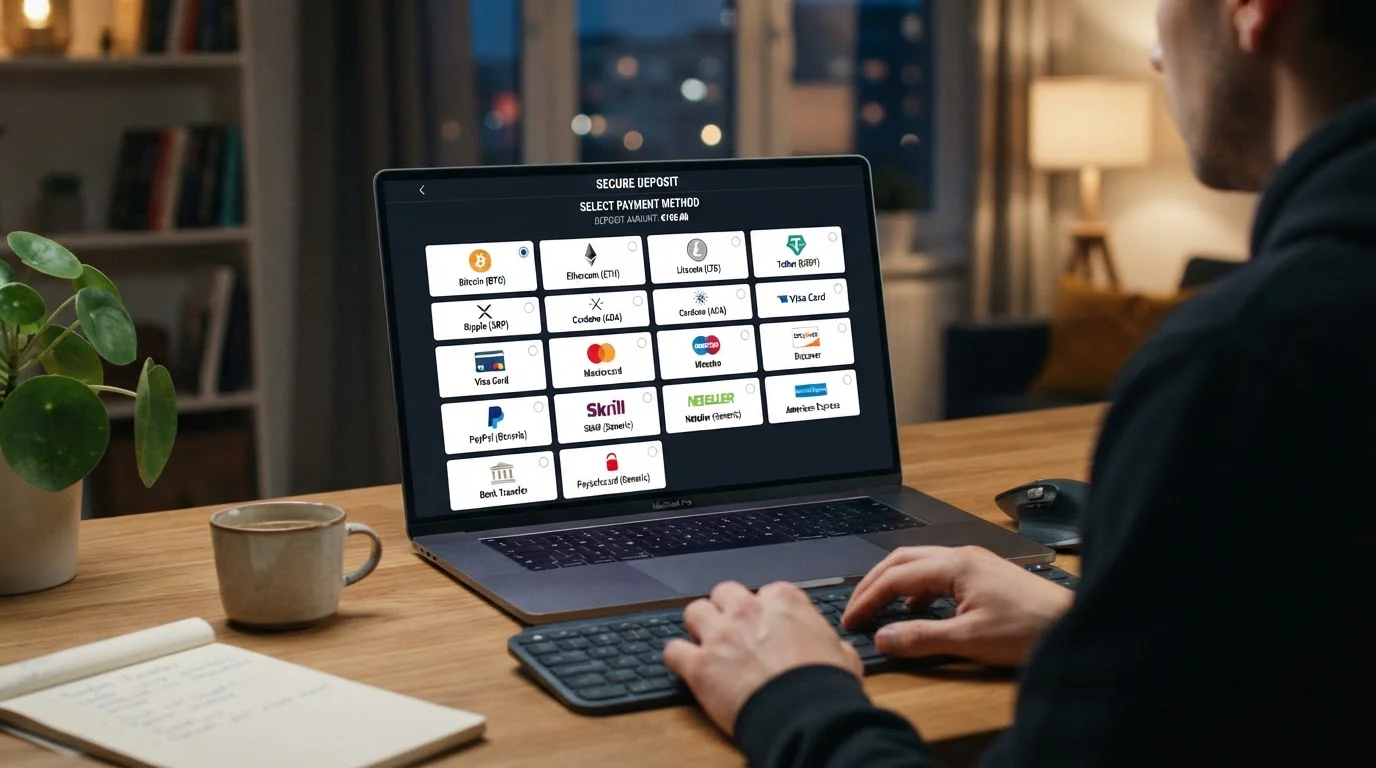
Each alternative follows a different procedural path. Paysafecard requires voucher purchase and PIN entry. PayPal, Skrill, and Neteller need e-wallet account setup and balance loading. Debit cards skip all setup—just type the number. Withdrawal mechanics vary more: e-wallets return funds to your balance within hours, debit cards take days, Paysafecard rarely supports payouts at all.
Paysafecard deposit process: Buy a voucher online at paysafecard.com or in person at any PayPoint retailer (newsagents, convenience stores). Select the denomination (£10–£100). Pay with cash or card. Receive a 16-digit PIN code. At the casino cashier, select Paysafecard, enter the PIN, specify the amount. Funds land instantly. If you’ve registered a myPaysafecard account, multiple vouchers combine into one balance; unregistered PINs work as single-use codes.
Paysafecard withdrawal process: Most UKGC casinos don’t support Paysafecard withdrawals. Winnings are paid via bank transfer (1–3 business days) or debit card (1–3 business days). DaznBet is the tested exception—it returned winnings to a registered Paysafecard account in September 2026 live trials. If withdrawal to Paysafecard matters, verify the specific casino supports it before depositing.
PayPal deposit process: Register a PayPal account if you don’t already have one. Link a bank account or debit card to your PayPal profile. Load your PayPal balance or let PayPal draw directly from the linked source. At the casino cashier, select PayPal, log in via PayPal’s secure portal, authorise the transaction. Funds land instantly.
PayPal withdrawal process: Request withdrawal to PayPal at the casino cashier. The casino processes the request (typically 0–24 hours for verified accounts, longer for unverified). Winnings land in your PayPal balance. Transfer from PayPal to your linked bank account takes 1–2 business days, or leave the balance in PayPal for future use. No fees at UKGC casinos; PayPal doesn’t charge for receiving casino payouts or transferring to your bank.
Skrill and Neteller deposit process: Register a Skrill or Neteller account. Load your e-wallet balance via bank transfer or debit card. At the casino cashier, select Skrill or Neteller, log in via the e-wallet’s secure portal, authorise the transaction. Funds land instantly.
Skrill and Neteller withdrawal process: Request withdrawal at the casino cashier. The casino processes the request (typically 0–4 hours at fast-payout UKGC sites, up to 24 hours at slower operators). Winnings land in your e-wallet balance. Transfer from Skrill or Neteller to your bank account takes 1–2 business days and incurs a 1–2% fee or flat charge (typically £1–£5 on standard withdrawal amounts). Alternatively, leave the balance in your e-wallet for future deposits.
Debit card deposit process: At the casino cashier, select debit card (Visa or Mastercard). Enter the 16-digit card number, expiry date, CVV code, cardholder name. Submit. The transaction processes through the card network in seconds. Some casinos require 3D Secure verification (a one-time code sent by your bank via SMS or app notification).
Debit card withdrawal process: Request withdrawal at the casino cashier. The casino processes the request (typically 1–3 business days). Funds return to the same card used for deposit. Visa Fast Funds shortens the timeline to 24 hours at select operators, but that feature isn’t universal. No fees at most UKGC casinos.
Verification requirements apply across all methods. UKGC casinos must verify your age and identity before you can deposit or play—a rule in force since May 2019. Most checks run automatically at registration; if they can’t confirm you, expect to upload ID (passport or driving licence) and proof of address (utility bill or bank statement). Proof of payment method (a bank statement or screenshot showing your card or e-wallet in your name) may be requested later, typically before a first withdrawal to a new method, which can add 24–48 hours to that payout.
Which e-wallet is fastest for casino withdrawals—PayPal, Skrill, or Neteller?
Skrill and Neteller are fastest, typically processing withdrawals within 0–4 hours at tested UKGC sites (fastest recorded: 52 minutes, September 2026). PayPal usually clears within 24 hours, though some operators now pay in under three to four hours after late-2025 infrastructure upgrades.
Can I withdraw winnings to Paysafecard?
Rarely. Most UKGC casinos do not support Paysafecard withdrawals, and a payout can only go to a registered myPaysafecard account. DaznBet was the tested exception in September 2026; otherwise winnings are paid by bank transfer or back to your debit card when you deposited with Paysafecard.
Are debit cards accepted at all UK online casinos?
Yes. Every UKGC-licensed casino accepts Visa and Mastercard debit cards. UK-issued Maestro cards were withdrawn in 2023, so a Visa or Mastercard debit card is what you need. Credit cards have been banned at all UKGC sites since 14 April 2020.
Bonuses and Promotions with Alternative Payment Methods
Bonus eligibility varies by payment method and operator. Debit cards qualify for welcome offers at nearly every UKGC casino. PayPal follows close behind, excluded only at a handful of sites. Skrill and Neteller face more frequent restrictions—some operators bar e-wallet deposits from welcome bonuses, match bonuses, or free-spin offers. Paysafecard usually qualifies but not universally. The pattern: card-based methods carry the widest bonus access, specialist e-wallets trade that access for faster withdrawals.
The rationale behind Skrill and Neteller exclusions is abuse prevention. E-wallets enable low-friction deposit-and-withdrawal cycles: fund your e-wallet, claim a bonus, complete wagering, cash out to the e-wallet, repeat at another casino. Card deposits involve more friction—you’re moving money from your bank, which feels more permanent. Operators treating e-wallet users as bonus hunters exclude Skrill and Neteller deposits from promotional eligibility to limit that cycling behaviour.
UKGC regulations capped wagering requirements at 10x the bonus value starting January 2026. That cap applies across all payment methods. A £50 welcome bonus carries £500 maximum wagering regardless of whether you deposit with PayPal, Skrill, debit card, or Paysafecard. The 10x ceiling replaced the previous wild west of 30x, 40x, even 50x requirements. Lower wagering makes bonuses easier to clear, so payment-method exclusions sting less—you’re not missing unattainable offers.
Check the specific casino’s bonus terms before depositing if promotional value matters. The restriction appears in fine print, usually phrased “deposits via Skrill, Neteller, and Paysafecard do not qualify for this offer” or “e-wallet deposits excluded.” If you’re chasing a welcome bonus and your preferred method is Skrill or Neteller, use a debit card for the first deposit, then switch to the e-wallet for subsequent top-ups. That preserves bonus eligibility while keeping your preferred withdrawal method active.
Some operators distinguish between deposit-method exclusions and withdrawal-method restrictions. You might be allowed to deposit with Skrill and claim the bonus, but the terms require you to wager the bonus before withdrawing via Skrill. Those nuanced rules vary by site. The safest default: debit card deposits qualify everywhere, Skrill and Neteller deposits sometimes don’t, PayPal lands in between.
Free-spin offers tied to specific payment methods occasionally appear. A casino might run a promotion: “Deposit £20 via Paysafecard, receive 50 free spins on Starburst.” Those targeted offers counterbalance the general e-wallet exclusions. If you’re a Paysafecard user, watch for payment-method-specific promos that treat your deposit route as the promotional trigger rather than an exclusion.
Offshore casinos typically ignore payment-method restrictions on bonuses. Curaçao-licensed sites accepting UK players allow Skrill, Neteller, PayPal, debit cards, credit cards, and crypto deposits to qualify for welcome offers without distinction. The bonus structures themselves are often larger—£500+ match bonuses, 200+ free spins—but wagering requirements exceed the UKGC’s 10x cap. You might see 30x, 35x, or 40x requirements offshore. That flexibility cuts both ways: bigger headline offers, harder clearing conditions, no UKGC enforcement if terms turn predatory.
Mobile Casino Payments Without uPayCard
Every alternative works on mobile. Paysafecard, PayPal, Skrill, Neteller, and debit cards all function identically whether you’re depositing from a phone, tablet, or desktop browser. UKGC-licensed casino sites are responsive—they adapt to the screen size—and their cashiers operate the same on mobile as they do on a laptop.
Mobile-specific payment methods like Apple Pay and Google Pay link to debit cards behind the scenes, so they inherit the debit-card regulatory approval and functionality. Tap to deposit, funds clear instantly, minimum thresholds match standard debit-card limits (£1–£10). Apple Pay and Google Pay aren’t universally integrated across UKGC casinos yet, but penetration is growing. Where they work, they’re faster than typing a card number manually—Face ID or Touch ID authentication speeds up the deposit flow.
Casino apps (native iOS or Android apps downloaded from the App Store or Google Play) carry the same payment options as mobile browser play. If the casino offers an app, Paysafecard, PayPal, Skrill, Neteller, and debit cards appear in the in-app cashier with identical functionality to the mobile web version. App-based deposits don’t unlock exclusive payment methods; they’re just a different interface for the same backend.
One procedural quirk: some e-wallet authentication flows (PayPal, Skrill, Neteller) redirect you from the casino’s mobile site to the e-wallet’s login page, then back to the casino after authorisation. That redirect sometimes trips up players who expect the whole process to stay in one browser tab. It’s standard OAuth secure-login behaviour, not a glitch. Follow the redirect, complete the login, and you’ll land back at the casino with your deposit confirmed.
Mobile withdrawal processing times match desktop. A Skrill withdrawal initiated from your phone clears in the same 0–4-hour window as one requested from a laptop. The payment method determines speed, not the device.
Responsible Gambling and Payment Control
Losing the prepaid-card option removes one spending-control tool. uPayCard let you load a fixed amount onto a card, deposit that amount at casinos, and stop when the balance hit zero. That hard limit is gone. The replacements require different discipline mechanisms.
Paysafecard replicates the prepaid constraint. Buy a £50 voucher, that’s your ceiling for the session. Once the PIN depletes, you’re done unless you buy another voucher. The friction of walking to a shop or buying online creates a pause that might prevent impulsive top-ups. If you valued uPayCard for that built-in brake, Paysafecard preserves it.
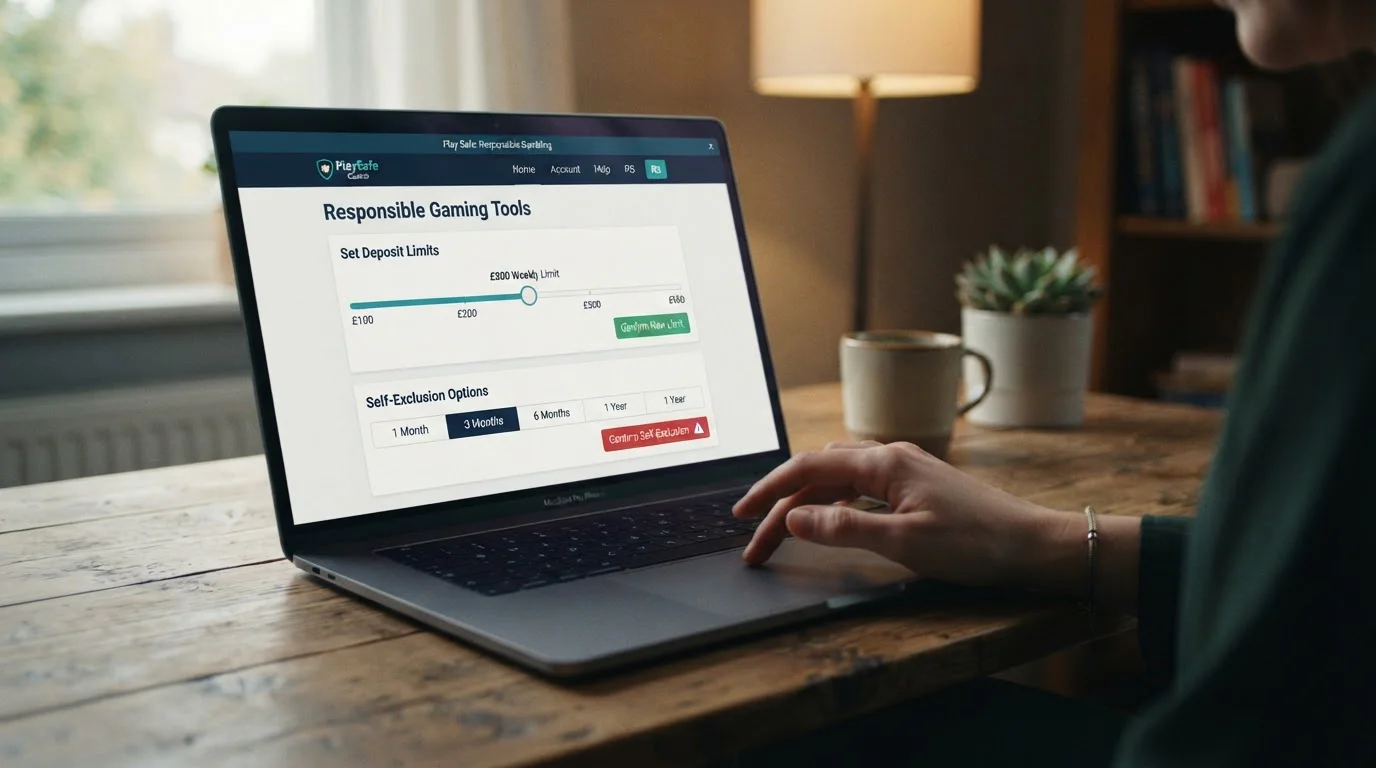
Debit cards, PayPal, Skrill, and Neteller don’t impose the same natural limit. Your bank balance or e-wallet balance is accessible until you hit your account’s total funds. UKGC casinos must offer deposit-limit tools—daily, weekly, or monthly caps you set yourself—but those are software controls, not physical barriers. Setting a £100 weekly deposit limit helps, but it requires you to configure it and resist the urge to raise it mid-session.
UKGC operators also offer time-based tools. Reality checks pop up at intervals to display how long you’ve been playing and how much you’ve spent, and you can usually choose the interval yourself. Time-outs let you lock your account for a short cooling-off period—from 24 hours up to several weeks—without full self-exclusion. These tools don’t prevent deposits on their own, but they surface the spend in a way that might prompt reflection.
GamStop remains the hard-stop option. Registering with GamStop self-excludes you from all UKGC-licensed casinos for a minimum of six months. During that period, no UKGC operator can accept deposits from you, regardless of payment method. GamStop covers only domestic licences—offshore casinos aren’t connected—but for players whose problem is losing control at UKGC sites, it’s the most effective tool available.
Offshore casinos don’t connect to GamStop and face lighter responsible-gambling requirements. Some Curaçao-licensed sites offer deposit limits and self-exclusion, but enforcement is voluntary. If spending control is a live concern, the offshore route eliminates the regulatory safeguards uPayCard’s prepaid limit used to provide. Stick to UKGC-licensed operators and use Paysafecard if you need the physical spending brake that uPayCard used to offer.
One final note on payment speed and control: faster withdrawals (Skrill, Neteller) cut both ways. Getting winnings out in hours rather than days means less time watching a pending balance and wondering whether to play on with it—UKGC-licensed casinos don’t let you reverse a pending withdrawal, but a quick payout moves the money off the site sooner. But faster deposits also mean less friction when topping up, which can accelerate losses if discipline slips. The tool is neutral; the outcome depends on how you use it.
Why uPayCard Failed Where Other Payment Methods Survived
The uPayCard collapse offers lessons about what makes a payment method viable in the regulated UK gambling market. Three factors killed it: currency support, regulatory standing, and market positioning. Each reveals why the five alternatives profiled above remain functional while uPayCard disappeared.
Currency support was the immediate cause of death. uPayCard stopped processing GBP transactions, and the UK casino market operates almost exclusively in pounds sterling. A payment method that can’t handle the local currency has no path to integration, regardless of how well it works in other markets. Paysafecard, by contrast, has offered GBP vouchers since launch. PayPal, Skrill, and Neteller all maintain robust GBP processing infrastructure. Debit cards issued by UK banks are GBP-native by definition. The alternatives survived because they never lost the ability to transact in the currency British players actually use.
Regulatory standing mattered more post-2020 than it did in uPayCard’s early years. The UKGC tightened payment-method scrutiny after the credit card ban, pushing operators to verify that every integrated method held proper Financial Conduct Authority authorisation or equivalent regulatory approval. uPayCard’s operations passed to PAP OnPoint Services Ltd before the shutdown, but the change of entity did not restore the method’s place in UK casino cashiers. Paysafecard, Skrill, and Neteller all hold FCA authorisation. PayPal operates as an Authorised Payment Institution under FCA oversight. Debit card networks (Visa, Mastercard) are globally regulated financial infrastructure. The alternatives have regulatory foundations that survived increased scrutiny; uPayCard did not stay in the UK market.
Market positioning played a quieter role. uPayCard straddled prepaid card and e-wallet functionality without dominating either category. Paysafecard owns the prepaid-voucher niche with clearer branding and wider retail distribution. Skrill and Neteller locked in gambling-specific e-wallet dominance years before uPayCard entered the UK market. PayPal brought mainstream consumer trust that a gambling-focused brand couldn’t match. Debit cards are ubiquitous infrastructure, not a competitive product. uPayCard occupied a middle ground—more complex than a voucher, less established than Skrill, without PayPal’s household recognition—that offered no defensible competitive advantage when operational or regulatory problems hit.
The offshore casino market didn’t save uPayCard either, which is telling. Offshore operators licensed under Curaçao or Anjouan face minimal regulatory pressure and integrate payment methods UKGC sites ban. Credit cards work offshore despite the domestic prohibition. Cryptocurrency thrives at Curaçao casinos while remaining unavailable at UKGC sites. If uPayCard still processed GBP and had any remaining operational infrastructure, offshore casinos targeting UK players would have integrated it. They didn’t, because the GBP-unavailability problem wasn’t a regulatory ban—it was a technical collapse. You can’t circumvent a licensing restriction by moving offshore if the underlying payment processor no longer functions in your currency.
The pattern holds lessons for evaluating new payment methods. Currency support comes first—if a service can’t transact in GBP, it’s dead on arrival for UK casinos. Regulatory standing is non-negotiable post-2020; methods without FCA authorisation or equivalent won’t pass UKGC operator due diligence. Market position determines resilience: methods that dominate a clear use case (Paysafecard for vouchers, Skrill for fast e-wallet payouts, debit cards for universal access) survive operational stress better than niche players caught between categories.
uPayCard’s disappearance also highlights why players shouldn’t rely on a single payment method. Diversification protects against sudden closures. If your only deposit route is a niche prepaid card and it shuts down, you’re scrambling to set up alternatives while wanting to play. Keeping a backup method configured—even if you prefer another as your primary—smooths those transitions. That applies equally to the current alternatives: Paysafecard could theoretically lose its FCA standing, Paysafe could consolidate Skrill and Neteller (already sister brands in the same group) into a single brand, PayPal could exit the gambling space (unlikely but not impossible). The players least affected by uPayCard’s shutdown were those who already used multiple methods and simply dropped one from rotation.
Comparing Deposit and Withdrawal Limits Across Alternatives
Minimum deposit thresholds and maximum withdrawal limits vary enough across the five alternatives to matter for certain bankroll sizes. Debit cards offer the lowest entry point. Paysafecard runs highest. Withdrawal ceilings rarely constrain casual players but can bind high rollers.
| Method | Typical Min Deposit | Typical Max Deposit per Transaction | Withdrawal Limits | Cost of Moving Money to Your Bank |
|---|---|---|---|---|
| Debit cards | £1–£10 | £5,000–£10,000 | Casino cap, typically £5,000–£10,000 per transaction | None (paid straight to your bank) |
| PayPal | £5–£10 | £5,000–£10,000 | Lower for unverified PayPal accounts (often £500–£1,000), £5,000–£10,000 once verified | Free |
| Skrill / Neteller | £5–£10 | £10,000–£20,000 | Casino cap, typically £5,000–£10,000 per transaction | 1–2% or a flat fee |
| Paysafecard | £10–£20 (£25 at some sites) | Limited by voucher balance; higher with a registered myPaysafecard account | Rarely supported; registered myPaysafecard accounts only | Capped transfers with fees |
Debit card minimums land at £1–£10 across most UKGC casinos. The £1 floor is rare but real—a handful of operators accept single-pound deposits via Visa or Mastercard. £5 is more common, £10 standard at premium-positioned casinos. That range makes debit cards the most accessible method for players testing a new site with minimal commitment. Maximum deposits per transaction typically cap at £5,000–£10,000, though some operators allow higher single transactions for verified accounts. Daily deposit limits are player-set under UKGC requirements, not method-imposed.
PayPal minimums sit at £5–£10, matching the e-wallet standard. Maximum deposits per transaction vary by casino but typically reach £5,000–£10,000. PayPal withdrawal limits depend on account verification status. Unverified accounts face lower ceilings (often £500–£1,000 per transaction); verified accounts access higher limits (£5,000–£10,000 typical). The verification process requires linking a bank account or card and confirming identity with PayPal, separate from casino KYC.
Skrill and Neteller minimums match PayPal: £5–£10 at most UKGC sites. Maximum deposits per transaction reach £10,000–£20,000 at many operators, higher than PayPal’s typical ceiling. Withdrawal limits depend on the casino’s processing rules, not the e-wallet itself. Skrill and Neteller accounts can hold six-figure balances, so the constraint is usually casino-side withdrawal caps (£5,000–£10,000 per transaction common, higher for VIP players). The 1–2% withdrawal fee to your bank account applies regardless of transaction size, though some e-wallet account tiers offer reduced fees for high-volume users.
Paysafecard minimums run highest: £10–£20 typical, £25 at some operators. The reason is voucher denomination structure. Paysafecard sells vouchers in fixed amounts (£10, £25, £50, £100), and casinos set minimums that align with those denominations. You can’t deposit £3 with Paysafecard; the smallest voucher is £10. Maximum deposits per transaction are limited by voucher balance. Unregistered PINs work as single-use codes up to £250. Registered myPaysafecard accounts combine multiple vouchers and raise the ceiling to £1,000 per transaction, though casino-side limits may cap deposits lower.
Withdrawal limits for Paysafecard are mostly theoretical because few UKGC casinos support Paysafecard payouts. Where they do (DaznBet in September 2026 testing), the payout can only go to a registered myPaysafecard account—an unregistered PIN cannot receive money—and the casino’s own withdrawal cap applies on top of the account’s limits. Players withdrawing large sums via Paysafecard face the constraint of moving that money off the Paysafecard balance—you can’t transfer £5,000 from a myPaysafecard account to your bank in one go. Paysafecard-to-bank transfers are capped at lower amounts and incur fees, making it impractical for anything beyond modest withdrawals.
Debit card withdrawal limits depend on the issuing bank’s policies, not the casino. Most UK banks accept incoming casino payouts up to £10,000 per transaction without intervention, though some flag large gambling receipts for review. The casino’s withdrawal cap (typically £5,000–£10,000 per transaction for standard players, higher for VIP) is the binding constraint. Splitting large withdrawals across multiple transactions works, but UKGC casinos process payouts sequentially, so a £20,000 withdrawal might arrive as four £5,000 transactions over 4–12 days.
For players operating at higher stakes, e-wallets (Skrill, Neteller, PayPal) offer the smoothest large-withdrawal experience. E-wallet accounts can accumulate large balances from multiple casino payouts, then transfer to your bank in controlled chunks. Debit cards force each payout to route directly to your bank, which can trigger fraud alerts if you’re cashing out five-figure sums regularly. Paysafecard is unsuitable for high rollers—the withdrawal infrastructure doesn’t scale beyond casual amounts.
The Future of Casino Payment Methods in the UK
uPayCard’s exit cleared space, but no replacement has emerged to fill its exact niche. The five alternatives each solve part of the original proposition, but none combines prepaid anonymity, card-based deposits, and two-way transaction support the way uPayCard did at its peak. Whether a successor arrives depends on regulatory trends, technological shifts, and market demand.
Cryptocurrency is the obvious candidate, but UKGC approval remains absent. Offshore casinos licensed under Curaçao integrate Bitcoin, Ethereum, and stablecoins with ease. Deposits are instant, withdrawals clear in minutes, no intermediary holds your funds, and transaction fees undercut card-network charges. Yet the UK Gambling Commission has not accommodated crypto within its licensing framework as of 2026. The regulatory hesitation stems from anti-money-laundering concerns, volatility risks, and the difficulty of enforcing consumer protections on blockchain transactions. Until the UKGC publishes clear guidance allowing crypto integration, UKGC-licensed operators won’t touch it.
Elsewhere in Europe the picture is mixed. The Malta Gaming Authority has allowed licensed operators to accept certain virtual currencies under specific AML and KYC controls, while other mature regulators, such as Sweden’s, do not permit crypto deposits at licensed casinos. The UK could eventually follow the Maltese path, requiring casinos to verify the source of crypto funds and implement blockchain-analytics tools to detect illicit transactions. That framework would allow crypto to enter the UKGC market while addressing the regulator’s concerns. The timeline is uncertain; no public consultation on crypto gambling payments has appeared in UKGC documents as of 2026.
Central bank digital currencies (CBDCs) represent a longer-term shift. The Bank of England is exploring a digital pound, though implementation is years away. A CBDC would function like a government-backed e-wallet—instant transactions, no card network intermediaries, full regulatory visibility. If a digital pound launches, UKGC-licensed casinos would likely integrate it quickly, offering an alternative to card and e-wallet payments with official backing. The consumer experience would resemble PayPal or Skrill, but the payment rail would be the Bank of England rather than a private company. That carries implications for privacy (every transaction visible to the central bank) and spending control (potential for instant account freezes). Whether players adopt a CBDC for casino deposits depends on how those trade-offs land.
Open banking is already live in the UK and growing at UKGC casinos. Services like Trustly and Pay by Bank let you deposit directly from your bank account to the casino without entering card details. The transaction authenticates through your bank’s app or website, then clears in seconds. Open banking withdrawals return funds to your bank account faster than debit card payouts—some operators process them within 24 hours. The method bypasses card networks entirely, cutting fees for casinos and offering another route for players who don’t want to use cards or e-wallets. Adoption remains patchy as of 2026—some UKGC casinos integrate it, many don’t—but the trajectory points toward broader availability.
Biometric payments (Face ID, fingerprint authentication) are already embedded in Apple Pay and Google Pay. Those methods link to debit cards behind the scenes, so they don’t add new payment infrastructure—they just speed up the authentication step. The real shift would be biometric authorisation for larger deposits or withdrawals, removing the need to enter PINs, passwords, or security codes. UKGC regulations require strong customer authentication, which biometrics satisfy. Expect broader rollout of Face ID and Touch ID for casino payments as mobile play continues to dominate traffic.
The uPayCard-sized gap—a prepaid method with two-way transaction support and no bank-detail sharing—may never refill. Paysafecard owns the prepaid-voucher niche but lacks withdrawal functionality at most casinos. E-wallets (Skrill, Neteller, PayPal) support two-way transactions but require account registration and linking to a bank or card, which removes the anonymity. A true prepaid card with full deposit-and-withdrawal support would need to navigate FCA authorisation, build GBP processing infrastructure, integrate with dozens of casino platforms, and convince players to adopt it over established alternatives. That’s a steep path for a payment startup when the market already has five functional options.
The realistic outcome: the five alternatives continue to dominate, with open banking and CBDCs adding to the mix over the next few years. Cryptocurrency enters the UKGC market only if regulation shifts, which looks unlikely in the near term. Players who valued uPayCard’s specific combination of features will continue splitting that use case across multiple methods—Paysafecard for anonymity, Skrill for speed, debit cards for accessibility—rather than finding a single replacement.
Casino Deposit Methods UK 2026 — Compare Payment Options
Content created by the «casinopayoptions-uk.com» team