
Mobile Top-Up Casino UK 2026: Pay by Phone Bill Deposits Tested
 Available in GB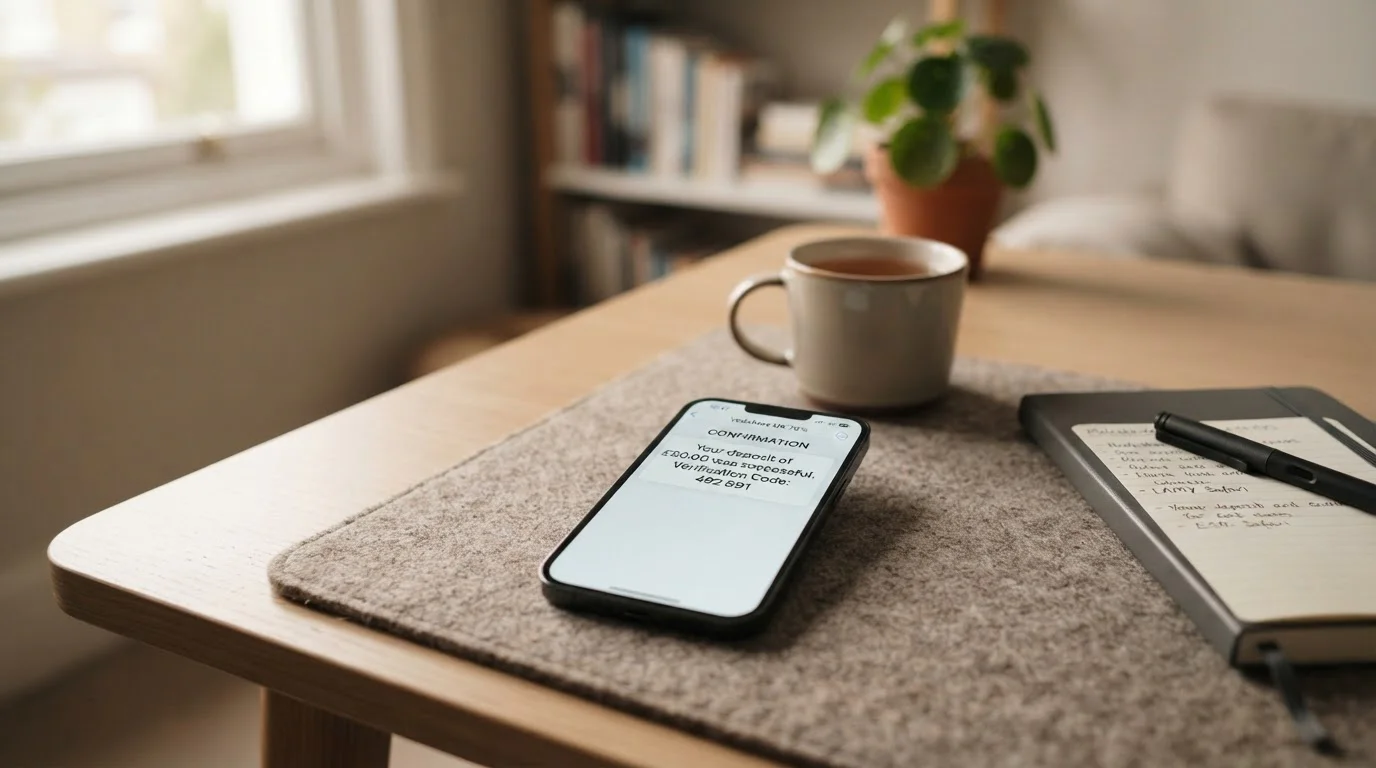
Charging casino deposits to your phone bill sounds convenient until you hit the £30 transaction cap, discover you cannot withdraw winnings back to airtime, and realise most UK operators either don’t offer it or quietly tack on fees. A handful of UKGC-licensed sites do accept Boku, Payforit or Fonix billing, but the method suits a narrow use case: casual players making small top-ups who already have another payment method lined up for cashouts.
This guide identifies which UK casinos accept mobile phone billing in 2026, explains how Boku and Payforit work in practice, maps deposit limits and fees per operator, and clarifies why you will need a second method for withdrawals. Every operator profiled below holds a current UKGC licence. The comparison tables flag which ones charge nothing to deposit by phone and which levy the standard 15-30p fee.
What Is a Mobile Top-Up Casino and How Does It Work?
A mobile top-up casino lets you deposit funds by charging the amount to your monthly phone bill or deducting it from pay-as-you-go credit. No bank details enter the casino cashier. No card numbers get saved. You type your UK mobile number, confirm via SMS, and the deposit lands in your casino balance within seconds. The charge appears on your next phone bill if you are on a contract, or vanishes from your PAYG credit immediately if prepaid.
Boku, Payforit and Fonix are the payment providers that connect UK casinos to mobile network billing systems. When you select “Pay by Mobile” at a casino cashier, one of these intermediaries processes the transaction. The casino never sees your phone account details. The network operator (EE, Vodafone, Three, O2) approves or rejects the charge based on your credit status, monthly spend cap, and whether premium billing is enabled on your account.
The appeal is speed and simplicity. Funds hit your casino account instantly, and no bank or card details are shared with the casino. For players who prefer not to link a debit card to a gambling site, or who want a hard spending cap enforced at the network level, mobile billing offers an alternative. The trade-off is restrictive transaction limits and one-way flow: deposits work, withdrawals do not.

The Mobile Billing Deposit Process Step-by-Step
You navigate to the casino cashier and select the mobile payment option. Labels vary: “Pay by Mobile,” “Pay by Phone,” “Phone Bill,” “Boku,” or “Payforit” depending on which provider the operator integrates. You enter the deposit amount—typically between £5 and £30, the bracket most networks allow per transaction. You type your UK mobile number into the form. The payment provider sends an SMS to that number with a one-time confirmation code or a simple yes/no prompt.
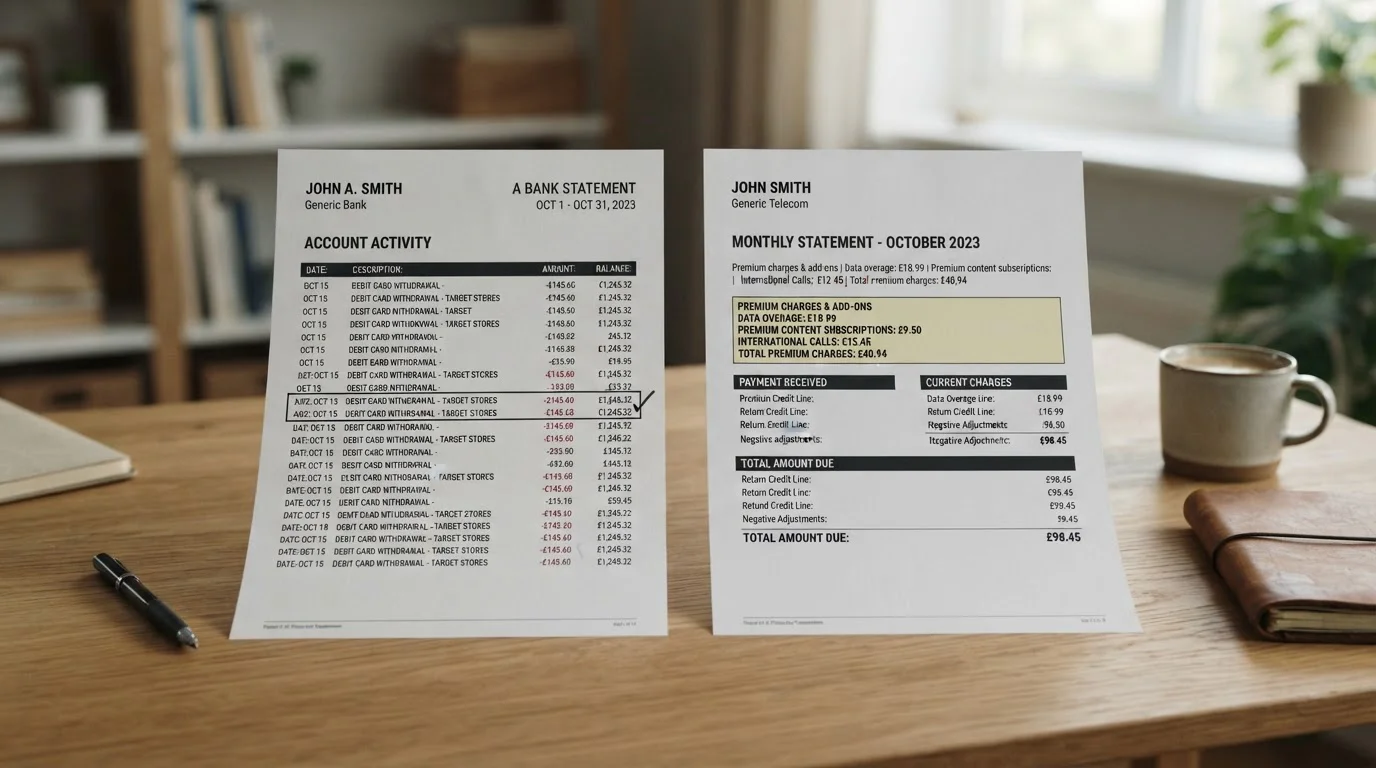
You reply to the SMS or enter the code in the casino interface. The transaction processes. Your casino balance updates within 10 to 60 seconds. If you are on a postpay contract, the charge appears as a premium billing line item on your next monthly statement, grouped with app purchases and subscriptions. If you are on PAYG, the amount deducts from your credit balance immediately, the same way a top-up voucher purchase would.
The entire flow takes under a minute when the network connection is stable. No OTP sent to email, no 3D Secure redirect, no bank app authentication. The friction is minimal, which is why operators pitch it for impulse deposits. The SMS confirmation is the only security gate. If someone has your phone and your PIN, they can authorise a deposit. Most networks enforce daily and monthly caps to contain that risk.
Boku, Payforit, Zimpler and Fonix: Payment Providers Explained
Boku powers the majority of UK casino mobile billing in 2026. It replaced the older Payforit infrastructure at most operators and works seamlessly with EE, Vodafone, Three, O2, and MVNOs like Sky Mobile, Tesco Mobile, and giffgaff. Boku enforces a £30 per-transaction cap and processes deposits instantly. Fees depend on the operator: some absorb the cost, others pass through 15-30p per deposit.
Payforit is the legacy system, owned jointly by UK mobile networks. It still appears at a few operators but has lost ground to Boku. Functionally identical: you enter your number, confirm via SMS, the charge goes to your bill. Transaction limits and fee structures mirror Boku. Some players report slightly slower SMS delivery with Payforit, though the difference is marginal.
Zimpler is a Swedish fintech often listed alongside Boku, but it is not UK phone billing. It is a pay-by-bank service: you start the payment with your mobile number, then approve an account-to-account transfer in your banking app, and the money leaves your bank account rather than landing on your phone bill. Very few UKGC-licensed casinos offer it, and limits are set by the casino and your bank rather than by a mobile network. If you see Zimpler under a “pay by mobile” heading, expect a bank payment, not an airtime charge.
Fonix handles premium SMS and mobile billing for digital content providers, including a handful of UK gambling operators. It works across all four major networks. Transaction caps and fee structures align with Boku. Market share is smaller. Most players encounter Fonix only at niche or white-label casinos.
The table below compares the four providers on key parameters. All support instant processing. Network compatibility is near-universal. The meaningful differences are market penetration and fee transparency.
| Provider | Transaction Limit | Typical Fee | UK Networks Supported | Processing Speed | Market Position UK 2026 |
|---|---|---|---|---|---|
| Boku | £5-£30 | 15-30p (operator-dependent; some charge £0) | EE, Vodafone, Three, O2, MVNOs | Instant (under 60 seconds) | Dominant; most UK casinos |
| Payforit | £5-£30 | 15-30p | EE, Vodafone, Three, O2 | Instant | Legacy; declining market share |
| Zimpler | Set by casino and bank | See operator T&Cs | Not network-billed (pay-by-bank) | Instant | Niche; pay-by-bank, not phone billing |
| Fonix | £5-£30 | 15-30p | EE, Vodafone, Three, O2, MVNOs | Instant | Small market share; white-label focus |
No provider offers transaction limits above £30 in the UK. If you see a casino advertising £50 or £100 mobile deposits, it is marketing fluff or it is routing through a different mechanism (likely a card-on-file charged via mobile confirmation, not true phone billing). The £30 cap is a network-level restriction, not a casino choice.
Postpay vs Pay-As-You-Go: How Your Phone Plan Affects Deposits
Postpay contract holders see mobile casino deposits as premium billing charges on their next monthly statement, grouped with app purchases, charity donations, and subscription services. The transaction does not hit your bank account until the billing cycle closes. This introduces a delay—sometimes 30 to 45 days—between the deposit and the actual cash outflow. For budgeting purposes, that can obscure real-time gambling spend.
Monthly caps apply at the network level. EE, Vodafone, Three and O2 each enforce a ceiling on total premium billing per month, typically £250 to £400 depending on your account history and credit status. Casino deposits count toward that cap alongside every other premium charge. If you have already bought £200 of app subscriptions and digital content in a given month, your remaining headroom for casino deposits shrinks accordingly. Hit the cap, and further deposit attempts fail until the next billing cycle.
PAYG users see immediate deduction from their credit balance. The casino deposit works the same way as buying a top-up voucher or a ringtone: the charge deducts in real time. No delay, no monthly statement. The trade-off is that PAYG users often face tighter transaction limits—some networks cap PAYG premium billing at £10 or £20 per transaction where postpay users get the full £30. Monthly caps still apply, but they reset based on calendar month rather than billing cycle.
One quirk worth flagging: if your PAYG credit balance is below the deposit amount you attempt, the transaction fails outright. The payment provider will not split the charge or prompt you to top up first. You fund your phone credit, then retry the casino deposit. Postpay users rarely encounter this problem because the network extends credit up to your monthly cap.
How long does it take for a mobile top-up casino deposit to appear in my account?
Between 10 and 60 seconds from SMS confirmation, usually within 30. Longer delays normally mean the SMS did not reach the provider, the network declined the charge, or the gateway is busy. If nothing lands within five minutes, contact support before retrying—a second attempt can charge your phone twice.
Can I use mobile phone billing for casino deposits if I am on a pay-as-you-go plan?
Yes. PAYG plans support casino deposits via Boku, Payforit and Fonix, with the charge taken from your prepaid credit immediately rather than a monthly bill. Some networks set lower PAYG limits—£10 or £20 instead of £30. Make sure your credit balance covers the full amount, or the deposit fails.
Best Mobile Top-Up Casinos in the UK for 2026
Five UKGC-licensed operators stand out for mobile phone billing in 2026: three charge nothing to deposit by phone, and two stand out for withdrawal speed and game selection. All five accept Boku or equivalent mobile payment providers. The table below maps each operator to its licence status, payment provider, deposit fees, game count and primary distinguishing feature.
| Operator | UKGC Licence | Payment Provider | Deposit Fees | Game Count | Distinguishing Feature |
|---|---|---|---|---|---|
| IvyCasino | UKGC-licensed | Boku | £0 | Not disclosed | Zero deposit fees; Betable backing |
| Oreels | UKGC-licensed | Boku | £0 | around 2,000 | Big Bass focus; launched 2017 |
| Bet442 | UKGC-licensed | Boku | £0 | around 2,300 | Newest platform; sportsbook + casino |
| Duelz | UKGC-licensed | Pay by mobile (provider not published) | See operator T&Cs | around 2,000 | 1-3 hour e-wallet withdrawals; 10% no-wagering weekly cashback |
| Casino Kings | UKGC-licensed | Pay by mobile (provider not published) | See operator T&Cs | several thousand | Largest game library; multi-vertical (casino/sports/bingo) |
The first three share a common thread: Betable Limited operates or powers them under its UKGC licence, and all three charge zero fees on Boku deposits. A £10 deposit credits exactly £10 to your casino balance. Betable is the sole UK licensee offering that fee structure. Every other operator in the market either absorbs the 15-30p Boku processing fee themselves (rare) or passes it through to the player (standard). Duelz and Casino Kings accept pay-by-mobile deposits and stand out on withdrawal speed and game range, but do not disclose granular deposit fee structures publicly.
The table lists zero-fee operators first, then operators ordered by withdrawal speed and overall platform quality. Game counts are approximate as of 2026 and fluctuate with provider agreements.
Are mobile top-up casinos safe and regulated by the UK Gambling Commission?
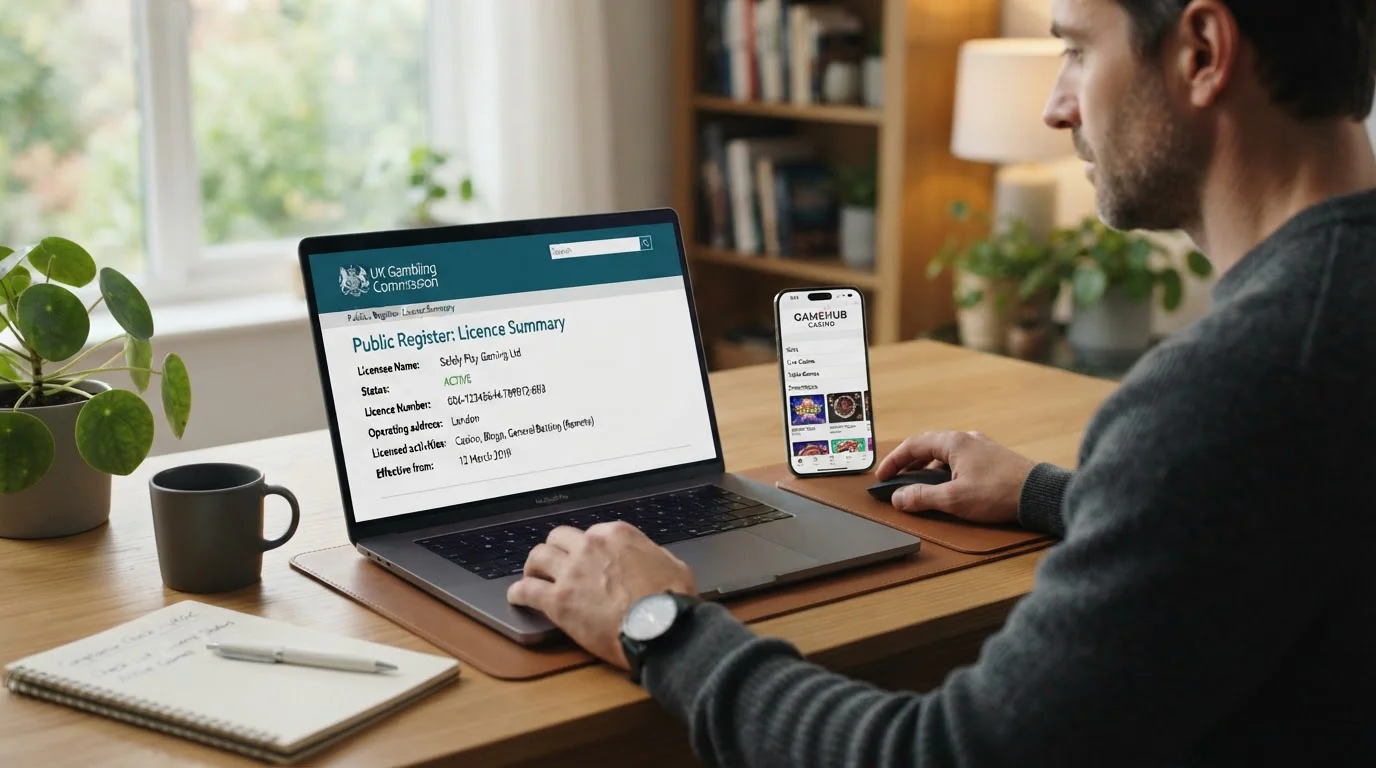
Yes. Every operator in this guide holds a current UKGC remote gambling licence, which you can confirm on the Gambling Commission public register. Accepting Boku does not change that: UKGC rules require age and identity checks before you gamble, disclosure of how your funds are protected, and responsible gambling tools, whatever payment method you use.
A casino accepting Boku deposits follows the same player-protection requirements as one accepting debit cards. The payment method changes convenience and limits, not safety.
IvyCasino — Zero Fees and Betable Limited Backing
IvyCasino operates under Betable Limited, which holds a UKGC remote gambling licence (verify on the public register at gamblingcommission.gov.uk). Betable is the only UK licensee in 2026 that charges nothing to deposit via Boku. A £10 mobile top-up credits exactly £10 to your IvyCasino balance. No 15p processing fee, no 30p convenience charge. Most competitors pass through Boku’s merchant fee to the player; Betable absorbs it.
The welcome offer is a 100% deposit match up to £50 on a first deposit of £20 or more. The bonus must be claimed within seven days of opening the account. Before January 2026 the offer carried 30× wagering on the first deposit amount, applied to slots only; since 19 January 2026 UKGC rules cap bonus wagering at 10×, so check the current terms before you opt in. The offer is neither the largest nor the smallest in the UK market, but it is straightforward and avoids the staggered multi-deposit structures that trip up casual players.
IvyCasino does not disclose its total game count publicly. The lobby pulls from established providers, though specific studio partnerships are not itemised on the site. Mobile deposits via Boku cap at £30 per transaction, the network standard. For withdrawals, you will need a debit card or e-wallet—winnings cannot return to your phone bill. Processing times for e-wallet cashouts are not published, so expect the UK industry average of 24 to 48 hours unless stated otherwise after account verification.
The platform shares operator pedigree with Oreels and Bet442, all three running under or alongside Betable Limited’s licence. That operational link explains the uniform zero-fee Boku policy. For a player prioritising cost on small deposits, IvyCasino removes one friction point. For a player prioritising game variety or withdrawal speed, the specifics remain opaque compared to competitors that publish granular data.
Oreels — Around 2,000 Games with Big Bass Focus
Oreels runs on the Betable Limited platform under its UKGC licence, and the outcome matches IvyCasino: zero deposit fees on Boku mobile payments. A £10 phone bill deposit credits £10 to your Oreels account. The platform launched in 2017, making it the longest-running operator in this shortlist, a year ahead of Duelz.
The game library runs to around 2,000 titles, sourced from NetEnt, Playson, Pragmatic Play and other mid-tier studios. Oreels markets itself heavily around the Big Bass slot franchise. The welcome offer reflects that focus: 20 free spins on Big Bass Splash at £0.10 per spin, unlocked by a £20 minimum deposit and a £20 wager on Big Bass Splash specifically. Winnings from the free spins carry zero wagering requirements, a rare perk. An alternative welcome structure offers a 100% deposit match up to £25 for players who prefer bonus cash over free spins.
Fast payouts are a stated priority. The site does not publish exact e-wallet processing times, but marketing copy emphasises speed. Mobile deposits cap at the standard £30 per transaction via Boku. The platform works across desktop and mobile browsers without a dedicated app. For a player who enjoys the Big Bass series and wants a zero-fee phone billing option, Oreels delivers on both counts.
The Betable connection means Oreels, IvyCasino and Bet442 are operationally related, though each operates a distinct front-end with different game rosters and bonus structures. That relationship is not hidden but is not prominently disclosed on the landing pages either. A player comparing the three will notice overlapping features—zero-fee Boku, similar bonus wagering structures—and can infer the shared back-end.
Bet442 — Newest Multi-Vertical Platform with Sportsbook
Bet442 launched in 2024 and operates under Betable Limited’s UKGC licence, alongside IvyCasino and Oreels. That shared licence explains why Bet442 appears on the zero-fee Boku list; you can confirm the current licence holder on the UKGC public register before depositing. A £10 mobile deposit credits £10 without deduction.
The platform combines sportsbook and casino under a single account. The casino side lists around 2,300 games, the highest count among the three Betable-linked operators. Slots dominate, but table games and live dealer options are present. The sportsbook offers standard UK markets—football, horse racing, tennis—with a Bet Builder feature for building your own accumulators. Live streaming is available on selected events.
The welcome structure is dual-track: new players choose between a sportsbook offer (Bet £20, get £20 in free bets) or a casino offer (20 no-wagering free spins on Big Bass Splash). The casino offer mirrors Oreels’ Big Bass focus, suggesting shared promotional strategy across the Betable network. The sportsbook offer requires qualifying bets at minimum odds of evens (2.00), with free-bet tokens split into three tranches subject to varying minimum odds.
Bet442’s black-and-green interface is mobile-optimised. No standalone app exists; the responsive site works across devices. For a player who wants a combined sportsbook and casino account with zero-fee mobile deposits, Bet442 is the newest option in the UK market. For a player prioritising operational transparency or long track record, the 2024 launch date means a shorter history to judge it on.
Duelz — Fast Withdrawals and Weekly Cashback
Duelz Casino operates under SuprPlay Limited, which is UKGC-licensed (verify on the public register at gamblingcommission.gov.uk). The platform launched in 2018. Its strengths for pay-by-mobile players lie in withdrawal speed, bonus fairness and game selection rather than in mobile payment specifics, so it suits players who care as much about getting winnings out as about putting deposits in.
The game library runs to around 2,000 titles. Providers include NetEnt, Pragmatic Play, Evolution (live casino), and others. The welcome bonus delivers 140 free spins on Book of Dead, staggered as 20 spins per day over seven consecutive days. The minimum deposit to unlock the offer is £25. Spin value is £0.10 each. Winnings from each day’s batch are credited as bonus funds subject to 10× wagering, with a £100 daily cap on winnings. The seven-day rollout structure prevents players from burning all spins in one session, which some appreciate for pacing and others find restrictive.
E-wallet withdrawals process in one to three hours, significantly faster than the 24- to 48-hour standard most UK casinos enforce. Processing times can change, so check the cashier for the current figure. Players using Skrill, Neteller or similar e-wallets can expect same-day cashouts once identity verification is complete. Bank transfers take longer, typically three to five business days.
Duelz offers 10% weekly cashback with zero wagering requirements. Cashback applies to net losses over a rolling seven-day period, credited as real cash with no turnover obligation. That structure is rare in the UK market, where most cashback promotions carry wagering multipliers. The fantasy-themed branding is polarising—some players enjoy the RPG-style levelling system, others find it juvenile—but the mechanical substance (fast payouts, no-wagering cashback, staggered free spins) is competitive.
Mobile deposits via Boku or equivalent are accepted. Duelz does not publish granular fee structures, so assume the industry-standard 15-30p per transaction unless stated otherwise at the cashier. Transaction limits cap at £30. For a player prioritising withdrawal speed and transparent cashback over zero deposit fees, Duelz outperforms the Betable trio. For a player making frequent small mobile top-ups where every 30p matters, IvyCasino or Oreels edge ahead.
Casino Kings — Largest Game Library with Multi-Vertical Offering
Casino Kings launched in 2023 and is UKGC-licensed alongside Malta Gaming Authority licensing. The platform combines several thousand slots, live casino, sportsbook and bingo under a single account. That multi-vertical breadth is matched only by Bet442 in this shortlist, though Casino Kings edges ahead on raw game count. An iOS app is available via the GB App Store, one of the few in the mobile payment casino category to offer a native app rather than relying on responsive web design.
The welcome bonus changes between promotional periods; offers have included 100 free spins after a £20 qualifying deposit, or alternative structures such as a 150% deposit match up to £150 plus 75 free spins on Book of Dead, Bubblegum Burst or Big Bass Bonanza. Wagering requirements and eligibility rules are not uniform across promotional periods, so verify the active offer at the cashier before depositing. The platform does not emphasise a single flagship promotion the way Oreels and Bet442 lean on Big Bass.
Casino Kings charges a 1% withdrawal fee, capped at £3 per transaction. That fee structure is an outlier in the UK market, where most UKGC-licensed casinos absorb withdrawal processing costs as part of player acquisition strategy. The fee applies regardless of withdrawal method—e-wallet, bank transfer, or debit card. For a player making frequent cashouts, the 1% charge compounds. For a player making occasional large withdrawals, the £3 cap limits the sting, but it remains a negative differentiator against Duelz, IvyCasino, Oreels and Bet442, all of which advertise free withdrawals.
Mobile deposits via Boku or equivalent providers are accepted. Fee structure at deposit is not disclosed, so assume standard 15-30p charges unless the cashier states otherwise. Transaction caps sit at the £30 network ceiling. The platform offers 24/7 live chat to logged-in players. Withdrawal processing times are not published in detail; allow up to 24 hours for e-wallets after verification, in line with UK market norms, and check the cashier for the current figure.
Casino Kings suits a player who wants a large game roster, multi-vertical account access (casino, sports, bingo) and an iOS app, and who makes infrequent withdrawals where the 1% fee remains tolerable. For a player focused narrowly on mobile top-up convenience with zero fees, the platform does not compete with the Betable trio. For a player prioritising fast cashouts, Duelz holds the edge.
Deposit Limits, Fees and Network Compatibility
Mobile phone billing for UK casinos operates within tight constraints imposed at three levels: the payment provider (Boku, Payforit, Fonix), the mobile network operator (EE, Vodafone, Three, O2), and the casino itself. Understanding where each limit applies prevents failed transactions and clarifies why mobile top-up deposits suit small recreational stakes more than serious bankroll management.
Transaction Limits: £5-£30 Per Deposit and Monthly Caps
The £5 to £10 minimum deposit is standard across UK casinos accepting mobile billing. A few operators set the floor at £5, most at £10. No UKGC-licensed casino in 2026 accepts mobile deposits below £5 because processing fees make smaller transactions uneconomical for payment providers. The £30 maximum per transaction is a hard ceiling enforced by Boku, Payforit and the mobile networks. That cap is not negotiable and does not vary by account status, VIP tier, or casino relationship.
If you attempt a £40 deposit via mobile billing, the transaction fails before reaching the casino. The payment provider rejects it at the network level. Some casinos display misleading language in their cashier interfaces—phrases like “up to £50 via mobile payment”—but those figures refer to aggregated daily deposits (two £25 transactions spaced apart) or to card-on-file systems that use mobile confirmation but charge a saved card, not true phone billing. Treat £30 as the real ceiling.
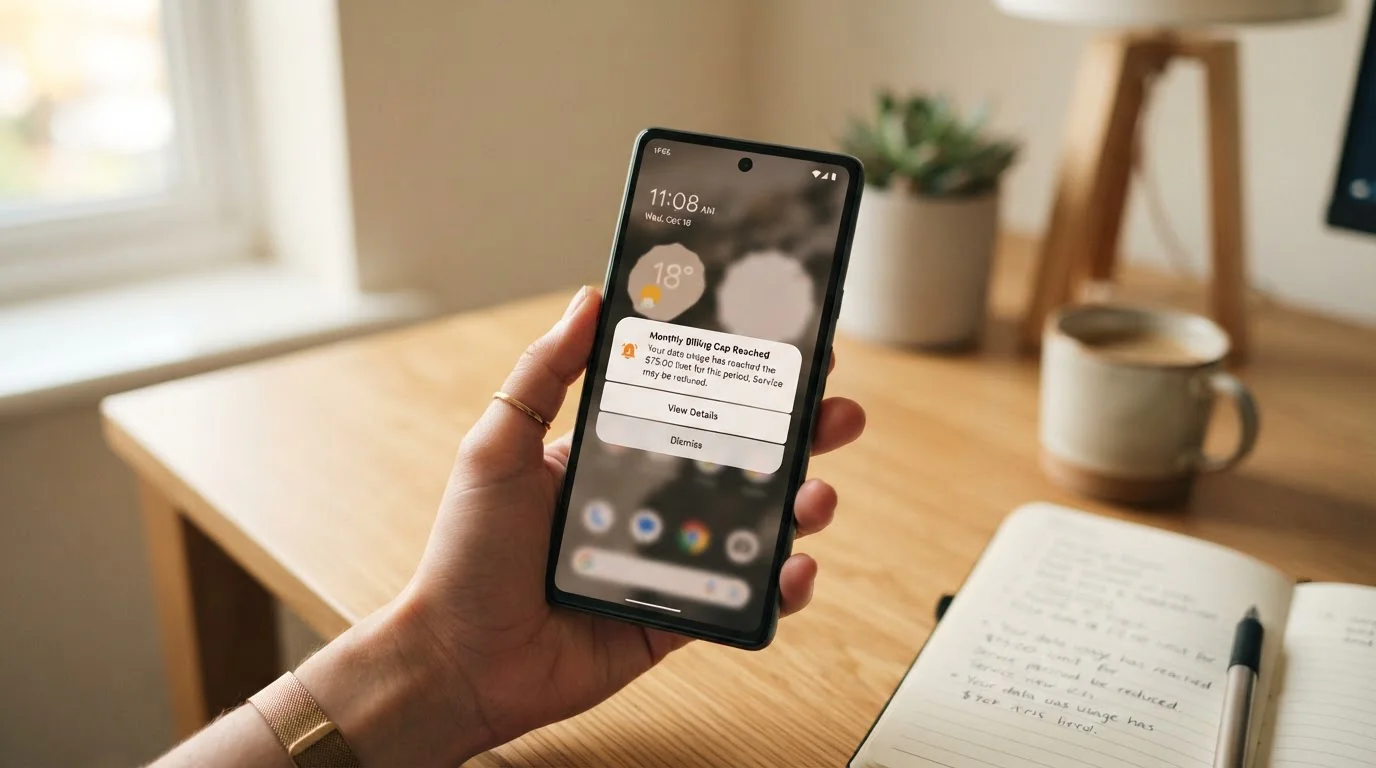
Monthly caps operate separately at the network level. EE, Vodafone, Three and O2 each enforce a total premium billing limit per account, typically ranging from £250 to £400 depending on credit history, account tenure, and whether you are on postpay or PAYG. Casino deposits count toward that cap alongside app purchases, charity donations, subscription services and any other premium billing charge. The cap resets on a calendar month basis for PAYG users and on the billing cycle date for postpay contract holders.
Hit your monthly cap midway through a billing cycle, and further mobile deposits fail until the reset. The failure is silent from the casino’s perspective: the payment provider simply declines the transaction. No notification explains that you have exhausted your premium billing allowance. You discover it when the deposit does not land. If you rely on mobile top-up as your sole deposit method, a monthly cap collision locks you out of casino access until the next cycle.
Daily caps are less common but do exist at some networks, typically in the £40 to £80 range. Those caps apply to total premium billing across all merchants, not just casinos. A player who buys £50 of app subscriptions in the morning may find their £30 casino deposit attempt fails that evening, even though £30 sits well below the daily ceiling, because the aggregate breaches the limit.
What is the maximum amount I can deposit via mobile phone billing at UK casinos?
£30 per transaction, and £250 to £400 per month depending on your network and account type. The per-transaction ceiling is fixed by Boku, Payforit and the networks. The monthly cap is shared across all premium billing—casino deposits, apps, subscriptions. No casino can raise it; for larger deposits, use a debit card or e-wallet.
Deposit Fees: Who Charges What
Betable Limited, operating IvyCasino, Oreels and Bet442 under their UKGC licence, is the only UK licensee charging zero fees on Boku mobile deposits in 2026. A £10 phone bill deposit credits exactly £10 to your casino balance. That fee structure is a deliberate competitive positioning: Betable absorbs the 15-30p per-transaction merchant fee that Boku charges all gambling operators.
Every other UK casino accepting Boku, Payforit or Fonix either absorbs the fee quietly (rare) or passes it through to the player (standard). The pass-through fee typically lands at 15p for deposits under £20 and 30p for deposits at or near the £30 cap. Some casinos display the fee at the cashier before you confirm the transaction; others bury it in terms and conditions or deduct it silently, so a £20 deposit credits £19.70.
Duelz and Casino Kings do not publish granular fee structures on their public-facing sites. Assume standard 15-30p pass-through unless the cashier explicitly states otherwise. That assumption holds for most UK operators outside the Betable network. The fee applies per transaction, so a player making ten £10 deposits in a month pays £1.50 to £3.00 in aggregate fees where IvyCasino, Oreels or Bet442 would charge nothing.
For a player depositing £10 twice a week—a common recreational pattern—the annual fee differential between a zero-fee operator (Betable trio) and a standard-fee operator is £15.60 to £31.20 (104 deposits at 15-30p each). That delta is meaningful for low-stakes players. For a player depositing £30 once a month, the annual cost is £1.80 to £3.60 (12 deposits at 15-30p), negligible but non-zero. Fee transparency varies: some casinos display the exact charge at confirmation, others state “transaction fees may apply” without quantifying, a handful disclose nothing until the deposit lands short of the intended amount.
Are there fees for depositing at casinos using mobile phone billing?
It depends on the operator. IvyCasino, Oreels and Bet442 (all under Betable Limited) charge zero—a £10 deposit credits exactly £10. Most other UK casinos pass through Boku or Payforit fees of 15-30p per transaction, so check the cashier confirmation screen first. Withdrawal fees are separate: Casino Kings charges 1% (capped at £3).
Which UK Mobile Networks Support Casino Deposits
All four major UK networks support casino deposits via Boku, Payforit and Fonix: EE, Vodafone, Three, and O2 (operated by Virgin Media O2). Mobile virtual network operators (MVNOs) that ride these networks—Sky Mobile, Tesco Mobile, giffgaff, Asda Mobile, Lebara—also support mobile billing for UKGC-licensed gambling operators, since they inherit the parent network’s billing infrastructure.
Network compatibility is near-universal in 2026. If you hold a UK SIM card from any of the big four networks or a mainstream MVNO, mobile casino deposits will work. International SIM cards do not. Boku and Payforit require a UK-registered mobile number with premium billing enabled. Roaming users can deposit only if their home network has a billing agreement with UK payment providers, which is rare and unreliable.
Premium billing must be enabled at the network level. Most postpay contracts and PAYG accounts ship with premium billing active by default, but it can be disabled in your account settings or blocked by parental controls. If a mobile deposit fails despite sufficient credit and remaining monthly cap headroom, check your network account settings for a premium billing toggle. EE labels it “charge to bill,” Vodafone calls it “premium services,” Three and O2 use similar phrasing. Flip the setting on, retry the deposit.
Some corporate or business mobile accounts have premium billing disabled by IT policy to prevent unauthorised charges. Employees using a company phone cannot deposit at mobile casinos even if the device is technically on a supported network. The restriction sits at the network account level, not the device or SIM.
Network-specific monthly caps are not published uniformly, but the following rough brackets are typical:
- EE: £250 to £400 per month, higher for long-tenured accounts
- Vodafone: £250 to £350 per month, skewed lower for PAYG
- Three: £250 to £400 per month, consistent across postpay and PAYG
- O2: £250 to £400 per month, with PAYG accounts capped lower (£200 to £250 common)
These figures are approximations. Your actual cap depends on credit score, account history, and whether you have previously breached a cap. Networks do not disclose caps proactively; you discover yours by hitting it or by calling customer service. No network allows you to raise your premium billing cap for gambling deposits specifically. The cap applies to all premium services indiscriminately.
Which UK mobile networks support casino deposits via Boku and Payforit?
EE, Vodafone, Three and O2 all support Boku and Payforit at UKGC-licensed casinos. MVNOs on these networks—Sky Mobile, Tesco Mobile, giffgaff, Asda Mobile—work too, using the host’s billing. Premium billing must be enabled, and monthly caps of £250 to £400 are shared across all premium charges. International SIM cards are not supported.
Do I need a UK SIM card to use pay-by-mobile casino deposits?
Yes. Boku, Payforit and Fonix require a UK-registered mobile number with premium billing enabled. International SIM cards cannot charge deposits to UK casino accounts through these providers. Roaming users generally cannot deposit by phone, since a billing agreement with UK intermediaries is uncommon. Visitors should use a debit card, e-wallet or bank transfer instead.
The Withdrawal Problem: Why You Cannot Cash Out to Your Phone
Mobile phone billing is a one-way payment rail. Deposits flow from your phone account to the casino. No technical or regulatory mechanism exists to reverse that flow. When you win and request a withdrawal, the casino cannot push funds back to your mobile credit or subtract a line item from your next phone bill. Winnings must exit via a different method: debit card, bank transfer, or e-wallet.
The technical barrier is straightforward. Boku, Payforit and Fonix are merchant billing systems designed to charge customers for digital goods and services, not to distribute payouts. Premium billing infrastructure on mobile networks moves money in one direction: from the account holder to the merchant. The reverse transaction—merchant to account holder—does not exist in the system architecture. Building that capability would require regulatory approval, anti-money-laundering controls, and technical integration work that no payment provider has undertaken, because the use case (withdrawing winnings to phone credit) is narrow and operationally awkward.
The regulatory barrier compounds the technical one. UKGC rules require gambling operators to verify a player’s age and identity before they can gamble, and anti-money-laundering rules require withdrawals to go to a payment method traceable to that verified player. Identity verification happens via documents (passport, driving licence, utility bill) or via payment method validation. A debit card withdrawal returns funds to the card used for deposit, creating an audit trail. A bank transfer withdrawal names a verified account holder. Mobile phone credit carries no such identity linkage. Prepaid accounts are anonymous by design. Contract accounts link to a name, but that name is not verified to the same standard as a bank account.
If casinos could withdraw to phone credit, the method would become a money-laundering vector: deposit stolen card funds at the casino, gamble minimally, withdraw to prepaid mobile credit, sell the credit on grey markets, exit with semi-clean cash. No regulator permits that risk. The UKGC’s Licence Conditions and Codes of Practice implicitly close the door by requiring payment method verification before cashouts. Mobile phone billing does not meet that standard for outbound funds.
The practical consequence: a player using only mobile top-up for deposits still needs a second payment method on file for withdrawals. That second method becomes the primary one over time, because cashouts happen repeatedly and deposits can shift to the same verified card or e-wallet to streamline the cycle. Mobile billing’s convenience advantage fades once a player crosses the threshold from deposit-only to active play with regular withdrawals.
Can I withdraw winnings back to my phone bill at a mobile top-up casino?
No. Mobile phone billing is one-way: deposits work, withdrawals do not. Boku, Payforit and Fonix cannot process payouts, and UK rules require withdrawals to go to a verified method in your own name. Winnings must leave via debit card, bank transfer or e-wallet, so set up a second method before you request a cashout.
When Mobile Top-Up Makes Sense (and When It Doesn’t)
Mobile phone billing suits a narrow player profile. It works best for casual recreational users who make small, infrequent deposits, already have another payment method lined up for withdrawals, and prefer not to share card details with a casino. It fails quickly for players who need deposit amounts above £30, who gamble frequently enough that monthly caps become a constraint, or who prioritise withdrawal speed and do not want to set up a second payment method.
Ideal Use Cases: Casual Players and Budget Control
A player depositing £10 or £20 once or twice a week to fund an evening of slots benefits from mobile top-up’s frictionless flow. No card details stored at the casino. No bank login required. The deposit appears on your phone bill as a premium charge, so make a habit of checking each bill: adding up those charges is the simplest way to see what gambling is really costing you each month.
The £30 transaction cap adds friction to every top-up. Each deposit tops out at £30, so adding more means starting a fresh transaction and confirming another SMS, and that repeated step creates a moment to step back during a losing streak. The daily and monthly network caps then put a firmer ceiling on the total. Those network limits are a backstop rather than a budget, though: a deposit limit set at the casino is more precise, takes effect immediately when you lower it, and any increase only applies after a cooling-off period.
Players who avoid linking debit cards to gambling sites—whether for security concerns or personal budgeting reasons—find mobile billing a viable alternative for initial deposits, because the casino never touches your card number. One caution: phone billing sits outside any gambling block you have set with your bank. If you are using a bank block to control your gambling, ask your network to bar premium-rate billing as well, and consider GamStop self-exclusion. For a player exploring a new operator and unwilling to commit full banking details on first contact, mobile top-up lets you test the platform with minimal exposure.
Monthly caps in the £250 to £400 bracket align with responsible gambling guidelines for recreational play. A player depositing £50 per week via five £10 mobile top-ups stays well within most network ceilings and maintains a sustainable stake relative to typical entertainment budgets. The friction of multiple small transactions rather than one large deposit reinforces deliberate spending behaviour.
Not Suitable For: High-Rollers and Frequent Withdrawals
A player depositing £100 or more per session cannot use mobile billing effectively. The £30 transaction cap means you need four separate deposits spaced over time—or over multiple phone accounts, which introduces operational absurdity. By the time you have structured a workaround, using a debit card or e-wallet is simpler, faster, and avoids per-transaction fees.
Frequent players who deposit daily hit monthly caps within two weeks. A player depositing £30 per day exhausts a £400 monthly cap in 13 days, locking them out of mobile top-up for the remainder of the billing cycle. That constraint forces a backup payment method anyway, rendering mobile billing an intermittent convenience rather than a primary channel.
Players who withdraw regularly—cashing out winning sessions rather than letting balances accumulate—need a verified second payment method on file from the start. Mobile billing offers no withdrawal path, so every cashout requires a debit card, bank transfer or e-wallet. For these players, mobile top-up adds a step rather than removing one: deposit by phone, withdraw by card. Simpler to deposit and withdraw via the same card throughout.
The fee structure at most non-Betable casinos (15-30p per transaction) compounds across frequent deposits. A player making 20 deposits per month pays £3 to £6 in fees where a debit card costs nothing. That delta is small in absolute terms but meaningful relative to a £200 monthly gambling budget—1.5% to 3% of total stake vanishes to transaction costs. Zero-fee operators (IvyCasino, Oreels, Bet442) eliminate that leakage, but even there, the £30 cap constrains higher-stakes play.
What happens if I reach my monthly mobile billing limit for casino deposits?
Further mobile deposits fail until your monthly cap resets. That cap covers all premium billing—apps, subscriptions and casino deposits—not just gambling. Postpay users reset on their billing date, PAYG users on the calendar month. No warning appears; the transaction simply declines. Until then, deposit with a debit card, e-wallet or bank transfer.
Mobile Slots and Game Selection at Pay-by-Phone Casinos
Game selection at mobile top-up casinos mirrors the broader UK online casino market because payment method acceptance does not dictate studio partnerships. IvyCasino, Oreels, Bet442, Duelz and Casino Kings all source slots, table games and live dealer content from established providers: NetEnt, Pragmatic Play, Evolution, Playson, BGaming, others. The games work identically whether you deposited by Boku, debit card or e-wallet.
Slots dominate. The five operators profiled offer between around 2,000 and several thousand titles, weighted heavily toward video slots with bonus rounds, free spins mechanics and progressive jackpots. The Big Bass franchise (Big Bass Splash, Big Bass Bonanza) appears prominently at Oreels and Bet442 because those operators use Big Bass titles in welcome offers, not because mobile payment users prefer them. The correlation is promotional, not technical.
Mobile browsers handle modern HTML5 slots without issue. No download or app installation required. The responsive casino sites adapt to iPhone, Android and tablet screen sizes. Touch controls replace mouse clicks. Portrait orientation works for most slots; landscape is preferable for table games and live dealer interfaces. Connection stability matters more than device type: a 4G or Wi-Fi connection prevents mid-spin dropouts, while a weak 3G signal causes stuttering and timeout errors regardless of how you funded the account.
Live dealer games—roulette, blackjack, baccarat—are available at all five operators. Evolution and Pragmatic Play Live power most UK live casino lobbies. The streaming quality depends on connection bandwidth, not payment method. A player who deposited £10 via Boku has identical access to live tables as a player who deposited £500 via bank transfer. The same responsible gambling limits, the same bet ranges, the same dealer interactions.
Progressive jackpots are accessible after mobile top-up deposits. Mega Moolah, Divine Fortune, and other network-wide progressives accept stakes from phone-billed accounts. Your deposit method does not restrict game eligibility. The only constraint is the £30 transaction cap: building a bankroll large enough to chase high-stakes jackpot slots via mobile billing alone takes multiple deposits over time.
Can I deposit at mobile casinos using an iPhone or Android phone?
Yes. Mobile casino deposits via Boku, Payforit and Fonix work on iPhone, Android and any device with a web browser and UK mobile number. No app is needed—responsive casino sites handle deposits in mobile Safari or Chrome. What matters is the UK SIM and premium billing on your account, not the handset.
UKGC Licensing and Player Safety
Every casino accepting mobile top-up deposits in the UK must hold a UKGC remote gambling licence to operate legally. The five operators profiled—IvyCasino, Oreels, Bet442, Duelz, Casino Kings—are verified licensees on the Gambling Commission public register. Each operator’s licence can be checked at gamblingcommission.gov.uk/public-register.
The UKGC does not regulate payment methods directly. A casino’s decision to integrate Boku, Payforit or Fonix is a commercial choice, not a licensing requirement. The Commission’s concern is player protection: age and identity verification before you can gamble, clear disclosure of how well player funds are protected, access to responsible gambling tools (deposit limits, self-exclusion, reality checks), and transparent bonus terms. Those obligations apply uniformly whether a player deposits by mobile billing, debit card or e-wallet.
Mobile payment providers (Boku, Payforit, Fonix) are not gambling operators and do not hold UKGC licences themselves. They are payment intermediaries regulated under financial services frameworks. Boku operates under e-money and payment service regulations. Payforit is a service layer owned by UK mobile networks, which are telecommunications entities. The regulatory separation is intentional: the casino holds the gambling licence, the payment provider holds the financial service authorisation, and the two entities connect via commercial integration agreements.
A significant regulatory change took effect on 30 September 2026: standardised deposit limit counting. Prior to that date, some UK casinos counted only net deposits (deposits minus withdrawals) toward a player’s self-imposed deposit limit, allowing withdrawal proceeds to create additional deposit headroom. The new UKGC technical standards require all licensed operators to count gross deposits only—withdrawals no longer reduce your deposit limit. That change tightens spending controls but does not affect mobile billing specifically, since mobile billing operates under separate network-level monthly caps that already counted gross deposits without withdrawal offsets.
SSL encryption (128-bit minimum, typically 256-bit) secures data transmission between your device and the casino server. That applies to mobile deposits identically to card deposits. Boku and Payforit do not transmit your mobile account password or PIN to the casino; they use tokenised transaction identifiers. If a casino is breached, your mobile number might leak, but your phone account credentials do not exist in the casino database.
UKGC operators must verify your age and identity before you can deposit or gamble, typically via automated checks against credit reference agencies or document upload (passport, driving licence, utility bill). That requirement is independent of deposit method. A player who deposits exclusively via mobile phone billing completes the same checks at sign-up. Further checks, such as confirming ownership of your withdrawal method, may follow when you first cash out.
How to Choose the Right Mobile Top-Up Casino
Choosing a mobile top-up casino hinges on four parameters: deposit fees, withdrawal speed, game selection, and operational transparency. No single operator wins on all four, so prioritise the factors that align with your play pattern.
If you make frequent small deposits and zero fees matter, prioritise IvyCasino, Oreels or Bet442—all three charge nothing on Boku transactions. A player depositing £10 twice a week saves £15.60 to £31.20 annually over standard-fee operators. If you deposit infrequently, the fee differential shrinks to negligible, and other factors (game library, cashout speed) carry more weight.
If you withdraw often and value speed, prioritise Duelz. E-wallet cashouts process in one to three hours, significantly faster than the 24- to 48-hour norm. That speed advantage compounds over a year: you access winnings the same day rather than waiting 48 hours per cashout. The trade-off is standard 15-30p deposit fees, which Duelz does not waive.
If you want the largest game library and multi-vertical access (casino, sports, bingo), prioritise Casino Kings. Its game library, the largest in this shortlist, and iOS app availability are unmatched here. The downside is a 1% withdrawal fee (capped at £3), which most competitors waive. For a player withdrawing £100 twice a month, that fee costs £24 a year (1% of £100 across 24 withdrawals)—roughly the same as the deposit fees a twice-weekly depositor saves at a zero-fee operator.
If you want a combined sportsbook and casino with zero-fee deposits, Bet442 is the newest option. Launched in 2024, it has a shorter track record than its rivals but delivers the feature set. For a player willing to trade established history for current-year integration, Bet442 fits.
Verify the operator’s UKGC licence via the public register before opening an account. Cross-check the operator’s licence shown on the casino site against gamblingcommission.gov.uk/public-register. A licence in good standing shows no enforcement actions, no pending investigations, no suspended permissions. That verification takes two minutes and confirms the operator meets minimum UK player-protection standards.
Check cashier specifics before your first deposit. Some operators display fees at the confirmation screen; others bury fee disclosures in terms. Test a small deposit (£5 or £10) and verify the credited amount matches your intent minus any stated fee. If a £10 deposit credits £9.70 without prior fee disclosure, contact support before depositing further.
Set your own deposit limits tighter than the network ceiling. A £400 monthly network cap does not mean £400 is a sensible gambling budget. Use the casino’s responsible gambling tools to enforce a lower monthly or weekly limit aligned with your disposable income. The network cap is a backstop, not a target.
Prepare a second payment method for withdrawals before your first deposit. Mobile billing cannot handle cashouts, so you will need a verified debit card, bank account or e-wallet. Setting it up proactively avoids the frustration of hitting a £50 win on your first session, requesting a withdrawal, and discovering you cannot cash out for 24 to 48 hours while the casino verifies your withdrawal method.
Mobile top-up casino deposits in the UK work well within their constraints. They suit small, controlled recreational play. They fail at scale. Understanding where the £30 cap, monthly limits, one-way flow and fee structures intersect with your own play pattern determines whether the method serves you or wastes your time. For the narrow use case it fits—casual stakes, small top-ups, no card details shared—mobile billing delivers. For everyone else, a debit card or e-wallet remains more flexible, more transparent, and ultimately simpler.
Casino Deposit Methods UK 2026 — Compare Payment Options
Content created by the «casinopayoptions-uk.com» team