
Casinos That Accept Klarna UK 2026: Why It Doesn't Work & What Does
 Available in GB
Plenty of casino pages promise lists of “Klarna casinos”, complete with comparisons and top picks. Click through and you’ll find casino names, deposit buttons, welcome offers. What you won’t find—on most pages—is the part that matters: Klarna doesn’t process gambling transactions. Not at UK-licensed casinos. Not offshore. Not anywhere that calls itself a casino.
This hasn’t changed since March 2020, when Klarna shut the door on gambling payments globally. The decision wasn’t forced by regulators. Klarna chose to exit the vertical, and the policy stands in 2026. So when a page promises “best Klarna casinos,” what it’s actually describing are casinos that accept instant bank transfers via Trustly, open banking, or e-wallets—methods that deliver the same convenience Klarna would have, if it hadn’t walked away.
This guide cuts through the confusion. First, the hard truth: which Klarna products work for gambling (spoiler: none of the ones you’re thinking of), and why the company made that call. Then, the practical part: which UK-licensed casinos accept Trustly, Pay by Bank, PayPal, Apple Pay, and Skrill—the alternatives that actually move money from your account to a casino balance in seconds. You’ll get withdrawal timelines, fee structures, operator-specific processing windows, and a clear map of what works where. No affiliate misdirection. Just the mechanics of how to deposit instantly without Klarna in 2026.
The Reality: Klarna Doesn’t Work at UK Casinos in 2026

Start with the bottom line: as of 2026, no UK Gambling Commission-licensed casino accepts Klarna. Not Klarna Pay Later. Not Klarna Pay in 3. Not the version you use at Asos or Amazon. The operators haven’t blocked it. Klarna itself refuses to process the transactions.
Why Klarna Stopped Processing Gambling Transactions
In March 2020, Klarna issued a terse statement: the company had discontinued offering payment solutions for gambling transactions, citing a need to ensure services were “used responsibly.” The timing wasn’t coincidental. Weeks later, the UK Gambling Commission’s credit card ban took effect under LCCP 5.1.1—outlawing all credit card deposits at licensed operators from 14 April 2020.
Klarna didn’t wait to be told. The Swedish fintech saw the regulatory writing on the wall across Europe. Parliamentary inquiries in Westminster, media pressure around gambling debt, tightening rules on credit-for-gambling—Klarna’s Pay Later and Pay in 3 products are functionally interest-free short-term loans. Offer them for casino deposits and you’re one headline away from being lumped in with the banned credit cards. The company exited the vertical entirely to avoid that exposure.
The decision was global, not UK-specific. But the UK regulatory environment—where scrutiny on gambling payments ran hottest—made it the obvious trigger point. By the time the UKGC credit card ban went live, Klarna had already closed gambling as a merchant category worldwide. That policy remains unchanged in 2026. Klarna’s acceptable-use terms explicitly prohibit gambling transactions. Attempting to fund a casino account via Klarna Pay Later or Pay in 3 will fail at authorisation, regardless of where the operator is licensed.
The practical upshot: if a site claims to accept “Klarna” at a UK casino in 2026, it’s either mislabelling an open-banking provider, referring to a non-UK jurisdiction where different rules apply, or the page is outdated. No licensed UK operator lists Klarna in its cashier. None.
Why did Klarna stop working at UK casinos?
Klarna stopped processing gambling payments in March 2020 as a corporate policy decision, not a regulatory ban. The company’s Pay Later and Pay in 3 products are short-term credit, and offering them for gambling would conflict with the UK’s April 2020 credit card ban and broader responsible-gambling scrutiny.
Klarna Instant Banking vs Pay Later: What’s the Difference?
Here’s where the confusion runs deepest. Klarna offers two distinct product lines: Pay Later, the “buy now, pay later” credit service, and Instant Banking, a direct bank transfer via open banking. Both are branded Klarna, but only Pay Later involves credit—and it’s Pay Later that people associate with the brand.
Pay Later lets you split a purchase into instalments or defer payment by 30 days. It’s credit, even if interest-free. This is the product banned for gambling—and the one people associate with the Klarna brand. Pay in 3, the most visible variant, splits a purchase into three equal payments. Convenient for a £150 coat. Forbidden for a £50 casino deposit.
Instant Banking, by contrast, is Klarna’s open-banking payment rail. It links directly to your bank account and processes a one-time transfer in real time. No credit involved. Functionally identical to Trustly or Pay by Bank—you authenticate via your banking app, the payment clears instantly, and the money moves bank-to-casino without passing through an intermediary wallet.
Technically, Klarna Instant Banking isn’t covered by the gambling prohibition because it’s not credit. It’s a direct debit from your own funds. But here’s the kicker: no major UK-licensed casino routes Klarna Instant Banking as a cashier option in 2026. Operators adopted Trustly, Ecospend, Yapily, TrueLayer, and Modulr instead. Whatever its status elsewhere, in the UK it’s absent from the payment mix. The brand walked away from gambling entirely, and even the non-credit product didn’t stick.
Pages that list “Klarna casinos” in the UK are actually describing casinos that accept open banking via other providers. The payment flow is the same—instant bank transfer, biometric auth in your own banking app, no card number shared. But the provider behind the scenes is Trustly, not Klarna. That naming confusion is why Klarna still gets mentioned in a casino context in 2026, even though the reality is a redirect to alternatives.
Is Klarna Instant Banking different from Klarna Pay Later for casinos?
Yes. Pay Later is credit, so it’s banned for gambling. Instant Banking is a direct bank transfer that isn’t caught by the ban, but it’s still absent from UK casinos because Klarna exited gambling entirely and operators adopted Trustly and Pay by Bank instead. Neither Klarna product works at a UK casino today.
Best Alternatives to Klarna for UK Casino Deposits
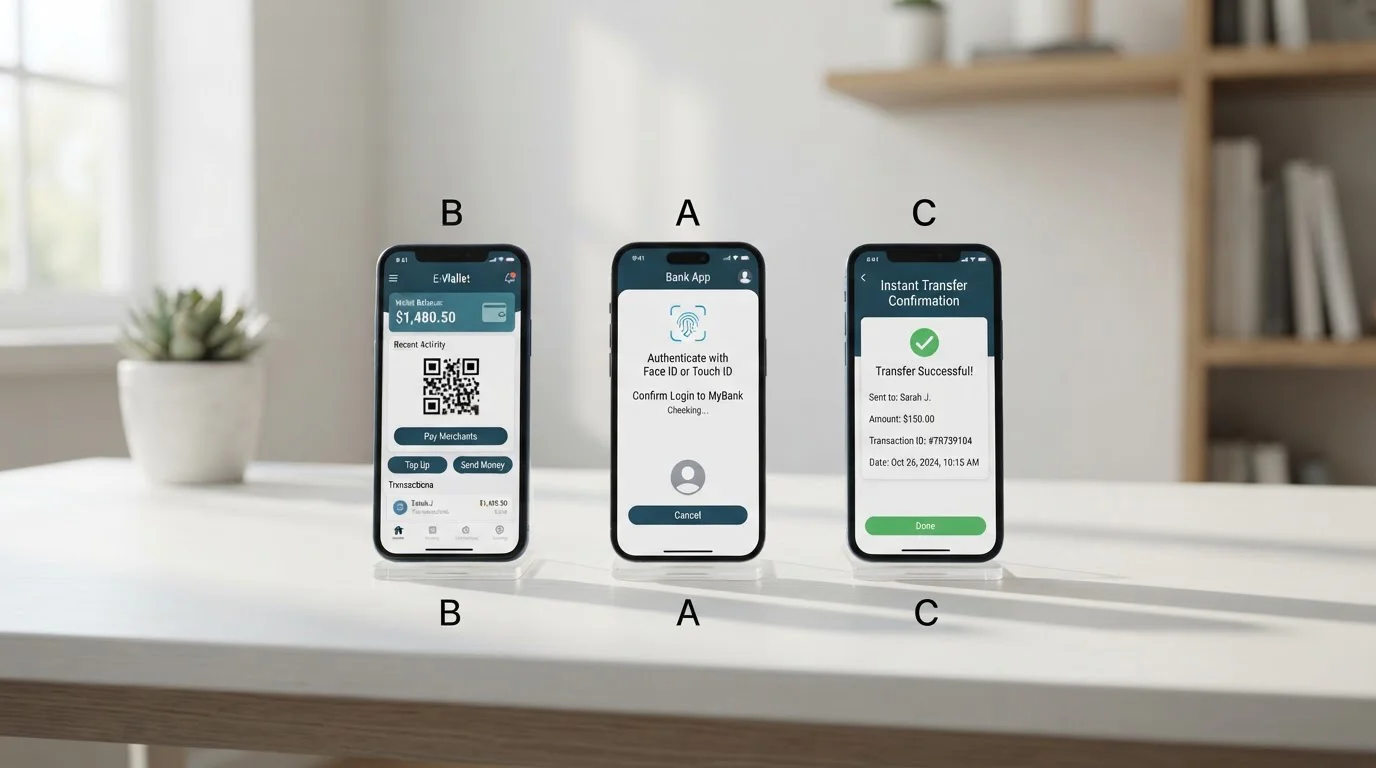
Klarna isn’t coming back. The gap it left has been filled by a mix of open-banking providers and e-wallets, all licensed under the same PSD2 and FCA frameworks that would have governed Klarna if it had stayed. The alternatives fall into two camps: open banking (Trustly, Pay by Bank) and e-wallets (PayPal, Apple Pay, Skrill). All deposit instantly. Withdrawal speed varies.
| Payment Method | Deposit Speed | Withdrawal Time | Min Deposit | Fees | Key Feature |
|---|---|---|---|---|---|
| Trustly | Instant | 2–8 hours | £10 | None | Same-day withdrawals, market leader |
| Pay by Bank | Instant | Same-day to 24 hours | £10 | None | UK-native open banking, lower operator fees |
| PayPal | Instant | Under 2–4 hours | £5–£10 | None | Fastest e-wallet, 28M UK accounts |
| Apple Pay | Instant | 1–3 days (via debit card) | £5–£10 | None | One-tap mobile, tokenised security |
| Skrill | Instant | 24–48 hours | £10 | €5.50 withdrawal fee (<€150) | Established, but many casinos exclude from bonuses |
Trustly: The Direct Klarna Replacement
Trustly Group AB is the Swedish open-banking provider that took the slot Klarna vacated. Founded in 2008 and FCA-authorised as a payment institution. The company processed €44 billion in payment volume across 2025, with UK gambling accounting for roughly 22% of that figure.
The mechanics are identical to what Klarna Instant Banking would have been. You select Trustly at a casino cashier, pick your bank from a list of UK clearing banks (Barclays, HSBC, Lloyds, NatWest, Santander, Nationwide, plus challengers like Monzo, Revolut, and Starling), authenticate via your own banking app, confirm the payment, and funds land instantly. No Trustly account. No card number. No intermediary wallet. The payment routes as a direct bank transfer, authorised in real time through open banking APIs.
Withdrawals run the same route in reverse. When you cash out, the casino processes the payout back to the same bank account you deposited from. Processing windows vary by operator—Casumo targets same-day (typically 4–8 hours), and mid-tier operators average 6–12 hours. That’s faster than debit card withdrawals (1–3 business days) and competitive with PayPal.
Trustly also powers Pay N Play, a registration shortcut used in markets such as Sweden and Finland, where the first Trustly deposit creates your casino account from your bank verification. It is not available at UKGC-licensed casinos: UK rules require the casino to verify your age and identity before you can deposit, so you register first and use Trustly as a standard payment method.
The fee structure is transparent: Trustly charges nothing to players. Operators pay a transaction fee (around 1–1.5% per deposit), but that’s their cost, not yours. Currency conversion is handled at your bank’s rates if you’re funding from a non-GBP account, but for UK players with GBP current accounts, the transfer is direct with no markup.
Trustly’s market position in UK casinos is strong: it is accepted at roughly 78% of UKGC-licensed operators, compared to PayPal’s 65% penetration. If you wanted Klarna for instant bank-to-casino deposits, Trustly is the functional substitute.
Pay by Bank (Open Banking): UK’s Native Instant Transfer
“Pay by Bank” isn’t a single provider—it’s a generic label UK casinos use for open-banking payments routed through Ecospend, Yapily, TrueLayer, or Modulr. Each is FCA-authorised under PSD2. Each connects your bank account to the casino via the same open-banking rails Trustly uses. The payment flow is indistinguishable to the end user: pick your bank, authenticate in your app, confirm, done.
The difference is on the operator side. Ecospend and Yapily charge casinos lower transaction fees than Trustly (0.5–1% versus 1–1.5%), making them attractive to mid-tier and budget-conscious operators. That cost saving doesn’t reach the player—your deposit is still instant and free—but it explains why smaller UKGC-licensed casinos list “Pay by Bank” instead of Trustly by name.
UK open banking surpassed one billion cumulative payments in April 2026, per Open Banking Limited. The 2025 calendar year alone saw 351 million open-banking payments, up 57% year-on-year. Casino deposits are a material slice of that volume, though exact breakdowns aren’t published. The infrastructure is mature, regulated, and backed by the same PSD2 framework that governs Trustly.
Withdrawal speeds via Pay by Bank are marginally slower than Trustly in practice. Where Trustly consistently hits same-day payouts at top-tier casinos, Pay by Bank withdrawals tend to land in the 24-hour window. Not slow—still faster than debit cards—but the extra half-day reflects less mature payout-initiation integration on the provider side. Ecospend and Yapily prioritise deposit flows; withdrawal rails lag slightly behind Trustly’s.
One quirk: because “Pay by Bank” is white-labelled, different casinos use different back-end providers. You won’t know whether you’re routing through Ecospend, Yapily, or TrueLayer until you hit the payment screen and see which bank-selection interface loads. Functionally it makes no difference—all connect to the same UK banks, all process instantly—but if you’re troubleshooting a failed payment, knowing the provider behind the label helps when contacting support.
Is Trustly the same as Pay by Bank?
No. Trustly is a specific Swedish provider. Pay by Bank is a generic UK label for open-banking payments via Ecospend, Yapily, TrueLayer or Modulr. Both use the same PSD2 open-banking technology, but different providers power them, and you won’t know which one a casino uses until the bank-selection screen loads.
PayPal: Trusted E-Wallet with Fast Payouts
PayPal Holdings Inc. (Nasdaq: PYPL) operates in the UK via PayPal (Europe) S.à r.l. et Cie, S.C.A., authorised by the FCA under PSD2 as an e-money institution. Twenty-eight million UK accounts as of 2025. Accepted at a large number of UKGC-licensed casinos, though its share has eased from a peak around 2022.
The model differs from open banking. You create a PayPal account, link a debit card or bank account as a funding source, and maintain a PayPal balance. At a casino, you log into PayPal, confirm the payment, and funds transfer instantly from your PayPal balance (or pull from your linked card if the balance is insufficient). The casino never sees your card number or bank details. PayPal intermediates.
Withdrawals land in your PayPal balance, not directly in your bank account. Processing time from casino approval to PayPal credit averages 2–24 hours across UKGC operators, with tier-one casinos like Betway clearing in under four hours. Once funds hit your PayPal balance, you can transfer to your bank via PayPal’s Instant Transfer feature (linked to your Visa or Mastercard debit, typically clears in minutes) or leave the balance in PayPal to spend elsewhere.
PayPal charges players nothing for gambling deposits or withdrawals. The casino pays PayPal a merchant fee per transaction, but that cost doesn’t pass through to you. Currency conversion applies if you’re funding from a non-GBP source, at PayPal’s published exchange rates (typically 3–4% above mid-market, standard for e-wallets).
The bonus-exclusion issue deserves a line. Many UK casinos—Casumo, LeoVegas, and others—exclude PayPal and Skrill deposits from triggering welcome offers. The reason is operational, not a PayPal policy. E-wallets let players move funds between casinos quickly, which historically enabled bonus arbitrage (deposit at Casino A via PayPal, withdraw to PayPal, deposit at Casino B, repeat). Operators responded by excluding e-wallet deposits from bonus terms. If you’re chasing a welcome package, check the small print before funding via PayPal.
Do UK casinos charge fees for PayPal deposits?
No. PayPal deposits and withdrawals at UK casinos are free to players; the casino pays PayPal a merchant fee, but you’re not charged. Currency conversion fees apply only if you fund from a non-GBP source, at PayPal’s exchange rate. Moving money from PayPal to your bank is usually free as a standard transfer.
Apple Pay: One-Tap Mobile Deposits
Apple Pay is Apple Inc.’s mobile-payment service, launched in the UK in July 2015. It’s not a separate payment institution—Apple Pay is a token service that routes payments through your existing Visa or Mastercard debit card, with the card issuer (your bank) handling authorisation. Apple doesn’t hold funds or require FCA authorisation for Apple Pay itself. The banks issuing the cards are FCA-regulated.
Sixteen million Apple Pay users in the UK as of 2025, per Juniper Research. Accepted at roughly 40% of UKGC mobile-optimised casinos—lower penetration than PayPal or Trustly because it’s device-locked (iPhone, iPad, Apple Watch, Mac with Touch ID only) and many operators haven’t integrated mobile-wallet SDKs beyond basic card processing.
The deposit flow is mobile-first. You add your debit card to Apple Wallet (one-time setup), visit a casino on your phone, tap Apple Pay at the cashier, authenticate via Face ID or Touch ID, and the payment processes as a tokenised card transaction. The casino receives a device-specific token, not your real card number. PCI DSS compliance baked in by design. Funds land instantly.
Withdrawal is where Apple Pay falters. Most UK casinos don’t support direct Apple Pay withdrawal. Instead, they route the payout back to the underlying debit card linked to your Apple Wallet, which processes as a standard card withdrawal (1–3 business days). A handful of operators—Grosvenor is one—support Apple Pay in both directions, but it’s rare. If withdrawal speed matters, PayPal or Trustly are better picks.
The minimum deposit for Apple Pay sits at £5–£10 across UKGC casinos, matching other instant methods. Maximum deposit varies by operator, typically £1,000–£5,000 per transaction, and by your bank’s own limits; the £100 contactless limit applies to in-store taps, not online casino payments. High rollers negotiate higher limits via VIP managers; casual players won’t hit the ceiling.
Can I use Apple Pay to withdraw from a UK casino?
Rarely. Most UK casinos route withdrawals back to the debit card linked to Apple Pay, processed as a standard card withdrawal in one to three business days. Direct Apple Pay withdrawal is uncommon; Grosvenor is one exception. For faster payouts, PayPal and Trustly return funds in hours rather than days.
Skrill: Established E-Wallet for Casino Players
Skrill Limited, founded 2001 as Moneybookers, rebranded 2011, owned by Paysafe Group. FCA-authorised as an e-money institution. Forty million Skrill accounts globally, per Paysafe’s 2024 annual report. Accepted at roughly 55% of UKGC casinos, down from a 70% peak in 2018.
The e-wallet model mirrors PayPal. You create a Skrill account, fund it via debit card or bank transfer, and use the Skrill balance for casino deposits. Instant funding. The casino processes withdrawals back to your Skrill balance within 24–48 hours (slower than PayPal’s sub-24-hour average), and you then withdraw from Skrill to your bank account. Here’s the catch: Skrill charges a €5.50 withdrawal fee for amounts under €150. Above €150, the fee is waived. PayPal charges nothing.
That fee structure makes Skrill less appealing for casual players. Deposit £50, win £80, withdraw—you’re paying €5.50 (roughly £4.70) to access your own money if you’re under the €150 threshold. High-volume players can offset this via Skrill’s VIP programme, which reduces fees and offers dedicated support, but the entry bar is steep (typically £10,000+ in monthly transaction volume).
The bonus-exclusion issue applies to Skrill as aggressively as it does to PayPal. Many UKGC operators exclude Skrill deposits from welcome offers, reload bonuses, and free-spin promotions. If you’re signing up at a new casino with a deposit match in mind, check the bonus terms. Skrill and PayPal are often listed together in the exclusions clause.
Skrill’s UK casino market share has eroded since 2018, when it was the dominant e-wallet. PayPal’s entry into UK gambling (mid-2010s, gradual adoption), combined with Trustly’s rise and the bonus-exclusion trend, pushed Skrill into a narrower niche. It remains functional, widely accepted, and fast for deposits. But for withdrawals and bonus eligibility, PayPal and Trustly have better economics.
What is the best alternative to Klarna for UK casino deposits?
Trustly if you want same-day withdrawals and the widest operator acceptance. PayPal if you want sub-24-hour payouts and e-wallet convenience. Pay by Bank if you prefer UK-native open banking. All three deposit instantly, charge no player fees, and are FCA-authorised, so the choice comes down to withdrawal speed and whether you want an account.
UK Casinos That Accept Klarna Alternatives
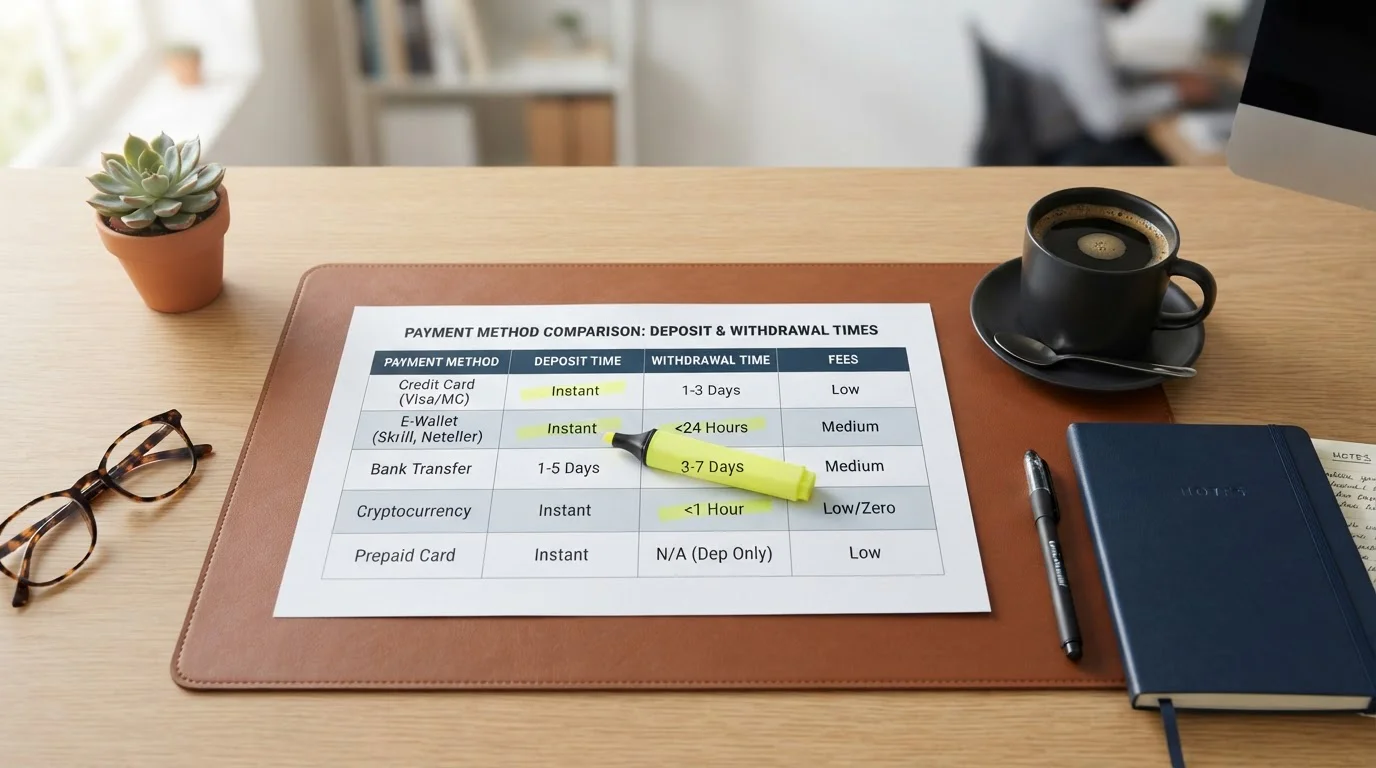
Operator choice narrows the field. Not every UK-licensed casino accepts every instant-banking method. PayPal penetration sits at 65%, Trustly at 78%, Apple Pay at 40%, Skrill at 55%. The matrix below cross-references which casino supports which alternative, with typical withdrawal processing windows.
| Casino | UKGC Licence | Payment Methods | Withdrawal Speed | Min Deposit | Standout Feature |
|---|---|---|---|---|---|
| Betway | UKGC-licensed | Visa, Mastercard, PayPal, Neteller, Skrill, bank transfer | PayPal under 4 hours | £10 | Fast PayPal payouts |
| Casumo | UKGC-licensed | Visa, Mastercard, Trustly, PayPal, Skrill, Apple Pay, Paysafecard | Trustly 4–8 hours, PayPal same-day | £10 | Gamification, consistent same-day Trustly withdrawals |
| Videoslots | UKGC-licensed | Visa, Mastercard, Trustly, bank transfer | Trustly 1–3 days | £10 | Large game library, weekly cashback, no PayPal |
| Grosvenor | UKGC-licensed | Visa, Mastercard, PayPal, Instant Bank Transfer, Paysafecard, Apple Pay | PayPal/Instant Bank Transfer 15 minutes | £5 | Fast Withdrawal feature, land-based heritage |
Betway: Fast PayPal Payouts Under 4 Hours
Betway Limited is UKGC-licensed (verify on the public register at gamblingcommission.gov.uk) and operates as part of Super Group (NYSE: SGHC), the dual-headquartered Malta and Guernsey entity that listed in New York via a SPAC merger. Super Group posted $1.67 billion in revenue for 2025. The operator launched in 2006, built its profile through Premier League sponsorships (West Ham United, multiple others), and pivoted heavily toward sportsbook over casino—80% of UK revenue comes from sports, 20% from casino, per investor presentations.
The casino library sits at a few hundred games from a range of providers, including Microgaming, NetEnt, Evolution, Pragmatic Play, and Big Time Gaming. Smaller than pure-play casino operators like Casumo or Videoslots, but the selection covers mainstream slots, live dealer, and table games. Betway’s live casino leans on Evolution’s generic tables rather than proprietary streams, which makes it functionally identical to competitors in that vertical.
Payment methods include Visa and Mastercard debit, PayPal, Neteller, Skrill, Paysafecard, and bank transfer. No Trustly listed as of 2026—Betway uses bank transfer as its primary instant-banking rail instead. Minimum deposit is £10 across all methods. Withdrawals via PayPal process in under four hours on average, among the faster PayPal payout windows in the UK market and ahead of Casumo’s same-day target. Debit card withdrawals take 1–2 business days. E-wallets (Skrill, Neteller) clear within 24 hours.
The welcome bonus is underwhelming by UK standards: 100% match up to £10. Most competitors offer £50–£200 matches. Betway’s focus is sportsbook promotions, where the real value lives. If you’re casino-primary, the deposit match won’t impress. If you’re sportsbook-primary and casino is a side interest, Betway’s tier-one brand recognition and fast payouts justify the account.
High rollers get negotiable limits and VIP manager access. Standard players face deposit caps of £5,000–£10,000 per transaction (method-dependent) and withdrawal limits of £20,000 per month, with exceptions granted on request. Betway holds eCOGRA certification for RNG and RTP auditing, a dual-layer verification beyond the standard UKGC oversight.
Casumo: Same-Day Trustly Withdrawals
Casumo Services Limited is UKGC-licensed (verify on the public register at gamblingcommission.gov.uk) and also holds MGA and Swedish Spelinspektionen licences for multi-market operation. Founded 2012 in Malta and privately owned. 1.2 million registered players globally, not segmented by market.
The casino library runs to several thousand games from a wide range of providers: NetEnt, Microgaming, Play’n GO, Pragmatic Play, Evolution, Yggdrasil, Push Gaming, and most of the mainstream studios. No sportsbook—Casumo is casino-pure, which narrows the focus but attracts slots-first players. The site’s defining feature is its gamification layer: an “adventure” loyalty system where players level up, unlock trophies, and complete personalised missions for rewards. It’s a UX differentiator in a market where most casinos are functionally interchangeable carousels of slots.
Payment methods include Visa and Mastercard debit, Trustly, PayPal, Skrill, Apple Pay, and Paysafecard. Minimum deposit is £10 across all methods. Trustly and PayPal withdrawals both process same-day—the typical withdrawal window for Trustly sits at 4–8 hours from approval, PayPal similar. Debit card withdrawals take 1–2 business days. The Trustly integration is mature and consistent; Casumo is one of the few UK operators where same-day Trustly payouts are reliable rather than aspirational.
The welcome bonus is 50% match up to £100 plus 50 free spins on Big Bass Bonanza. Older versions of this offer carried 30x wagering on deposit and bonus combined—a £20 deposit yielding £30 in playing funds required £900 in total wagers (£30 × 30). Since 19 January 2026, UKGC rules cap bonus wagering at 10x, so check the current terms before opting in. Free spins have a £100 winnings cap.
Casumo’s UKGC compliance record is clean—no fines or sanctions from 2020 through 2026. The MGA licence has been held continuously. Age and identity checks are completed before you can deposit, as UKGC rules require. Affordability checks apply at the thresholds set by UKGC rules and the operator’s own risk policy.
Videoslots: Largest Game Library with Instant Banking
Videoslots Limited is UKGC-licensed (verify on the public register at gamblingcommission.gov.uk) and also holds MGA, Swedish Spelinspektionen and AGCO Ontario licences. Founded 2011 in Malta, privately owned by founders. The operator markets itself on library size and delivers well over ten thousand games from a long list of providers, according to Videoslots’ own provider list—far more than Casumo’s several thousand or Betway’s few hundred.
The 12,000 figure includes mainstream slots (NetEnt, Pragmatic, Play’n GO), niche studios (Nolimit City, Hacksaw Gaming, Relax Gaming), live dealer (Evolution, Ezugi, Pragmatic Live), and table games. It’s breadth over curation. If you want every slot released in the past five years, Videoslots has it. If you want a vetted selection of the best 500, look elsewhere.
The site introduced a sportsbook in 2017, but it’s secondary to the casino. The defining feature is the Battle system: players compete in slot tournaments for prize pools, with weekly freerolls (no entry fee) and buy-in tournaments. Winners are determined by highest multiplier or total win within a time window. It’s a differentiator in a market where most casino-vs-casino competition is limited to leaderboard promos.
Weekly cashback is automatic. Players receive a percentage of net losses back as cash (no wagering requirement) every Monday, with the percentage determined by loyalty tier. New players start at 5%, VIPs reach 15%. The cashback is calculated on net loss (deposits minus withdrawals), so a losing week yields a rebate. A winning week yields nothing, which is how cashback should work but often doesn’t at operators who cap or complicate the maths.
Payment methods: Visa and Mastercard debit, Trustly, bank transfer, and a selection of e-wallets—but no PayPal. Videoslots was excluded from PayPal’s UK casino partnerships in 2023, reason undisclosed. The absence of PayPal limits appeal for players who prefer e-wallet withdrawals with sub-24-hour processing. Trustly is supported, but withdrawal speed is slower than Casumo—Videoslots Trustly payouts typically take 1–3 days, not same-day. Minimum deposit is £10.
The welcome bonus is 100% match up to £200 plus 11 welcome spins, split across first deposit and sportsbook free bets. The casino portion of the bonus carries 10x wagering on bonus funds only (not deposit plus bonus), the maximum UKGC rules have allowed since 19 January 2026. A £50 deposit yields £50 bonus, requiring £500 in bonus-fund wagers before withdrawal. The 11 welcome spins are credited across multiple days and games, not as a single batch.
UKGC licence granted 2014, MGA licence continuous since 2011. No regulatory sanctions 2020–2026. Age and identity checks are completed before you can deposit. Videoslots processed one million withdrawals in 2025, per a March 2026 company blog post. Affordability checks trigger at standard UKGC thresholds.
Grosvenor Casino: 15-Minute Fast Withdrawals
Grosvenor Casinos, the UKGC-licensed online vertical of Rank Group plc (LSE: RNK), the publicly traded UK entertainment conglomerate that also owns Mecca Bingo and Enracha (Spain). Rank Group revenue £697 million in 2025, per annual report. Grosvenor digital segment contributed £89 million (13% of group total, per segment reporting). The land-based Grosvenor brand operates 52 UK casino venues, launched 1970, household name in the UK market.
The online casino launched 2007, integrating with the land-based estate. The defining feature is proprietary live tables: roulette and blackjack streamed from Grosvenor Victoria in London, staffed by Grosvenor-employed dealers, distinct from the generic Evolution tables most online casinos share. That’s a unique inventory angle in a market where live casinos are otherwise commoditised.
The game library is small compared to pure-play online competitors: a few hundred slots and table games, versus several thousand at Casumo and well over ten thousand at Videoslots. But the land-based integration adds live-dealer depth, and the focus is narrower—curated slots from established providers (NetEnt, Pragmatic, Big Time Gaming) rather than exhaustive aggregation.
Payment methods include Visa and Mastercard debit, PayPal, Instant Bank Transfer (open banking via Ecospend or similar), Paysafecard, and Apple Pay. Minimum deposit is £5, lower than the £10 standard at most competitors. The Fast Withdrawal feature clears PayPal and Instant Bank Transfer payouts in 15 minutes on average—one of the fastest processing windows in the UK market. Debit card withdrawals take 1–3 business days. The 15-minute claim is for e-wallet and open-banking methods only, and it’s subject to KYC clearance (identity verification must be complete before the Fast Withdrawal feature activates).
The welcome bonus is £40 in bonus funds plus free spins, split across the first three deposits: free spins on the first, a £20 bonus on the second, and further free spins plus another £20 bonus on the third. Older versions of the offer carried 30x wagering on bonus funds; since 19 January 2026, UKGC rules cap bonus wagering at 10x, so check the current terms. The split structure is more complex than single-deposit matches at other operators, but the total value is mid-tier.
Rank Group’s financial transparency is an underrated advantage. As a public company, Rank publishes audited financials, segment revenue breakdowns, and regulatory compliance reports. Private operators (Casumo, Videoslots) disclose less. That transparency doesn’t make Grosvenor’s casino better, but it reduces regulatory risk for players—public companies face tighter scrutiny and can’t quietly exit the market without shareholder accountability.
Long-standing UKGC licence holder. No sanctions or fines 2020–2026. Age and identity checks are completed before you can deposit. Affordability checks apply at the thresholds set by UKGC rules and the operator’s own risk policy.
Which UK casinos accept open banking payments?
Betway, Casumo, Videoslots and Grosvenor all accept instant bank transfer via Trustly or Pay by Bank. Betway uses bank transfer rather than Trustly, Casumo and Videoslots support Trustly directly, and Grosvenor uses Instant Bank Transfer through an open-banking provider such as Ecospend or Yapily. Check the cashier, as availability changes.
How to Deposit and Withdraw Without Klarna

The mechanics are simpler than the marketing. Open banking and e-wallets both move money instantly from your account to a casino balance, but the routing differs. Open banking connects your bank directly to the operator. E-wallets intermediate. Withdrawals run the same routes in reverse, with processing speed determined by which method you used and which operator you’re cashing out from.
Step-by-Step: Depositing with Trustly
Visit the casino cashier, select Trustly from the payment-method list. The casino redirects you to Trustly’s interface—a white-label screen showing a list of UK banks. Pick your bank (Barclays, HSBC, Lloyds, NatWest, Santander, Nationwide, or whichever clearing bank holds your current account; challenger banks like Monzo, Revolut, and Starling are also supported).
Trustly redirects you to your bank’s login interface. Authenticate via your banking app—biometric (Face ID, Touch ID, or fingerprint) or passcode, depending on your bank’s setup. Your bank displays the payment details (amount, recipient, timestamp). Confirm the payment. Your bank processes the transfer in real time via open banking APIs.
The casino receives instant confirmation and credits your balance within seconds. No Trustly account was created. No password to remember. No card number entered. The payment routed directly from your bank account to the casino as a one-time bank transfer, authorised by you in your own banking app. Trustly acted as the technical intermediary, but it didn’t hold your funds at any point.
Minimum deposit is typically £10. Maximum varies by operator and by your bank’s daily transfer limits (most UK current accounts cap single transfers at £10,000–£20,000 without prior arrangement). If you’re depositing above your bank’s limit, contact your bank to authorise the higher amount before attempting the casino deposit.
Step-by-Step: Depositing with Pay by Bank
Identical flow to Trustly, different provider. Select “Pay by Bank” or “Instant Bank Transfer” at the casino cashier. The casino redirects you to an open-banking interface powered by Ecospend, Yapily, TrueLayer, or Modulr—you won’t know which unless you check the URL or the bank-selection screen’s branding. Pick your bank, authenticate in your banking app, confirm, done. Funds land instantly.
The back-end provider changes, but the user experience is the same. Your bank processes the payment as a standard bank transfer. The open-banking provider (Ecospend, Yapily, etc.) initiates the transfer on your behalf via API access granted under PSD2. No funds pass through the provider’s hands. The payment goes bank-to-casino.
Step-by-Step: Depositing with PayPal
You need a PayPal account. If you don’t have one, sign up at PayPal.com/uk—one-time process requiring email, name, and a linked funding source (debit card or bank account). Once your PayPal account is active, return to the casino cashier and select PayPal.
The casino redirects you to PayPal’s login screen. Enter your PayPal credentials (email and password, or biometric if you’ve enabled PayPal’s app-based login). PayPal displays the payment details (amount, merchant, timestamp). Confirm the payment. PayPal debits the amount from your PayPal balance (if you have one) or pulls from your linked debit card or bank account (if your balance is insufficient). The casino receives instant confirmation and credits your account within seconds.
Minimum deposit varies by operator—£5 at some casinos (Grosvenor), £10 at others (Betway, Casumo). Maximum deposit is capped by PayPal’s transaction limits (£5,000–£10,000 per single payment for most UK accounts, higher for verified business accounts). If you’re depositing above the cap, split the deposit across multiple transactions.
Withdrawal Routes: Where Your Money Goes
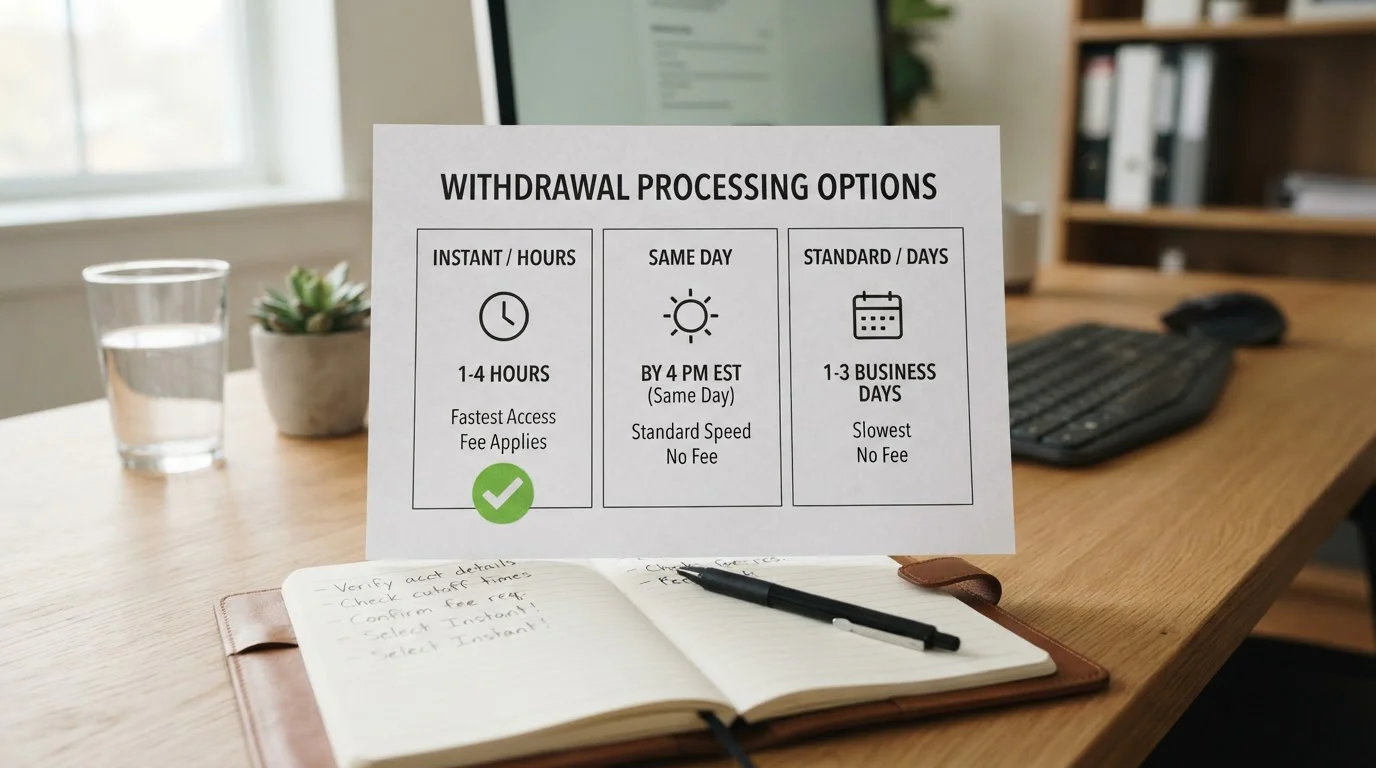
Trustly and Pay by Bank withdrawals route back to the same bank account you deposited from. When you request a cashout, the casino processes the payout via the same open-banking rail. Funds land in your bank account directly—no intermediary wallet, no second step. Processing windows: Trustly typically lands within 2–8 hours at tier-one operators (Casumo 4–8 hours), slower at mid-tier casinos (6–24 hours). Pay by Bank withdrawals typically land within 24 hours, with Grosvenor’s Instant Bank Transfer clearing in around 15 minutes under its Fast Withdrawal feature.
PayPal withdrawals go to your PayPal balance, not directly to your bank account. The casino processes the payout to PayPal (2–24 hours from approval, sub-4 hours at Betway, same-day at Casumo). Once funds hit your PayPal balance, you transfer to your bank via PayPal’s Instant Transfer feature (linked to your debit card, clears in minutes) or leave the balance in PayPal to spend elsewhere. PayPal charges nothing for the transfer.
Apple Pay withdrawals almost never go directly to Apple Pay. Most UK casinos route the payout to the underlying debit card linked to your Apple Wallet. That processes as a standard card withdrawal: 1–3 business days from casino approval to funds landing in your bank account. Grosvenor is one of the few operators supporting direct Apple Pay withdrawal with Fast Withdrawal speeds (15 minutes), but it’s rare.
Skrill withdrawals land in your Skrill balance within 24–48 hours of casino approval. You then withdraw from Skrill to your bank account. Skrill charges €5.50 for withdrawals under €150 (roughly £128). Above €150, the fee is waived. That fee is Skrill’s, not the casino’s. PayPal charges nothing, which is why PayPal has eaten Skrill’s UK market share since 2018.
How long do Trustly withdrawals take at UK casinos?
Typically two to eight hours at tier-one operators such as Casumo, up to 24 hours at mid-tier casinos, so same-day is the norm. That’s faster than debit cards, which take one to three business days, and competitive with PayPal, which usually clears within 24 hours. First withdrawals can take longer while checks complete.
Why Klarna Alternatives Are Better for UK Players
Klarna’s exit didn’t leave a gap—it revealed that the alternatives were already superior. Open banking and e-wallets both deliver instant deposits and faster withdrawals than debit cards, without the credit-for-gambling exposure that forced Klarna out. The regulatory backing is stronger, the operator acceptance is wider, and the fee structures are transparent.
Speed: Instant Deposits, Same-Day Withdrawals
Every Klarna alternative deposits instantly. Open banking (Trustly, Pay by Bank) and e-wallets (PayPal, Skrill, Apple Pay) all clear within seconds of authorisation. The casino credits your balance before you close the payment screen. Debit cards are equally fast for deposits, but withdrawals lag—1 to 3 business days for card payouts versus 2 to 24 hours for Trustly and PayPal.
Same-day withdrawals are the real differentiator. Trustly at Casumo averages 4 to 8 hours from approval to funds landing in your bank account. PayPal at Betway clears in under 4 hours. Grosvenor’s Fast Withdrawal feature processes PayPal and Instant Bank Transfer payouts in 15 minutes. Those are documented processing windows rather than headline marketing claims. Debit card withdrawals take a minimum of one business day, usually two, occasionally three if the casino’s processor is slow or your bank batches incoming transfers overnight.
The speed advantage compounds for players who cycle deposits and withdrawals frequently. If you’re cashing out winnings to rebuy at another casino, waiting three days for a debit card payout is friction. Waiting six hours for Trustly is negligible.
Security: Open Banking and Tokenisation
Open banking never exposes your card number or bank credentials to the casino. When you deposit via Trustly or Pay by Bank, the payment is authorised in your own banking app, using your bank’s authentication (biometric or passcode). The casino receives confirmation of the transfer, but it never sees your login credentials, your card PAN, or your CVV. The payment processes as a direct bank transfer. The casino has no stored payment details to compromise in a data breach.
Apple Pay takes a different route to the same outcome. Your real card number is tokenised—replaced with a device-specific token that only works on your iPhone or Apple Watch. The casino receives the token, not your card number. If the casino’s database is breached, the token is useless to anyone without physical access to your device and your Face ID or Touch ID.
PayPal and Skrill intermediate. The casino stores your PayPal or Skrill account email, not your bank or card details. Those details live with PayPal or Skrill, both of which are FCA-authorised e-money institutions subject to PSD2 safeguarding rules (customer funds held in segregated accounts, separate from company operating capital). The security layer is pushed upstream to the e-wallet provider.
Debit cards, by contrast, require you to enter your 16-digit card number, expiry date, and CVV into the casino’s payment form. That data passes through the casino’s processor and is tokenised on the processor’s side, but the initial entry point is the casino’s checkout page. If the casino’s site is compromised via a front-end injection attack (rare, but it happens), your card details can be skimmed before tokenisation occurs. Open banking and tokenised mobile wallets close that window entirely.
Regulatory Backing: FCA Authorisation and UKGC Compliance
Trustly, Ecospend, Yapily, TrueLayer, Modulr, PayPal, and Skrill are all FCA-authorised payment institutions under PSD2. Their authorisation numbers are publicly listed on the FCA register. They operate under the same regulatory framework that would have governed Klarna if it had stayed in the gambling vertical. The difference is oversight: FCA-authorised providers undergo regular audits of their safeguarding procedures (how customer funds are held), their anti-money-laundering controls, and their technical security.
Apple Pay isn’t FCA-authorised because Apple doesn’t hold funds—the payment routes through your card issuer (your bank), which is FCA-regulated. The regulatory accountability sits with the bank, not Apple. That’s fine. The bank is subject to stricter oversight than most payment institutions.
The UKGC does not publish a list of approved payment methods; what it does require is that none of them involves credit. Every major UKGC operator accepts debit cards, and most now offer open banking or e-wallets. The regulatory push is toward instant, verifiable funding—open banking fits that mandate better than card payments because the bank-account linkage doubles as a KYC verification layer. Trustly and Pay by Bank connect your verified bank account to the casino, which reduces identity fraud at the operator’s end.
Klarna would have met the same regulatory standards if it had stayed. But its exit left a market where every remaining alternative is already FCA-authorised, already UKGC-compliant, and already accepted at 40% to 78% of UK-licensed casinos. There’s no gap.
Are Klarna alternatives safe and regulated in the UK?
Yes. Trustly, Pay by Bank (Ecospend, Yapily and similar), PayPal and Skrill are all FCA-authorised under PSD2, and Apple Pay routes through FCA-regulated banks. They operate under the same regulatory framework Klarna would have if it hadn’t left gambling in 2020, and all safeguard customer funds under UK e-money rules.
Mobile Casino Deposits with Apple Pay and Pay by Bank
Mobile accounts for 60% of UK online casino traffic as of 2025, per industry estimates. Apple Pay and open banking are the two methods optimised for mobile-first deposits. Apple Pay delivers one-tap convenience via Face ID or Touch ID. Open banking (Trustly, Pay by Bank) redirects to your banking app for biometric authorisation and then returns you to the casino within seconds. Both are faster than entering a 16-digit card number on a phone keyboard.
Apple Pay’s limitation is device lock. It only works on iPhones, iPads, Apple Watches, and Macs with Touch ID. Android users (45% of the UK smartphone market) are excluded. Pay by Bank and Trustly work on any device with a browser and a banking app, which makes them platform-agnostic.
The mobile deposit flow for Pay by Bank is optimised around app-to-app handoff. You tap “Pay by Bank” in the casino’s mobile site or app, the casino redirects you to your banking app (the handoff happens automatically if your banking app is installed), you authenticate via biometric, confirm the payment, and you’re returned to the casino with funds credited. Total time: 15 to 30 seconds. Desktop users get a QR code to scan with their phone, which triggers the same app-based flow.
Apple Pay on mobile is even faster: tap Apple Pay at the casino cashier, authenticate via Face ID or Touch ID (no redirect, authorisation happens inline), confirm, done. Ten seconds. The trade-off is the device lock and the withdrawal limitation (most casinos route Apple Pay payouts back to your debit card, processed as a card withdrawal, 1 to 3 days).
Minimum deposits for mobile are the same as desktop: £5 to £10 depending on the operator and the method. Maximum deposits are capped by the payment provider’s limits (Apple Pay typically £1,000–£5,000 per transaction, Trustly and Pay by Bank typically £10,000 per transaction). High rollers deposit via desktop or contact VIP managers to raise limits.
Bonuses and Payment Method Exclusions
Many UK casinos exclude e-wallet deposits from triggering welcome bonuses. The exclusion typically lists PayPal, Skrill, Neteller, and sometimes Apple Pay. Open banking (Trustly, Pay by Bank) and debit cards are almost never excluded. The reason is operational, not regulatory.
E-wallets let players move funds between casinos quickly. Deposit at Casino A via Skrill, claim the welcome bonus, wager through, withdraw to Skrill, deposit at Casino B, claim the second welcome bonus, repeat. This is bonus arbitrage, and it was rampant in the mid-2010s before operators tightened terms. The response was blanket exclusion: if you fund your account via PayPal or Skrill, the deposit doesn’t count toward bonus eligibility.
Debit cards and open banking don’t enable the same arbitrage because the funds route through your bank account. There’s friction. Withdrawing from Casino A to your bank, then depositing at Casino B via Trustly, takes hours (withdrawal processing plus bank transfer). That friction is enough to deter casual bonus hunters, so operators don’t exclude debit cards or Trustly from bonus terms.
The exclusion is stated in the small print of every bonus offer. If you’re chasing a welcome match or free spins, check the “excluded payment methods” clause before depositing. Funding via PayPal at Casumo won’t trigger the 50% match up to £100. Funding via Trustly will. The deposit itself works either way—the bonus eligibility is the only variable.
Some operators have softened the exclusion. A few now allow PayPal deposits but cap the bonus at £25 for e-wallet users (versus £100 for card or Trustly users). Before the 10x cap took effect in January 2026, others applied higher wagering requirements to e-wallet bonuses (40x instead of 30x); the cap now applies whatever the deposit method. The trend is toward nuance rather than blanket bans, but as of 2026, most UKGC casinos still exclude PayPal and Skrill from welcome offers entirely.
Why do some casinos exclude PayPal and Skrill from bonuses?
E-wallets enable bonus arbitrage—players deposit, claim a bonus, withdraw and repeat quickly across casinos. Operators exclude PayPal and Skrill to limit this. Debit cards and Trustly carry more friction, because bank transfers take hours, so they’re rarely excluded. Always check a promotion’s excluded-methods clause before depositing to claim a bonus.
Game Variety at Klarna-Alternative Casinos
Every UKGC-licensed casino that accepts Trustly, PayPal, or Pay by Bank offers slots, live dealer, and table games. The payment method you use doesn’t determine game access—the operator’s provider contracts do. Videoslots stocks well over ten thousand games regardless of whether you deposit via Trustly or debit card. Casumo’s 3,500-game library is available to all players. Betway’s 500 games don’t vary by payment method.
The myth that e-wallet users get restricted game access stems from a different exclusion: some game providers (NetEnt historically, a few others) prohibited their slots from being offered to players who deposited via Skrill or Neteller, due to bonus-abuse concerns. That provider-level restriction has mostly disappeared as of 2026. The bonus exclusion remains (deposit via Skrill and you won’t get the welcome offer), but once you’re playing, the full game library is open.
Live dealer is universally available. Evolution, Pragmatic Live, and Ezugi supply the majority of UK casino live tables, and none restrict access by payment method. Grosvenor’s proprietary live tables (streamed from Grosvenor Victoria) are open to all players regardless of deposit method.
UK Gambling Commission Payment Regulations
The regulatory framework governing casino payments in the UK starts with the Gambling Act 2005 and runs through the UKGC’s Licence Conditions and Codes of Practice (LCCP), updated continuously. The most material rule for this topic is LCCP 5.1.1, effective 14 April 2020: the credit card ban.
The Credit Card Ban (2020)
All UKGC licensees are prohibited from accepting credit cards for online gambling deposits. The rule was introduced after a 2018 parliamentary inquiry into gambling-related harm flagged credit cards as a vector for problem gambling. The reasoning: credit cards enable players to gamble with borrowed money, compounding losses and accelerating debt spirals.
The ban covers all credit cards: Visa, Mastercard, American Express, and any other credit-issuing product. Debit cards remain legal because they draw from the player’s own funds. Charge cards (Amex cards that require full balance payment each month) are also banned, despite not being revolving credit, because the UKGC classified them alongside credit cards in the rule.
The credit card ban is why Klarna’s Pay Later and Pay in 3 products are verboten for gambling. They’re functionally short-term loans, even if interest-free. Offering them for casino deposits would violate the spirit of LCCP 5.1.1, and Klarna exited the vertical rather than face regulatory scrutiny.
Open Banking and PSD2
Open banking in the UK is governed by the Payment Services Directive 2 (PSD2), implemented 2018–2019. PSD2 allows FCA-authorised third parties (Trustly, Ecospend, Yapily, etc.) to initiate payments on behalf of users, with the user’s explicit consent, via API access to UK banks. The framework is designed to increase competition in payments and reduce reliance on card networks.
Open banking payments are regulated as standard bank transfers. The casino receives the funds as a direct transfer from the player’s bank account. The third-party provider (Trustly, Pay by Bank) initiates the transfer but doesn’t hold the funds. Regulatory oversight sits with the FCA (for the provider’s authorisation) and the player’s bank (for the transfer itself).
Open banking is not a separate category in the UKGC’s payment-method guidance. It’s treated as bank transfer, which has always been legal for UK gambling. The innovation is speed—open banking delivers instant bank transfers where traditional bank transfers took 1 to 3 days.
KYC Requirements Before You Play
UKGC rules require operators to verify a player’s age and identity before that player can deposit or gamble, a requirement in force since May 2019. Operators must confirm the player’s name, date of birth, and address, usually electronically and otherwise with official documents (passport, driving licence, utility bill). Open banking’s bank-account linkage and card issuer name matching can support those checks, but they do not replace them, and some operators run extra payment-method checks before a first withdrawal.
The verification process takes 24 to 72 hours on average, depending on the operator’s KYC team and document quality. Automated systems (using third-party verification APIs) can clear ID checks in minutes if your documents are machine-readable and your data matches electoral-roll records. Manual review takes longer.
Enhanced due diligence kicks in when a player’s deposits or losses reach thresholds set by UKGC rules and the operator’s own risk policy. At that point, operators may perform affordability checks: verifying source of funds, requesting payslips or bank statements, and assessing whether the player’s deposit pattern is sustainable relative to their income. Thresholds vary by operator; some casinos apply stricter triggers than others.
What About Non-GamStop Casinos and Klarna?
The idea of “Klarna casinos not on GamStop” reflects a category confusion. GamStop is the UK’s national self-exclusion scheme. Every UKGC-licensed casino is enrolled in GamStop by regulation. If you self-exclude via GamStop, you’re blocked from all UK-licensed operators for the period you choose (6 months, 1 year or 5 years).
“Casinos not on GamStop” are offshore operators—typically licensed in Curaçao, Malta (non-UK verticals), or other jurisdictions—that don’t hold UKGC licences and therefore aren’t bound by GamStop. These sites market to UK players but operate outside UK regulatory oversight, offer no UK consumer protection, and undermine the self-exclusion that GamStop exists to provide. If you have self-excluded, support is available from GamStop, GamCare (0808 8020 133) and BeGambleAware.
Klarna doesn’t work at offshore casinos either. Klarna’s March 2020 gambling ban was global, not UK-specific. Curaçao-licensed casinos, Malta-licensed international casinos, and other non-GamStop operators are subject to the same Klarna prohibition as UKGC sites. Klarna’s acceptable-use policy blocks gambling transactions regardless of the operator’s jurisdiction.
Some offshore casinos claim to accept “Klarna” in their cashier lists, but these are either mislabelled open-banking providers (the casino is using Trustly or a similar rail and calling it Klarna generically) or the listing is outdated. Attempting a Klarna Pay Later deposit at an offshore casino will fail at authorisation because Klarna blocks gambling merchant codes globally.
Crypto casinos are orthogonal to the Klarna question. Bitcoin, Ethereum, and other cryptocurrencies don’t involve Klarna or any other fiat payment processor. Crypto deposits bypass traditional payment rails entirely. If you’ve seen “Klarna crypto casinos” advertised, the answer is: crypto casinos don’t use Klarna, and Klarna doesn’t process crypto. The two systems don’t intersect.
Bingo and betting sites face the same Klarna prohibition. Klarna’s gambling ban covers all verticals: casino, sportsbook, bingo, poker, lottery. “Klarna bingo sites” and “Klarna betting sites” are the same dead end as “Klarna casinos.”
Casino Deposit Methods UK 2026 — Compare Payment Options
Content created by the «casinopayoptions-uk.com» team