
Casinos That Accept Dogecoin in the UK: A Straight Look at the 2026 Options
 Available in GB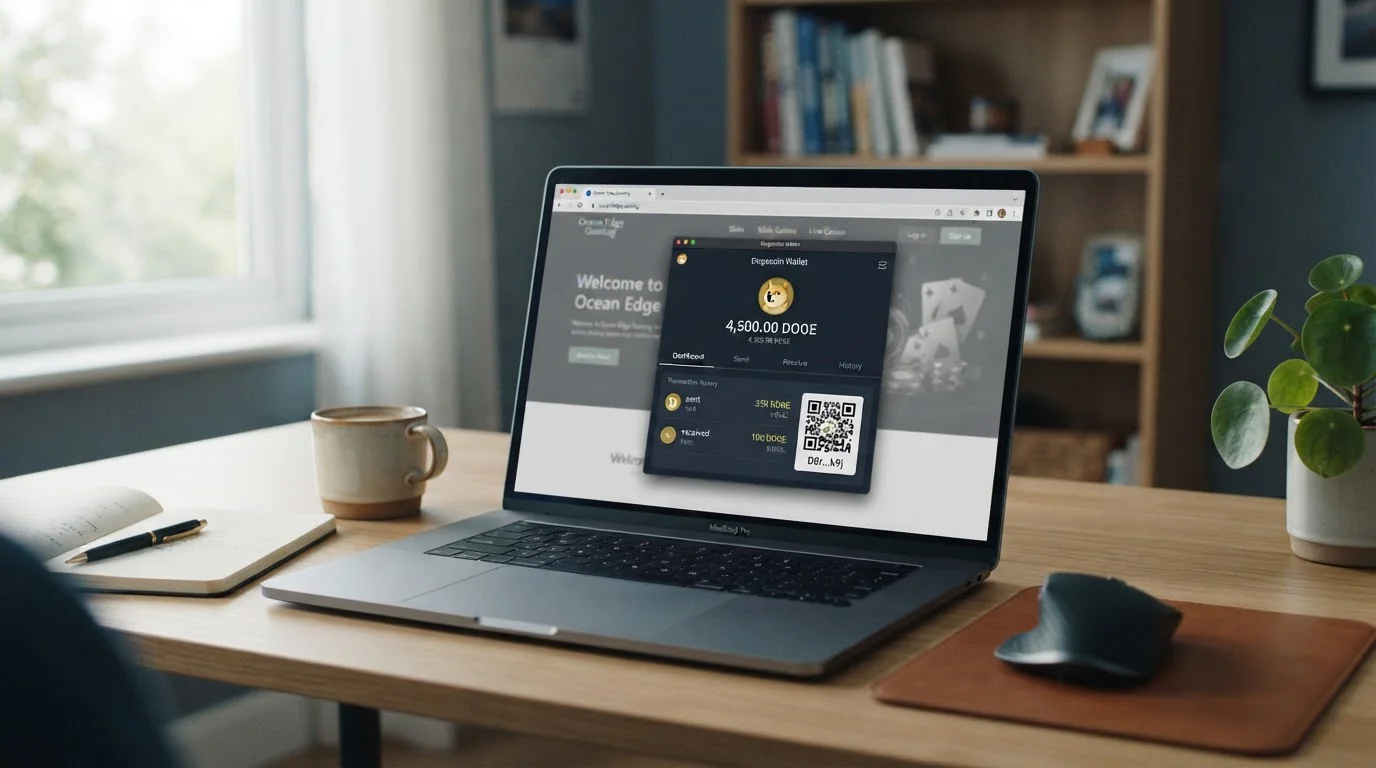
Start with the part nobody selling you a “top 10” wants to say first. Not a single casino licensed by the UK Gambling Commission takes Dogecoin. Not one. Every site that lets a British player deposit DOGE sits offshore, flying a licence from Curaçao, Anjouan, or nothing at all. That is not a loophole or a technicality waiting to be cleared up. It is the whole shape of the market, and any guide that buries it under a wall of green rocket emojis is lying to you by omission.
So the real question is not whether you can gamble with Dogecoin from the UK. You can. The question is which offshore operators are worth the trade-off, what you give up by stepping outside the UKGC’s umbrella, and how to move your coins without feeding them to the first flashy cashier that promises “instant” everything. That is what the rest of this covers: named sites, real licence numbers, the recent blow-ups the affiliate pages forgot to update, and the plumbing of a DOGE deposit from wallet to balance.
Dogecoin earns its place in this corner of gambling for dull, practical reasons. Blocks confirm roughly once a minute. Network fees sit under a penny, often a fraction of that. A deposit clears while a Bitcoin transfer is still waiting on its first confirmation. The meme coin that started as a joke in 2013 turned out to be decent casino plumbing, and in 2026 it still shifts over half a billion dollars in daily transaction volume. The coin works. The hard part is the company it keeps.
Casinos That Accept Dogecoin in the UK: The Complete 2026 List
Eight offshore operators make up the vetted core. Some hold post-reform Curaçao certificates issued under the new LOK framework from late 2024. Others flew to Anjouan when Curaçao got stricter. One lists no licence at all but runs around 17,000 games and has not exit-scammed yet. The table below lays out what each brings.
| Operator | Licence | Game Count | Withdrawal Speed | Key Feature |
|---|---|---|---|---|
| BC.Game | Anjouan (September 2026 migration) | 10,000+ | Automated, 1–6 min network time | Native $BC token rewards ecosystem |
| Rollbit | Anjouan (September 2026 switch) | Not published | Sub-1-hour, often minutes | 1000x leverage crypto futures trading |
| Cloudbet | Curaçao OGL/2024/328/0599 | Around 5,000 | Automated, no ceiling once verified | Operating since 2013, independent adjudicator clause |
| TrustDice | Curaçao OGL/2024/664/0280 | 8,000+ | Under 10 minutes, often seconds | Free crypto faucet every 6 hours, TXT token staking |
| Duelbits | Curaçao OGL/2024/1507/0838 | Not published | Under 1 hour typical | Strong esports coverage, provably fair originals |
| Ninlay Casino | Anjouan | Not published | Standard offshore processing | UK-targeted .uk domain, GBP-denominated bonuses |
| Lucky Block | Curaçao (number not published) | 4,000+ | Instant, no max limits | 200% bonus up to €25,000 |
| Vave | Costa Rica (no published licence) | ~17,000 | Automated | Largest game library, 99% RTP on originals |
The order above reflects a mix of establishment, licensing transparency, and game library depth, not paid placement or affiliate bribes. BC.Game and Rollbit dominate brand awareness for a reason: they throw money at sports sponsorships and influencer deals. Cloudbet has been taking Bitcoin bets since 2013, back when most of today’s operators were still PowerPoint decks. TrustDice and Duelbits sit in the competent middle tier. Ninlay, Lucky Block, and Vave fill out the list with niche angles or, in Vave’s case, a game count so large it compensates for a missing licence number.
Notice what is absent. Stake. It exited the UK market in March 2025 after regulatory heat, so any guide still listing it as available is running on stale content. That departure opened space, and BC.Game plus Rollbit both jumped ship from Curaçao to Anjouan licences in September 2026. Same month, Duelbits suffered a seven-million-dollar hot wallet hack, went offline briefly, then resumed operations. Those are the kinds of events that shape the offshore landscape, and they happened inside the last twelve months.
Now the breakdowns, operator by operator, because a row in a table tells you features but not whether the site is worth the risk.
BC.Game: 10,000+ Games and Native Token Rewards
BC.Game operates under an Anjouan licence as of September 2026, having voluntarily withdrawn its Curaçao certificate one day before the Gaming Authority there was due to rule on its status. BlockDance B.V. owns the entity now handling the offshore platform. The casino runs over 10,000 games spanning slots, live dealer, table games, and a full sportsbook, with its own suite of provably fair BC Originals built in-house. It accepts over 100 cryptocurrencies including Dogecoin, and the cashier processes withdrawals automatically with no manual holds on standard amounts. Publicly, BC.Game sponsors Leicester City FC and has Jason Derulo’s name plastered across promotional pages, which tells you how much marketing budget they burn through annually.
What sets it apart is the $BC token ecosystem. Players earn the native token through wagering, stake it for yield in a vault that pays daily returns, and climb VIP tiers based on token holdings rather than raw turnover alone. The $BC token hit an all-time high of roughly 1.2 cents in April 2026, though like any casino token its value moves with hype cycles rather than fundamentals. If you are chasing rakeback, the highest tiers here beat flat percentage systems at mid-tier casinos. If token speculation leaves you cold, the core product is a competent multi-crypto casino with a game library large enough that you could scroll for an hour and still find something new. The September licence migration sits awkwardly on the trust ledger, but the site has not collapsed or exit-scammed, and in the offshore world that counts as a positive signal.
Rollbit: Crypto Casino Meets 1000x Leverage Trading
Rollbit, operated by Bull Gaming N.V., switched its licence from Curaçao to Anjouan in September 2026, updating its terms on the sixteenth of that month. The platform mixes a standard crypto casino, sportsbook, and esports betting with synthetic crypto futures offering up to 1000x leverage and an NFT marketplace built around the Rollbots collection. The casino side offers provably fair originals, third-party slots, and live dealer tables, all paid for and withdrawn in crypto, with a separate UKGC-licensed Rollbit UK entity serving fiat customers on a product that does not touch crypto deposits. That UKGC version is irrelevant here. The offshore Rollbit accessible to UK players processes Dogecoin deposits and settles withdrawals inside an hour, often within minutes, consistently ranking as one of the fastest cashiers in this cohort.
The VIP programme runs on rakeback percentages, topping out at fifty per cent at the Vibranium tier. But the heavier baggage sits off-ledger. Bull Gaming N.V. was hit by a 123-million-dollar Ukrainian money-laundering court seizure, a fact buried in most affiliate reviews. The platform has also been accused of showing fake balances to influencers during paid promotions, which if true would rank among the grimier tactics in an already dim industry. On the product side, Rollbit is technically impressive: fast, feature-rich, and the only casino in this list that lets you gamble on blackjack and then immediately open a 1000x long on Bitcoin in the same wallet. Whether that is a benefit or a recipe for blowing through your bankroll twice as fast depends on your risk tolerance and self-control. The trading integration is unique. The reputational red flags are real.
TrustDice: Free Crypto Faucet and Play-to-Mine
TrustDice has operated since 2018 under the Satoshi Gaming Group N.V. banner, registered with the Curaçao Chamber of Commerce at number 151832 and holding a licence from the Curaçao Gaming Authority issued in July 2024, number OGL/2024/664/0280. That makes it one of the few operators in this guide with a clearly published, verifiable Curaçao certificate under the new LOK framework, which took full effect in December 2024. The platform carries over 8,000 games from established third-party providers plus a set of provably fair originals like Dice, Crash, and Plinko. Withdrawals process in under ten minutes on average, often within seconds when using high-throughput chains like TRON or BNB Smart Chain. Dogecoin sits in the middle for speed, confirming in one to six minutes depending on casino confirmation requirements.
The standout feature is the free crypto faucet. Every six hours, players can claim small amounts of BTC, ETH, USDT, or the platform’s native TXT token, with VIP members reducing the cooldown to one hour. It lets you test the platform without depositing, though the amounts are too small to fund serious play. TXT itself operates on a Play-to-Mine model, where wagering earns tokens you can then stake for daily rewards. The welcome bonus stretches to 500 per cent up to 3 BTC across three deposits, which in absolute terms is one of the more generous offers in crypto gambling, though the rollover requirements turn that headline figure into a longer grind than it first appears. TrustDice’s terms also permit VPN use, unlike most competitors who ban it. That is a policy detail, not a reason to use one: a VPN adds no player protection, and location disputes at offshore sites have no UK route to resolution.
Cloudbet: The 2013-Era Bitcoin Casino Still Leading
Cloudbet is the oldest operator on this list, taking its first Bitcoin bets in 2013 when the broader crypto gambling sector was barely a cottage industry. Halcyon Super Holdings B.V., registered in Curaçao at company number 148526, holds the current licence issued by the Curaçao Gaming Authority under number OGL/2024/328/0599. The casino accepts 29 cryptocurrencies, one of the broader ranges in this cohort, covering all the major networks from Bitcoin and Ethereum down to Dogecoin, Litecoin, Cardano, Solana, and both major stablecoins. The game library sits around 5,000 titles, smaller than BC.Game or Vave but curated toward established studios rather than chasing count for count’s sake. A sportsbook and esports section sit alongside the casino, and the cashier processes crypto payouts with no withdrawal ceiling once a player is fully verified.
Two details separate Cloudbet from the pack. First, its terms explicitly name an independent adjudicator whose decisions are binding on the casino, a clause absent from every other operator reviewed here. Most offshore casinos reserve the right to be judge and jury on disputes. Cloudbet, at least on paper, has outsourced that to a third party. Whether that clause holds weight in a real dispute is untested in public, but the fact it exists at all is a positive signal. Second, the site publishes its fee schedule transparently rather than hiding withdrawal costs behind vague processing charges. That level of disclosure is unusual in the offshore world, where opacity is the default. The trade-off is a slightly older interface and less aggressive bonus terms compared to newer entrants chasing market share. If you value a long operational history and slightly better structural transparency over flashy promotions, Cloudbet edges ahead.
Duelbits: Provably Fair Originals and Strong Esports Coverage
Duelbits launched in 2020 under Liquid Entertainment N.V., holding Curaçao Gaming Authority licence number OGL/2024/1507/0838 issued under the National Ordinance on Games of Chance. The platform combines a crypto casino with a sportsbook that tilts heavily toward esports, covering League of Legends, CS:GO, Dota 2, and Valorant markets in unusual depth for an offshore operator. The casino side includes third-party slots, live dealer tables, and a suite of provably fair originals where players can verify the RNG outcome independently using seed strings. Withdrawals typically process within an hour, and the VIP rakeback system scales by tier, though specific percentages are not disclosed publicly outside the highest levels.
On 24 September 2026, Duelbits went offline after attackers drained its hot wallets across Ethereum, BNB Chain, TRON, and Bitcoin, making off with roughly seven million dollars. Cofounder Joe confirmed the breach publicly, blockchain security firms tracked between 4.2 and 6 million depending on which chains they counted, and the site resumed operations shortly after, though the operator has not published a detailed restoration timeline. That is the kind of event that would sink trust in a UKGC-licensed operator permanently. In the offshore world, it gets a few news articles and then everyone moves on because there is no regulatory body forcing disclosure or compensation. Duelbits claims in its own help documentation that it operated without a security breach since 2020, a statement the September hack rendered false. If you use Duelbits, the esports markets and provably fair games are legitimately strong. The security track record now has a visible crack.
Ninlay Casino: UK-Targeted Offshore Platform
Ninlay operates under an Anjouan Gaming Board licence with an ownership structure split between Liernin Enterprises Ltd, Rabidi N.V., and NovaForge Ltd handling operations. The platform uses a .uk domain for marketing, denominates its welcome bonus in pounds, and structures its entire front-end to appeal to British players, despite holding no UK Gambling Commission licence and sitting entirely outside UKGC jurisdiction. That explicitness is unusual. Most offshore casinos nod vaguely toward being “international” while hoping UK traffic flows in quietly. Ninlay just puts the target market in the domain name. The casino accepts Bitcoin, Ethereum, Litecoin, Dogecoin, and USDT alongside traditional cards and e-wallets, settling everything in EUR or GBP equivalent.
The welcome package advertises 100 per cent up to £500 plus 200 free spins on the first deposit, though the package has also been advertised as 200 per cent plus 50 free spins across multiple deposits, so check the current offer in the cashier before you deposit. Ninlay does not publish a game count; the catalogue is sourced from well-known software studios. TLS 1.3 encryption and segregated client funds are listed as security features, which is baseline for any modern gambling site, offshore or otherwise. Ninlay is competent and unremarkable. It does what it says without standing out in library size, bonus generosity, or withdrawal speed. If you want an offshore Dogecoin casino that feels designed for UK players specifically rather than translated from a Curaçao template, this is that option. If you want best-in-class anything, look elsewhere.
Lucky Block: 200% Bonus Up to €25,000
Lucky Block states that it holds a Curaçao licence, though the specific Gaming Authority certificate number does not appear on the operator’s own licensing page, so check the footer and the Curaçao validator before depositing. The platform launched after 2020 and carries over 4,000 games spanning slots, live dealer, table games, and a built-in sportsbook. Crypto withdrawals process instantly on the casino’s side with no maximum limits, meaning large wins theoretically clear as fast as small ones, though in practice any five-figure withdrawal is likely to trigger manual KYC review no matter what the terms promise. The site accepts 15-plus cryptocurrencies including Dogecoin, with fiat options available for jurisdictions where cards and bank transfers still dominate.
The headline feature is the welcome bonus: 200 per cent match up to €25,000. That is the largest single-deposit match ceiling in euro terms in this group (TrustDice’s bigger headline is spread over three deposits), dwarfing the industry-standard 100 per cent up to a few hundred quid that most competitors run. The catch lives in the rollover requirements, which for a bonus that size will demand tens of thousands in wagering before a penny converts to withdrawable cash. Bonuses that large are designed for high-rollers who would have put that volume through anyway, not casual players looking for a hundred-quid boost. Beyond the bonus, Lucky Block is a standard multi-crypto casino with a black-on-dark interface, mobile optimisation, and no particular distinguishing features in game selection, speed, or transparency. The missing licence number is a minor red flag in a sector where even the shadiest operators can usually produce a Curaçao certificate. It has not stopped the site operating or paying out, but it does leave a documentation gap competitors like TrustDice and Cloudbet do not have.
Vave: ~17,000 Games but Weakest Licensing Transparency
Vave operates from a Costa Rica registration, and here is where the licensing picture turns murky. Vave publishes no licence number and names no regulator on its own site, whatever third-party listings may claim about a Curaçao licence. Costa Rica does not issue formal online gambling licences, meaning operators registered there run as businesses with zero regulatory oversight. That is the weakest licensing transparency in this entire list. What Vave does have is around 17,000 games, the largest library by count of any Dogecoin casino serving UK players, and twelve in-house Vave Originals running at a flat 99 per cent RTP across Dice, Mines, Plinko, Limbo, and the rest of the provably fair catalogue. The sportsbook specialises in football, with marquee European fixtures carrying over 3,000 individual markets.
The welcome package splits between casino and sportsbook: 1 BTC cashback for casino players, 100 per cent deposit match up to 500 USDT for bettors. Vave markets itself as anonymous and no-KYC, but the terms require mandatory identity verification before the first withdrawal, which makes the no-KYC claim misleading at best. That bait-and-switch is common enough in crypto gambling that it barely registers as unusual, but anyone who took the marketing literally should plan for verification. If your priority is the largest possible game selection and you can tolerate the fuzziest licensing situation in the group, Vave delivers on library size. If transparent regulatory oversight matters, every other operator on this list beats it. The 99 per cent RTP on originals is legitimately generous. The missing or unpublished licence is not.
What Happened to Stake Casino in the UK?
Stake stopped serving UK players on 11 March 2025, following sustained regulatory pressure. Before that it was the largest crypto casino brand accessible from Great Britain. UK traffic is now blocked, so any guide still listing Stake as available is out of date. BC.Game, Rollbit and others have absorbed the freed market share.
Why UK-Licensed Casinos Don’t Accept Dogecoin
Zero UKGC-licensed operators accept direct cryptocurrency deposits as of 2026. That is not an oversight waiting for the right operator to sort out the paperwork. It is a structural impossibility under the current Licence Conditions and Codes of Practice that govern how gambling businesses operate in Great Britain. The LCCP provisions on payment methods, anti-money laundering compliance, and source-of-funds verification all require that deposits move through channels offering a clear, traceable link to a real-world bank account. Cryptocurrency deposits, by design, do not provide that link. An on-chain transaction shows a wallet address and a blockchain trail, but it does not automatically connect to a person’s identity or bank details in the way a card payment or bank transfer does.
This creates an intractable problem for UKGC licensees. The regulator needs operators to verify that gambling funds come from legitimate sources, particularly for players depositing large sums. A crypto wallet holding tens of thousands of pounds worth of Bitcoin or Dogecoin could have been funded through entirely legal means, or it could represent the output of a mixing service laundering proceeds from something else. The chain of custody back to a verified bank account does not exist in the same forensic form it does for a Visa transaction. Rather than try to square that circle, the UKGC simply does not permit direct crypto deposits at licensed sites. The few UK-licensed operators that tangentially interact with cryptocurrency do so indirectly: a player funds an e-wallet like Skrill with crypto off-platform, then deposits from Skrill to the casino. The casino itself never touches the crypto transaction.
The UKGC has opened exploratory discussions about how crypto could potentially be integrated under the FCA’s new regulatory framework for digital assets, with any future rollout contingent on full FCA authorisation, strict affordability checks, and enhanced AML procedures. No policy change has been announced. No timeline exists. For now, the situation remains binary: UKGC-licensed sites do not take crypto, and offshore operators do.
UKGC LCCP Requirements Explained
The Licence Conditions and Codes of Practice serve as the rulebook for every gambling operator holding a UK licence. Social responsibility provisions under LCCP require operators to identify customers at high risk of gambling harm and intervene with source-of-funds checks when deposits or losses hit certain thresholds. Those checks depend on the operator being able to trace money back through a regulated financial system where banks, card networks, and payment processors all maintain records tied to real identities. A crypto deposit short-circuits that chain. The blockchain is transparent, but it is pseudonymous. Wallet addresses are not people. You can verify that a transaction happened, but verifying where the funds originated in terms of employment income, savings, inheritance, or something less legitimate is a different problem.
The AML requirements compound the issue. Operators must apply customer due diligence under the Proceeds of Crime Act and the Money Laundering Regulations, which again assume a payment trail that connects through institutions required to perform their own identity checks. Cryptocurrency exchanges are increasingly regulated and do collect KYC data, but once funds leave an exchange into a personal wallet and then move to a casino, that link degrades. The UKGC has stated explicitly that crypto assets will face the same scrutiny as any other funding source, and in some cases more, because of the additional laundering risk. Since the scrutiny cannot currently be applied to the same standard as traditional payment methods, the practical result is prohibition by another name.

None of this is secret. The UKGC’s position is documented in public statements, trade publications, and regulatory updates. Every business holding a UKGC remote casino operating licence operates under the same constraint, and you can check any of them on the Commission’s public register. If you want to gamble with Dogecoin from the UK, you are stepping outside that regulated perimeter entirely.
What Offshore Licensing Means (Curaçao, Anjouan, Costa Rica)
Offshore gambling licences come in tiers of credibility, and even the top tier is a long way below what the UKGC requires. Curaçao underwent a major reform in December 2024, replacing its old master-licence system with direct oversight by the Curaçao Gaming Authority under the new LOK framework. Post-reform, operators now receive individual licences with clearer terms, stricter KYC and AML requirements than the pre-2024 wild west, and actual regulatory supervision rather than the rubber-stamp franchises that dominated before. Licences like the ones TrustDice and Cloudbet hold were issued under that new system and represent the most legitimate end of offshore licensing in 2026. That still leaves them far short of UKGC standards, but they are at least governed by something resembling a functional regulator.
Anjouan, an island in the Comoros, issues internet gaming licences with effectively zero operational requirements. The licence costs less, covers all gambling verticals in a single permit, charges zero per cent gaming tax, and requires minimal ongoing compliance. BC.Game, Rollbit, and Ninlay all migrated to or started with Anjouan licences, and the trend accelerated during 2026 as Curaçao tightened its rules. An Anjouan licence is better than no licence at all, but barely. It signals that an operator bothered to register somewhere, not that any meaningful oversight exists. If you have a dispute with an Anjouan-licensed casino, there is no independent ombudsman, no appeals process, and no regulatory body with the power to compel the operator to do anything. You are on your own.
Costa Rica does not issue gambling licences. Operators register as businesses under Costa Rican corporate law and then advertise themselves as Costa Rica-based, which technically is true but implies regulatory legitimacy that does not exist. Vave operates this way. A Costa Rica registration means the company is incorporated there, nothing more. No gaming regulator reviews its fairness, solvency, or dispute handling. If the site decides to freeze your withdrawal, your only recourse is whatever the operator’s own terms offer, which in most cases is nothing binding.
The trade-off is this: UKGC-licensed sites give you statutory consumer protections, GAMSTOP self-exclusion that works across all operators, access to an approved ADR provider such as IBAS if a dispute goes unresolved, and the weight of a regulator that can and does suspend or revoke licences for non-compliance. Offshore casinos give you faster withdrawals and the ability to deposit crypto, with no GAMSTOP coverage at all. What you lose is the entire safety net UK regulation provides. You are gambling at your own risk in the most literal sense.
Can I Legally Play at Dogecoin Casinos from the UK?
Yes. Gambling at an offshore casino from the UK is not illegal for the player. The Gambling Act 2005 makes it an offence for an operator to serve British consumers without a UKGC licence, but that offence sits with the operator, not you. You will not be prosecuted for depositing Dogecoin at BC.Game or Rollbit.
The practical risks are different. Winnings from offshore gambling are not protected by UK consumer law. If an operator refuses to pay out, you have no route to a UK-approved ADR provider, and no legal standing to force the issue in a British court. The operator’s terms will require disputes to be settled under the law of whatever jurisdiction issued their licence, often via arbitration clauses that make litigation prohibitively expensive. You also forfeit GAMSTOP protection, so if you have self-excluded from UK gambling and then use an offshore site to get around that, you are deliberately bypassing the one tool designed to keep you out when your own judgement fails. If that is where you are, GamCare (0808 8020 133) and BeGambleAware offer free, confidential support.
That is the permission structure. Legally permissible for the player, not safe, not protected, and entirely at the mercy of the operator’s goodwill or commercial interest in maintaining a reputation. Some offshore casinos have operated for years without major scandals. Others have collapsed overnight. The difference is that under the UKGC system, the operator must tell you how well your funds are protected and a regulator stands behind the licence. Under an offshore system, they are an entry on a database the operator controls.
Why Don’t UK-Licensed Casinos Accept Dogecoin?
UK-licensed casinos do not accept Dogecoin because the UKGC’s Licence Conditions and Codes of Practice require a traceable link to a bank account for AML checks. Crypto deposits cannot meet that. The UKGC is exploring frameworks that could allow crypto under FCA oversight, but no policy change has been enacted and no timeline exists.
How to Deposit and Withdraw with Dogecoin at Online Casinos
The mechanics are simpler than the regulatory backdrop. A Dogecoin deposit moves from your wallet to the casino’s wallet via the blockchain, clears in one to six minutes depending on how many confirmations the casino requires, and appears in your account balance ready to bet. A withdrawal reverses the process: you enter your external wallet address in the cashier, the casino processes the request, and the network confirms delivery in another one to six minutes. No bank. No card network. No payment processor taking a cut or holding funds for review. Just peer-to-peer transfer, which is why crypto deposits clear faster than traditional methods and why they also sit outside the regulated framework UKGC sites operate within.
Most Dogecoin casinos require between one and six blockchain confirmations before crediting a deposit. One confirmation means one block added to the chain after the transaction is broadcast, roughly one minute for Dogecoin. Six confirmations means waiting for six blocks, roughly six minutes. The casino sets this threshold to balance speed against security: fewer confirmations mean faster deposits but higher risk of a double-spend attack, though in practice that risk is negligible for amounts under a few thousand pounds. Withdrawals work the same in reverse. The casino might process instantly on its side, but the network still takes one to six minutes to confirm delivery to your wallet. When a site advertises instant withdrawals, they mean no manual processing delay, not that the DOGE materialises in your wallet before the blockchain catches up.
Network fees on Dogecoin sit comfortably under one penny per transaction, often a fraction of a penny. Most casinos cover that fee on withdrawals, so you receive the full amount you requested rather than seeing a deduction for mining fees. Some impose minimum withdrawal thresholds, typically the equivalent of ten to twenty pounds in DOGE, to stop players spamming micro-withdrawals that cost the operator more in processing time than they are worth. Check the cashier page before you deposit to confirm there is no minimum you cannot meet.
Step-by-Step: Making Your First Dogecoin Deposit
First, you need DOGE in a wallet you control. If you already hold Dogecoin from an exchange purchase, withdraw it to a personal wallet rather than leaving it on the exchange. Exchanges can freeze accounts, impose limits, or suffer hacks that empty your balance. A wallet you control means a wallet where you hold the private keys, whether that is a software wallet on your phone, a desktop application, or a hardware wallet for larger holdings. Popular options include Trust Wallet, Exodus, and the Dogecoin Core client, though dozens of others exist. Avoid leaving significant sums on an exchange or in a casino account. Move funds in only when you intend to bet with them.
Next, log into the offshore casino and navigate to the deposit section. Select Dogecoin from the list of supported cryptocurrencies. The casino will generate a unique deposit address, a string of characters starting with a capital D followed by 33 alphanumeric characters. Copy that address exactly. Do not type it manually. A single wrong character sends your DOGE into the void with no recovery. Open your wallet, initiate a send transaction, paste the casino’s deposit address into the recipient field, enter the amount you want to deposit in DOGE, and confirm the transaction. Your wallet will broadcast it to the network.
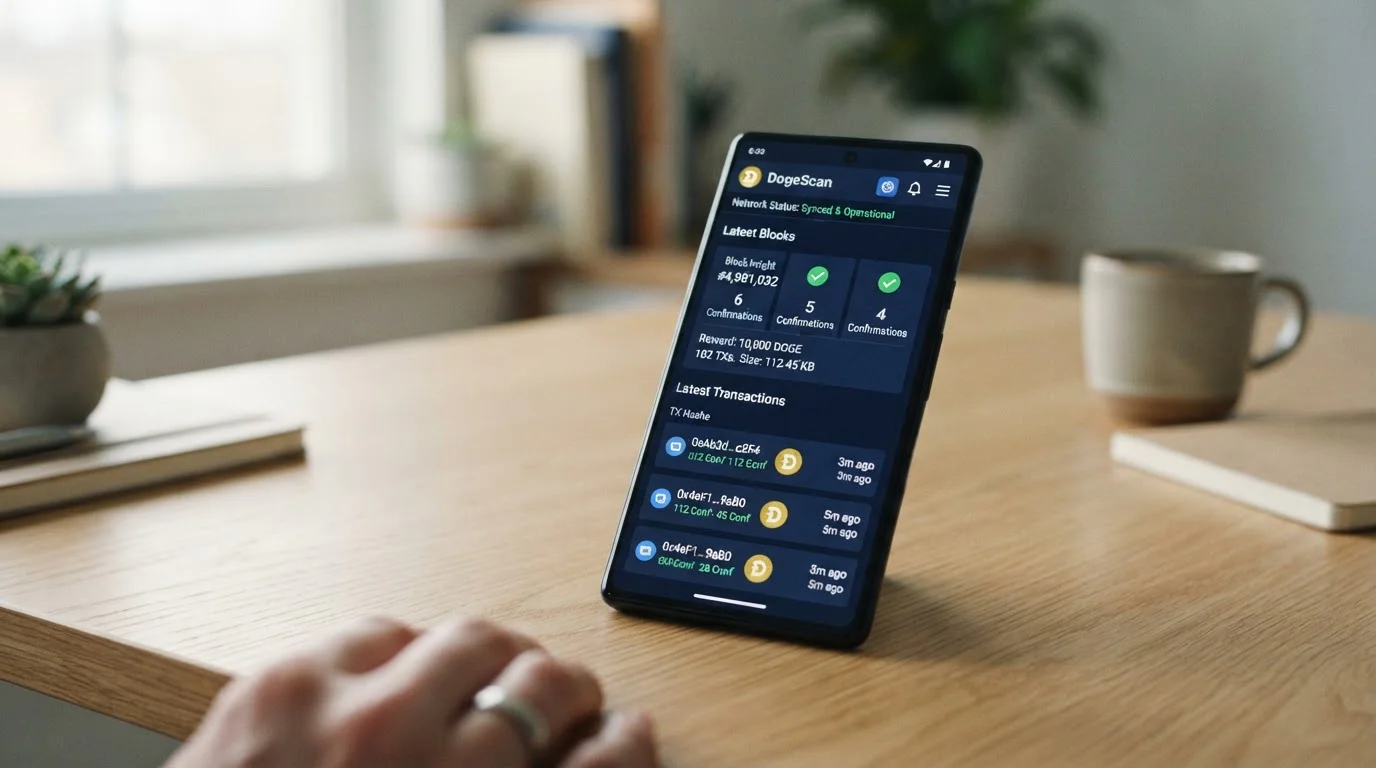
The transaction appears in the mempool immediately but is not confirmed until a miner includes it in a block. Dogecoin’s average block time is one minute, so most deposits confirm within that window. The casino’s deposit page will show pending until the required number of confirmations clears, then your balance updates and you can start playing. If the deposit does not appear after ten minutes, check the transaction ID in a Dogecoin blockchain explorer to verify it was broadcast correctly and has not stalled. Delays beyond that are rare but usually indicate a network congestion issue, not a casino problem.
How Dogecoin Withdrawals Work
Withdrawals follow the same path backward. Navigate to the casino’s withdrawal section, select Dogecoin, enter the amount, and paste your external wallet address into the recipient field. Double-check that address. Sending to the wrong address means permanent loss, and casinos will not reverse a transaction once it is on the chain. Some operators process withdrawals instantly with no manual review. Others hold requests for up to ten minutes for fraud checks, especially on first withdrawals or unusually large amounts. Once processed, the transaction broadcasts to the network, confirms in one to six minutes, and arrives in your wallet.
KYC verification often triggers on the first withdrawal, even at casinos that advertise no-KYC deposits. The operator wants to see a photo ID, proof of address, and sometimes a selfie holding your ID before they release funds. This can add hours or days to the first withdrawal. Some offshore casinos waive KYC up to a certain threshold, often the equivalent of a few hundred or a thousand pounds, then require it above that. Others verify everyone before any withdrawal, contradicting their own marketing. Assume you will need to verify identity at some point, and have documents ready before you deposit significant sums.
If a withdrawal gets stuck, contact support with the transaction details. Most legitimate offshore operators process within an hour. Delays beyond a day, especially if support stops responding, are red flags. At that point your options narrow to public complaints on forums or social media, which sometimes shame an operator into action, or accepting the loss. There is no regulatory hotline to call. That is the trade-off for the speed and privacy crypto offers.
How Long Does a Dogecoin Deposit Take at Online Casinos?
One to six minutes. Dogecoin blocks confirm roughly every sixty seconds, so a one-confirmation deposit credits in about a minute and a six-confirmation one in six. Congestion can stretch that slightly, but DOGE volume rarely causes real delays. Compare that with a card deposit held for review, or a bank transfer taking days.
What’s the Minimum Dogecoin Deposit at Most Casinos?
Typically ten to twenty pounds in DOGE, though it varies by operator; BC.Game, Rollbit and TrustDice sit near that. Some publish no minimum, but a tiny deposit like five pounds of DOGE may not trigger a credit, or gets trapped below a withdrawal minimum. Check the cashier first; assume a tenner clears any threshold.
Offshore vs UKGC Casinos: What You Gain and What You Lose
The comparison is not as simple as faster withdrawals versus regulatory safety. Both models serve different priorities, and pretending they are interchangeable does a disservice to anyone trying to make an informed choice. UKGC-licensed sites lock you into a system built around consumer protection, affordability checks, self-exclusion tools, and dispute resolution that favours the player more often than offshore arbitration clauses ever will. Offshore Dogecoin casinos strip all that away in exchange for speed, lighter verification, and the ability to deposit crypto directly. You cannot have both at the same time, so the question is which trade-off aligns with how you gamble.
| Feature | UKGC-Licensed Sites | Offshore Dogecoin Casinos |
|---|---|---|
| Payment Methods | Cards, bank transfers, e-wallets (Skrill, Neteller, PayPal) | Crypto direct (Dogecoin, Bitcoin, Ethereum, USDT, others) |
| Withdrawal Speed | 1–5 business days typical for cards/banks, e-wallets faster | 1–60 minutes typical, often under 10 minutes |
| KYC Requirements | Age and identity verified before you can gamble, enhanced checks above certain thresholds | Light or no KYC at deposit, often required before first withdrawal, thresholds vary |
| GAMSTOP Coverage | Mandatory participation, self-exclusion works across all UKGC operators | Not covered, players can register even if self-excluded |
| Dispute Resolution | Operator’s complaints process, then an approved ADR provider such as IBAS | Operator’s own terms, arbitration in licence jurisdiction, often no binding recourse |
| Funds Protection | Operator must disclose protection level (not protected, medium or high) | No disclosure requirement |
| Bonus Terms | Wagering capped at 10x since 19 January 2026, strict advertising standards | Uncapped, often larger headline figures with higher rollover |
| Licensing Transparency | Full details published on UKGC register, licence numbers visible, operator ownership disclosed | Varies widely, best operators publish licence numbers (Curaçao), worst publish nothing (Costa Rica) |
| Crypto Support | None (direct on-chain deposits not permitted) | Full support across major coins including Dogecoin |
The table oversimplifies in places. Some UKGC sites process e-wallet withdrawals in hours, closing the speed gap. Some offshore casinos impose heavier KYC than the table suggests, particularly post-Curaçao reform. But the general shape holds. UKGC sites are slower, more regulated, and safer for players who need external controls or dispute protections. Offshore sites are faster, less regulated, and riskier in every dimension that involves trusting the operator to act in good faith.
Advantages of Offshore Dogecoin Casinos
Speed sits at the top. Crypto withdrawals process in minutes, not days, because there is no bank or card network in the middle adding review layers. For players who value liquidity and want winnings accessible immediately, that advantage is hard to overstate. A UKGC site might take three days to send funds back to your card. An offshore Dogecoin casino clears it while you are still looking at the cashier page.
Lighter KYC at registration means you can deposit and play without uploading documents first. Many offshore casinos let you gamble anonymously or pseudonymously up to a threshold, then verify only when you hit withdrawal limits or large payouts. That appeals to privacy-focused players, but the verification still arrives—usually at the moment you want to cash out. UKGC sites verify your age and identity before you can gamble at all, so the check happens once, up front.
One thing that is not an advantage: offshore casinos do not check the GAMSTOP register. If you have self-excluded, the exclusion exists for a reason, and an offshore site removes the block without adding any UK protection in its place. Wait out the period you chose; if the urge to play is strong, GamCare (0808 8020 133) and BeGambleAware offer free, confidential support.
Bonus terms are larger and less restricted. Since 19 January 2026 the UKGC has capped bonus wagering at 10x, and it restricts many promotional mechanics that offshore sites use freely. A 200 per cent match up to €25,000 with heavy rollover, as at Lucky Block, is not something a UK-licensed site would offer in that form. Offshore operators can run whatever promotions they want, which translates to bigger headline figures and more creative bonus structures. The rollover requirements often make those bonuses harder to clear than they look, but the raw size and variety beat what UKGC sites can legally offer.
Crypto-native features like provably fair games, staking programmes, and multi-coin wallets do not exist at UKGC sites because UKGC sites do not handle crypto. If you want to gamble in Dogecoin, stake tokens for yield, or verify RNG outcomes via seed strings, offshore is the only option.
Risks and Missing Protections
Start with the obvious. If an offshore casino refuses to pay out, your recourse is limited to public complaint, social media pressure, or dropping it entirely. There is no ombudsman to appeal to, no regulator that can compel the operator to honour its terms, and no court system you can access without spending more on legal fees than the disputed amount is worth. The operator’s terms will usually specify arbitration in a jurisdiction where you have no practical ability to enforce a judgement. You are trusting the casino to act honestly because they want to protect their reputation, not because anyone forces them to.
Funds-protection disclosure does not apply. UKGC rules require operators to tell you how well your balance is protected if the company collapses (not protected, medium or high), so you know the risk before you deposit. Offshore casinos hold your deposits in whatever wallet or account structure they choose. If the site shuts down overnight, your balance disappears with it. Duelbits got hacked for seven million in September 2026, resumed operations, and no one knows if players who had balances at the time of the breach were made whole or told to accept losses. That kind of opacity would trigger a licence suspension under the UKGC. Offshore, it gets a few news articles and then business as usual.
GAMSTOP self-exclusion does not work. If you register for GAMSTOP at a UKGC site, you are blocked from all UKGC-licensed operators for the period you chose. Offshore casinos do not check the register. If you are vulnerable to gambling harm and relying on GAMSTOP as your brake, offshore access breaks that safety mechanism completely. If you registered with GAMSTOP, that was a decision worth respecting; an offshore site is not a way round it, and playing there while excluded is exactly the situation the scheme exists to prevent.
Affordability checks and source-of-funds reviews do not exist at most offshore casinos, or exist only in token form. UKGC operators must ask where large deposits come from and intervene if a player shows signs of harm. Offshore casinos want your deposits and will rarely question them unless forced by their own licence conditions, which in the case of Anjouan or Costa Rica is almost never. Without those checks, nobody is applying any external brake if you start depositing money you cannot afford to lose.
When Offshore Makes Sense (and When It Doesn’t)
Offshore Dogecoin casinos work best for players who gamble recreationally with money they can afford to lose, who value speed and privacy over regulatory protection, and who are comfortable operating in a trust-based environment where the operator’s reputation is the only enforcement mechanism. If you are betting micro amounts for entertainment, want withdrawals measured in minutes rather than days, and accept that nobody will step in if your play gets out of hand, offshore casinos are faster than UKGC sites—but safety is the dimension that matters most when things go wrong.
They work poorly for high-rollers who cannot afford to lose a large balance to an operator that decides to freeze an account and stonewall support. A £10,000 withdrawal disputed at a UKGC site goes through the operator’s complaints process and then an approved ADR provider such as IBAS, whose decision binds the operator. The same dispute at an offshore casino lands in a terms-of-service black hole where the operator can invent reasons to delay or deny payout and you have no practical recourse. If you are betting amounts where losing the whole balance would hurt, the UKGC system’s slowness and bureaucracy is the price you pay for protection that actually works when you need it.
They also work poorly for anyone with gambling harm risk factors. If you have self-excluded before, if you chase losses, if you deposit more than you intended, offshore casinos remove every external control that exists to stop you. No GAMSTOP. No affordability checks. No regulator reviewing patterns and asking questions. That freedom is liberating if you are in control. It is a trapdoor if you are not.
Do I Need to Verify My Identity (KYC) at Dogecoin Casinos?
Eventually, yes. Most offshore Dogecoin casinos let you deposit and play without documents, but KYC typically triggers before your first withdrawal or at an internal balance threshold. Expect to provide passport or driving-licence ID, a utility bill or bank statement for address, and sometimes a selfie holding your ID. Processing runs from hours to days.
A few operators waive KYC below small withdrawal limits, often the equivalent of a few hundred pounds. If you are betting pocket change and cashing out in the same range, you might avoid verification entirely. If you hit a large win or your cumulative withdrawals cross into four figures, assume you will be asked to verify regardless of what the marketing promised.
Is Dogecoin Safer Than Using a Debit Card at Online Casinos?
Safer in some ways, riskier in others. A Dogecoin transaction is irreversible: once you send DOGE, it is gone, and if the casino scams you or freezes your account, there is no chargeback. That makes crypto riskier against an untrusted operator. But you never hand over card details, which removes card-fraud and data-breach risk.
Crypto also offers more privacy. A card payment links your gambling activity to your real identity and bank records in a forensically clear way. A Dogecoin payment from a personal wallet only links to that wallet address, which is pseudonymous unless you have gone out of your way to tie it to your identity publicly. That privacy is not a reason to gamble with crypto: if keeping gambling off your bank statement feels important, it is worth asking why, and the support services listed below can help. For players worried about unregulated offshore operators mishandling funds or data, crypto’s irreversibility turns into a liability rather than a feature.
Neither payment method is inherently safer. The safety depends on whether you trust the casino, whether you value privacy over recourse, and whether the speed and finality of crypto transactions align with how you manage risk. At a UKGC site, card is safer because regulatory protections apply and chargebacks remain possible. At an offshore site, both are risky, and crypto at least keeps your bank details out of their database.
Dogecoin Casino Bonuses: What’s on Offer in 2026
Offshore casinos run bonus structures that would be illegal under UKGC rules, and that shows in the headline figures. Lucky Block advertises 200 per cent up to €25,000. TrustDice offers 500 per cent up to 3 BTC, roughly $90,000 at recent rates, spread across three deposits. BC.Game historically ran packages worth the equivalent of 135,000 DOGE. Those numbers dwarf what UKGC sites offer under their 10x wagering cap, but the rollover requirements turn them into long grinds before a penny converts to withdrawable cash.
Typical offshore rollover sits between 30x and 50x the bonus amount, meaning a £500 bonus with 40x rollover requires £20,000 in total wagers before you can cash out. Slots usually contribute 100 per cent toward rollover. Table games contribute far less, often 10 per cent or excluded entirely, which makes the bonus near-worthless if you prefer blackjack or roulette over slots. Some casinos also cap the maximum bet size while clearing a bonus, often at £5 per spin, which extends the grind even further if you are used to betting higher stakes.
Crypto-specific bonuses sometimes arrive in the form of cashback rather than match deposits. Vave offers up to 1 BTC in cashback for casino players, paid out in increments based on losses over a period. Cashback has no rollover, meaning you can withdraw it immediately, but the percentage returned is low enough that you need to lose substantial sums before the rebate becomes meaningful. Rakeback programmes, common at BC.Game and Duelbits, work similarly: they return a percentage of the house edge on every bet, whether you win or lose, scaled by VIP tier. High-volume players benefit. Casual bettors barely notice the returns.
The best bonus is often no bonus. Many offshore casinos let you opt out of promotions and play without restrictions, and if you value withdrawal flexibility over a padded starting balance, declining the bonus makes sense. Depositing £200, winning £500, and cashing out immediately works only if no bonus is active. With a bonus, that £500 stays locked until you clear the rollover, which might never happen if you lose the balance first.

Games Available at Dogecoin Casinos
Offshore operators source their libraries from the same third-party providers UKGC sites use: Pragmatic Play, NetEnt, Evolution Gaming, Microgaming, Play’n GO, and dozens of smaller studios. The game selection itself is usually comparable or larger than what you find at a UK-licensed casino, with the main difference being that offshore sites can offer titles restricted from the UK market by geo-blocking or licensing deals. Vave carries over 16,000 games, BC.Game exceeds 10,000, TrustDice runs 8,000, and even the smallest operators on this list offer thousands of slots, live dealer tables, and table games. If variety matters, offshore casinos beat UKGC sites on raw count.
Slots and Provably Fair Games
Slots dominate the lobby at every offshore Dogecoin casino, spanning classic three-reel games, modern video slots with bonus rounds and cascading reels, and progressive jackpots that pool prizes across multiple sites. Pragmatic Play and NetEnt titles appear almost universally. Play’n GO, Microgaming, and Betsoft fill out the mid-tier. Smaller studios like BGaming, Spinomenal, and Booming Games add depth. RTP percentages typically sit between 94 and 97 per cent, lower than the theoretical best but high enough that variance matters more than house edge over short sessions.
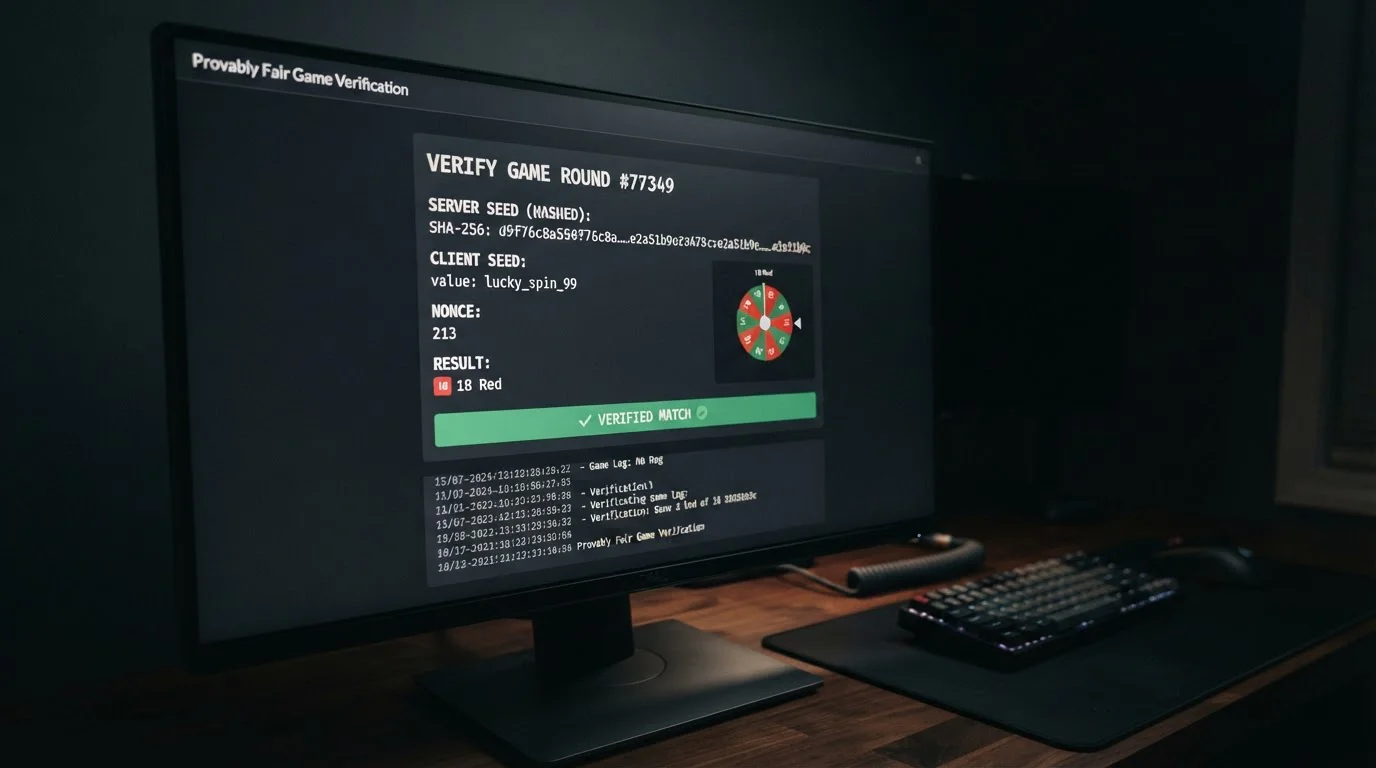
Provably fair games are the crypto-native addition. These are slots, dice, crash, plinko, and other simple mechanics where the RNG outcome is generated using seed strings you can verify independently via cryptographic hash. After each round, the casino publishes the server seed, client seed, and nonce, letting you reconstruct the result and confirm the outcome was not manipulated. BC.Game, TrustDice, Duelbits, and Vave all run provably fair originals, with Vave’s twelve in-house games sitting at a flat 99 per cent RTP, the highest in this cohort. Whether you bother verifying outcomes is another question. Most players do not. But the option exists, which it does not at UKGC sites or on third-party slots where you trust the provider’s RNG without visibility into how it works.
Live Dealer Tables
Live dealer games stream from studios in Latvia, Malta, Romania, and elsewhere, with Evolution Gaming dominating the supply side and Pragmatic Play Live running a distant second. Blackjack, roulette, and baccarat form the core, with game-show formats like Crazy Time and Monopoly Live adding variety. Bet limits at offshore casinos often run higher than UKGC sites, with VIP tables reaching five or six figures per hand for players who want that action. Standard tables start at 50p or £1 minimums.
Dogecoin casinos denominate live dealer bets in crypto, with the fiat equivalent displayed alongside for reference. A bet might show as 100 DOGE with £15.42 next to it based on current exchange rates. If the price of Dogecoin moves significantly during your session, your effective bet size in fiat terms shifts, which adds an extra layer of variance casual players might not notice until they review transaction logs later. For players who think in DOGE rather than pounds, that is fine. For players mentally tracking fiat losses, it can obscure how much is actually at stake.
Sportsbooks and Esports Betting
Most Dogecoin casinos integrate a sportsbook alongside their casino product, covering football, tennis, basketball, American sports, and esports. Vave specialises in football betting, offering over 3,000 markets on major European fixtures. Duelbits tilts toward esports, with League of Legends, CS:GO, Dota 2, and Valorant markets built out in more depth than competing offshore sites. Rollbit covers both traditional sports and esports comprehensively. Odds quality varies. None of these operators compete with Bet365 or Betfair on margin or liquidity, but for crypto bettors who want everything in one account, the sportsbook integration is convenient enough.
Betting with Dogecoin in a sportsbook introduces the same exchange-rate variance issue live dealer games have. If you place a bet at 500 DOGE when DOGE is worth ten pence, you have wagered £50 in fiat terms. If DOGE’s price moves ten per cent up before the bet settles, your effective stake became £55, and your payout scales accordingly. That cuts both ways. Price moves can amplify wins or losses in fiat terms even if your DOGE stack stays static.
Mobile Dogecoin Casinos and Minimum Deposits
Every offshore Dogecoin casino reviewed here runs mobile-optimised, meaning you can deposit, play, and withdraw from a phone browser without downloading a standalone app. BC.Game, Rollbit, TrustDice, and the rest all render correctly on iOS and Android, with game libraries loading via HTML5 rather than Flash or other deprecated plugins. A few operators offer dedicated apps available outside the Apple App Store or Google Play Store, distributed as direct APK downloads for Android, but the mobile browser experience works well enough that most players skip the app entirely.
Minimum deposits typically sit between £10 and £20 equivalent in Dogecoin, though some casinos publish no explicit floor. BC.Game and Rollbit both hover around that range. TrustDice and Cloudbet are similar. Lucky Block and Vave do not specify minimums publicly, which usually means they accept smaller deposits but might impose withdrawal minimums that trap micro balances. If you are testing a new casino with a small deposit, confirm the withdrawal minimum before you send funds. Depositing £10 is pointless if the minimum withdrawal is £20 and you cannot reach that threshold without winning enough to double your balance first.
Network fees on Dogecoin are negligible enough that even small deposits make sense from a cost perspective. Sending £10 worth of DOGE costs a fraction of a penny in fees, far less than a card deposit might incur in processing charges or currency conversion. For players who want to test a casino with minimal risk before committing larger sums, Dogecoin’s low fee structure is one of its best features.
Alternatives to Dogecoin Casinos for UK Players
If offshore casinos and their regulatory gaps do not align with how you manage risk, you have two alternative routes. The first is other cryptocurrencies at the same offshore operators. The second is staying within the UKGC system entirely and giving up direct crypto deposits in exchange for the protections that system provides.
Other Cryptocurrencies (Bitcoin, Litecoin, Ethereum)
Every offshore casino that accepts Dogecoin accepts Bitcoin, and most also take Litecoin, Ethereum, USDT, and a rotating selection of altcoins. Bitcoin moves slower than DOGE, with ten-minute average block times and network fees that vary wildly depending on congestion, sometimes spiking to several pounds per transaction during high-traffic periods. That makes Bitcoin less practical for small deposits but still dominant for larger sums where fee percentages matter less. Litecoin sits between Dogecoin and Bitcoin on speed and fees, confirming in roughly 2.5 minutes with fees slightly higher than DOGE but lower than Bitcoin. Ethereum is faster than Bitcoin but more expensive, with gas fees that can hit double digits during network congestion.
Stablecoins like USDT and USDC eliminate the exchange-rate variance issue entirely, since they peg one-to-one with the US dollar. If you want the speed and privacy of crypto without watching your balance fluctuate with coin prices, stablecoins are the cleanest option. Most offshore casinos accept both Tether (USDT) and USD Coin (USDC) across multiple chains: Ethereum, TRON, BNB Smart Chain, and others. TRON-based USDT transfers are particularly fast and cheap, often clearing in under a minute with fees under ten pence.
Switching coins does not change the regulatory picture. A stablecoin deposit at an offshore casino still sits outside UKGC jurisdiction, still lacks consumer protections, and still relies on trusting the operator to honour its terms. The coin is a payment rail, not a safety mechanism.
UKGC Sites with Crypto-Funded E-Wallets
The only way to gamble at a UKGC-licensed site using crypto is indirect. You buy Bitcoin, Ethereum, or another coin on an exchange, transfer it to an e-wallet like Skrill or Neteller that accepts crypto funding, convert it to pounds or euros within the e-wallet, then deposit from the e-wallet to the casino. The casino sees a standard Skrill or Neteller deposit, not a crypto transaction, so the payment method meets LCCP requirements even though you funded it with crypto off-platform.
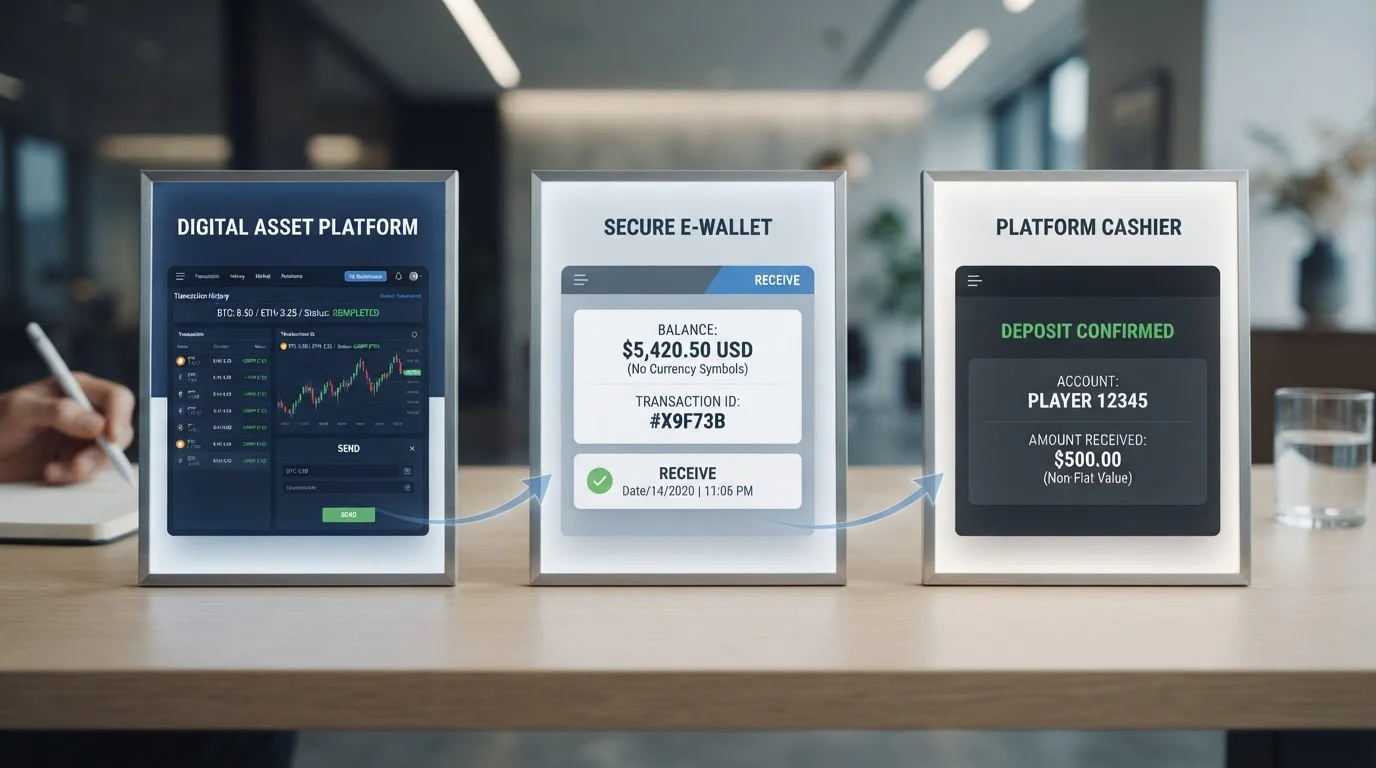
This adds friction and fees. Buying crypto on an exchange incurs trading fees. Transferring it to Skrill or Neteller incurs network fees. Converting crypto to fiat within the e-wallet incurs exchange-rate spreads and sometimes additional fees. Depositing from the e-wallet to the casino might incur processing fees depending on the operator’s terms. By the time your crypto becomes casino balance, you have paid multiple layers of charges and waited through multiple processing steps, losing much of the speed and cost advantage that made crypto appealing in the first place.
The benefit is you stay inside the UKGC system. The operator must tell you how well your deposits are protected. If the casino disputes a payout, you can escalate through its complaints process and then to an approved ADR provider. GAMSTOP works if you need it. You trade convenience and cost for regulatory safety, which is the same trade-off offshore versus UKGC always boils down to, just executed through an intermediary e-wallet layer.
Are Dogecoin Casino Winnings Taxed in the UK?
No. Gambling winnings are not subject to income tax or capital gains tax, whether you win at a UKGC-licensed site or an offshore Dogecoin casino. The tax liability sits with the operator, not the player. If you win £10,000 in Dogecoin and withdraw it, HMRC does not treat it as taxable income.
The only tax consideration arises if you hold the Dogecoin long enough for its value to appreciate significantly before converting to fiat. At that point, capital gains tax might apply to the increase in value between when you received the DOGE as winnings and when you sold it, but that is a separate transaction from the gambling itself. For most players who cash out immediately or within a short window, the capital gains element is negligible. Gambling itself remains tax-free.
What Are the Alternatives if I Don’t Want to Use Offshore Dogecoin Casinos?
To avoid offshore casinos entirely, use UKGC-licensed sites funded by traditional methods (cards, bank transfers, e-wallets), or UKGC sites funded indirectly by converting crypto to fiat in an e-wallet like Skrill before depositing. Both keep you inside the UKGC framework and its protections, but neither allows direct on-chain crypto deposits or offshore speed.
Responsible Gambling at Offshore Casinos
Offshore casinos strip away the external controls UKGC sites build into their platforms. There is no GAMSTOP to lock you out. No regulator monitoring your deposits and flagging patterns of harm. No mandatory timeout features or loss limits enforced across multiple operators. You are relying entirely on your own judgement and self-discipline, which works fine until it does not.
Some offshore operators offer voluntary self-exclusion tools, deposit limits, and session reminders within their own platforms, but these are self-imposed and easily circumvented by simply registering at a different site. There is no central database linking offshore casinos the way GAMSTOP links UKGC operators, so excluding yourself from BC.Game does nothing to stop you opening an account at Rollbit or TrustDice an hour later. If you have a history of chasing losses, depositing more than you can afford, or using gambling as a coping mechanism for stress or boredom, offshore casinos are structurally more dangerous than UKGC sites because they lack the friction that slows you down when judgement fails.
If you choose to gamble offshore, set your own limits before you deposit. Decide how much you can afford to lose in a session or a month, and stick to it regardless of whether you are up or down. Use a separate wallet for gambling that never holds more than your predetermined limit, so you cannot chase losses by topping up impulsively. Avoid depositing from an exchange where funds are one click away. Making access fractionally harder reduces the likelihood of tilt deposits that exceed your original budget.

If you recognise that your gambling has crossed from entertainment into harm, offshore casinos are not the place to be. Self-exclusion only works if you commit to it, and without a central system enforcing that commitment across all operators, you are one registration away from bypassing your own decision. GAMSTOP, for all its imperfections, is more effective at keeping you out than anything you can do by willpower alone at an offshore site. If you need help, contact the National Gambling Helpline at 0808 8020 133, which operates 24/7 and offers confidential support regardless of where you gamble. GamCare, BeGambleAware, and Gamblers Anonymous all provide free resources and support networks. None of them care whether you lost your money at a UKGC site or an offshore casino. The help exists either way.
Can I Use a VPN to Access Dogecoin Casinos from the UK?
There is no good reason to. The offshore Dogecoin casinos here all accept UK players openly, so a VPN adds nothing and can complicate support if the casino detects it and flags your account. Some operators allow VPNs in their terms; others ban them, and a few close accounts caught using one to bypass geo-restrictions.
Using a VPN to get around a block, an ISP filter or a self-exclusion tool removes a safeguard rather than adding one. If you are using one to bypass a block because you are in a restricted jurisdiction listed in the terms, you risk account closure and forfeited balances if detected. UK players do not face that risk at the casinos reviewed here, so the VPN question only becomes relevant if you travel to a restricted country and want to access your account while abroad. In that case, check the operator’s terms first.
New Dogecoin Casinos: Worth the Risk?
New Dogecoin casinos launch regularly, most of them clones of existing platforms with rebranded interfaces and recycled game libraries. A handful bring genuinely new features: better mobile apps, tighter integration with DeFi protocols, or novel gamification layers. The vast majority are not worth your time. An untested operator with no track record and a suspiciously generous bonus structure is more likely to be an exit scam in waiting than the next BC.Game. If you want to try a new site, deposit small amounts you can afford to lose entirely, withdraw winnings immediately to test processing speed and KYC requirements, and watch for red flags like delayed payouts, unresponsive support, or terms that change retroactively.
Established operators like Cloudbet have been paying players since 2013. TrustDice and Duelbits have multi-year track records. BC.Game and Rollbit, despite their recent licence migrations and Rollbit’s baggage, have processed billions in volume without collapsing. New entrants need to prove themselves over time before they earn the same trust, and most never do. If the choice is between a casino with a five-year operational history and one that launched last month, the older option is almost always safer.
Crypto Casinos UK 2026 — Bitcoin Cash, Solana, XRP and More
Content created by the «casinopayoptions-uk.com» team